The Winter Heroes: Designing for the Fifth Season
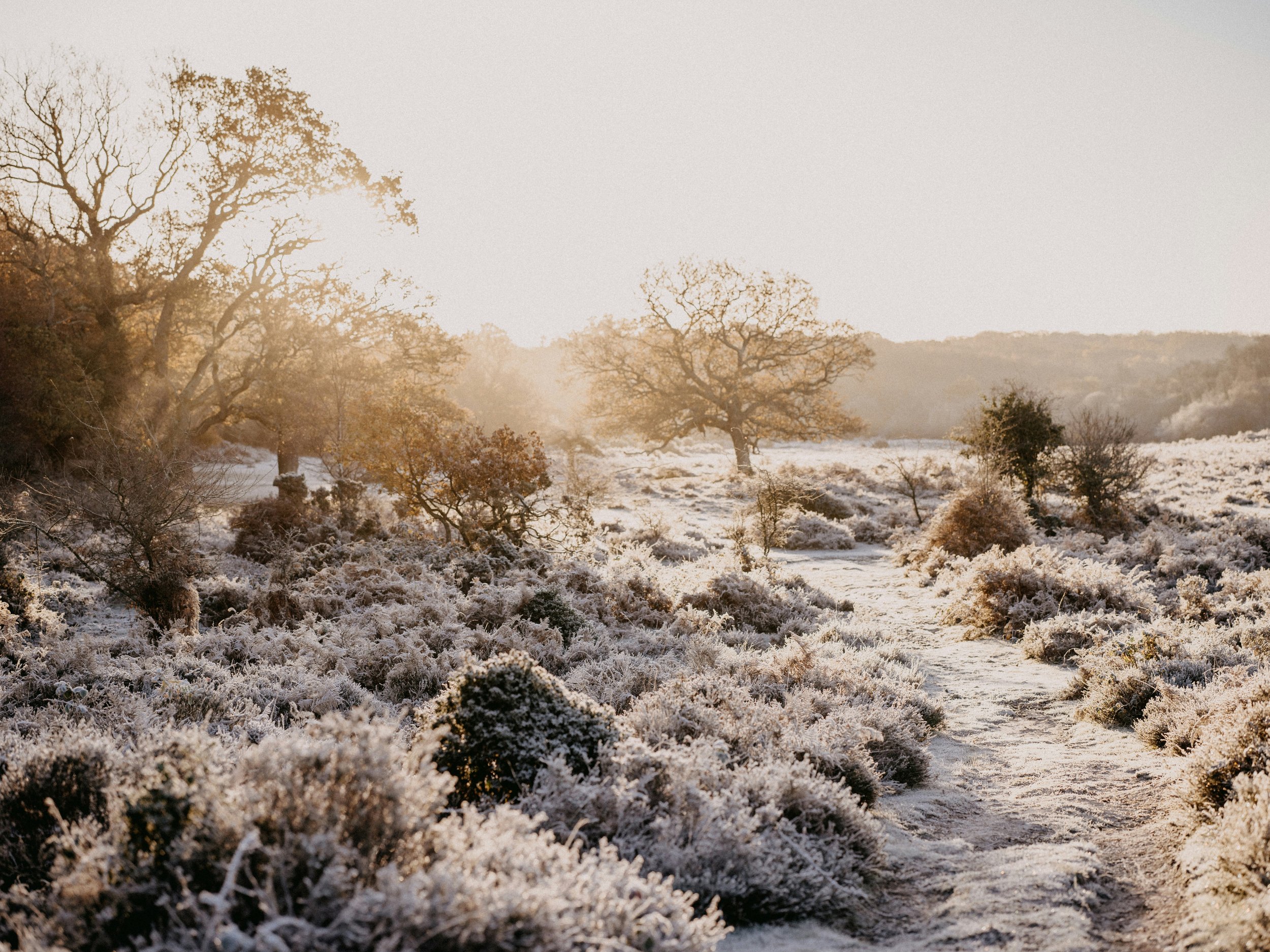
At Williston H&D, we don’t think a garden should just vanish the moment the temperature drops. When we’re mapping out a masterplan, we aren't just chasing summer color; we are designing for year-round performance.
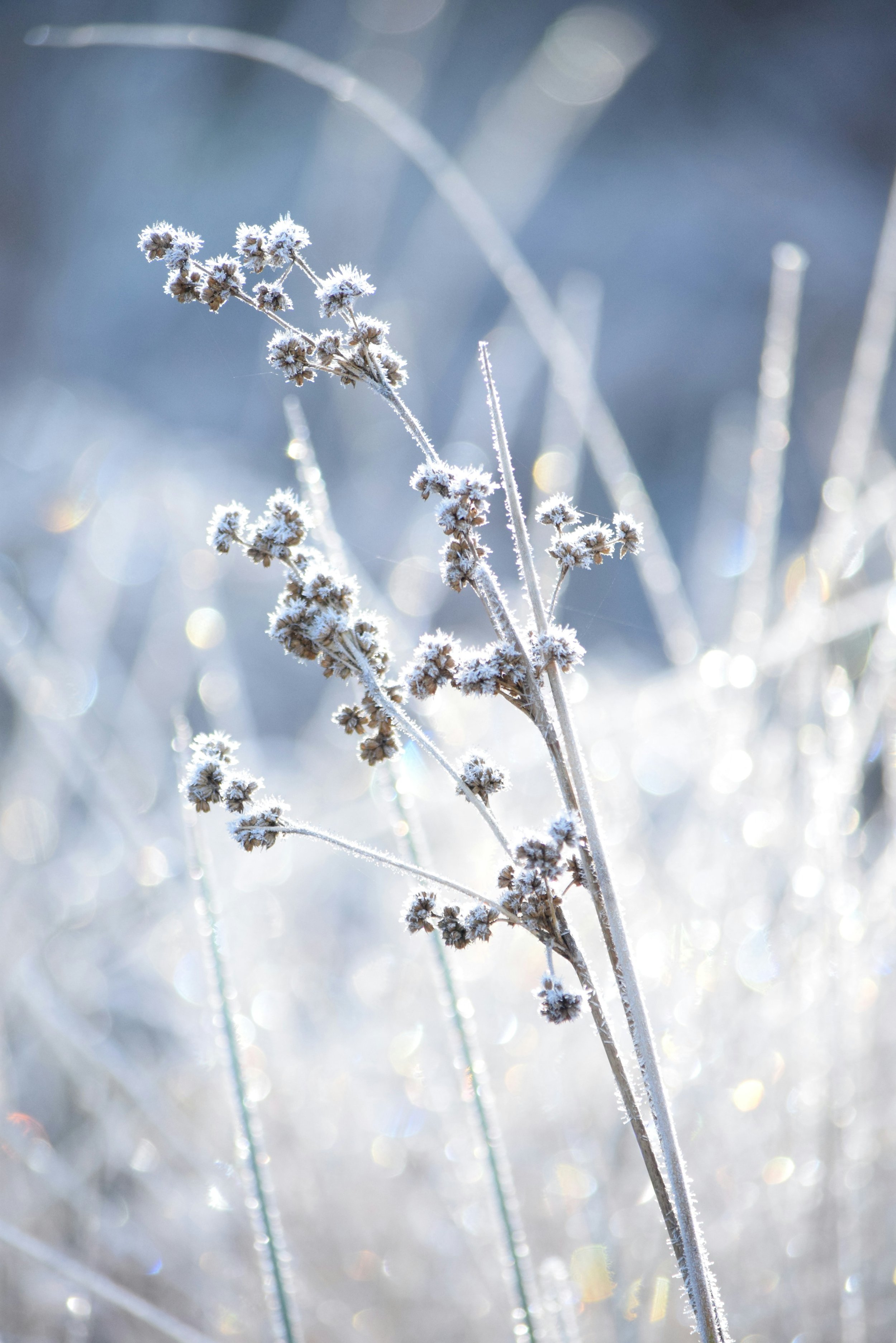
To achieve this, we prioritize species that hold their seeds and possess strong, woody stems known to resist dying back to the ground prematurely. These selective species ensure that even in the depths of January, your garden maintains its architectural silhouette while providing a vital lifeline of food and shelter for local wildlife.
These are the unsung heroes of a resilient, beautiful winter garden.
The Seed-Bearers: Nature’s Cold-Weather Birdfeeders
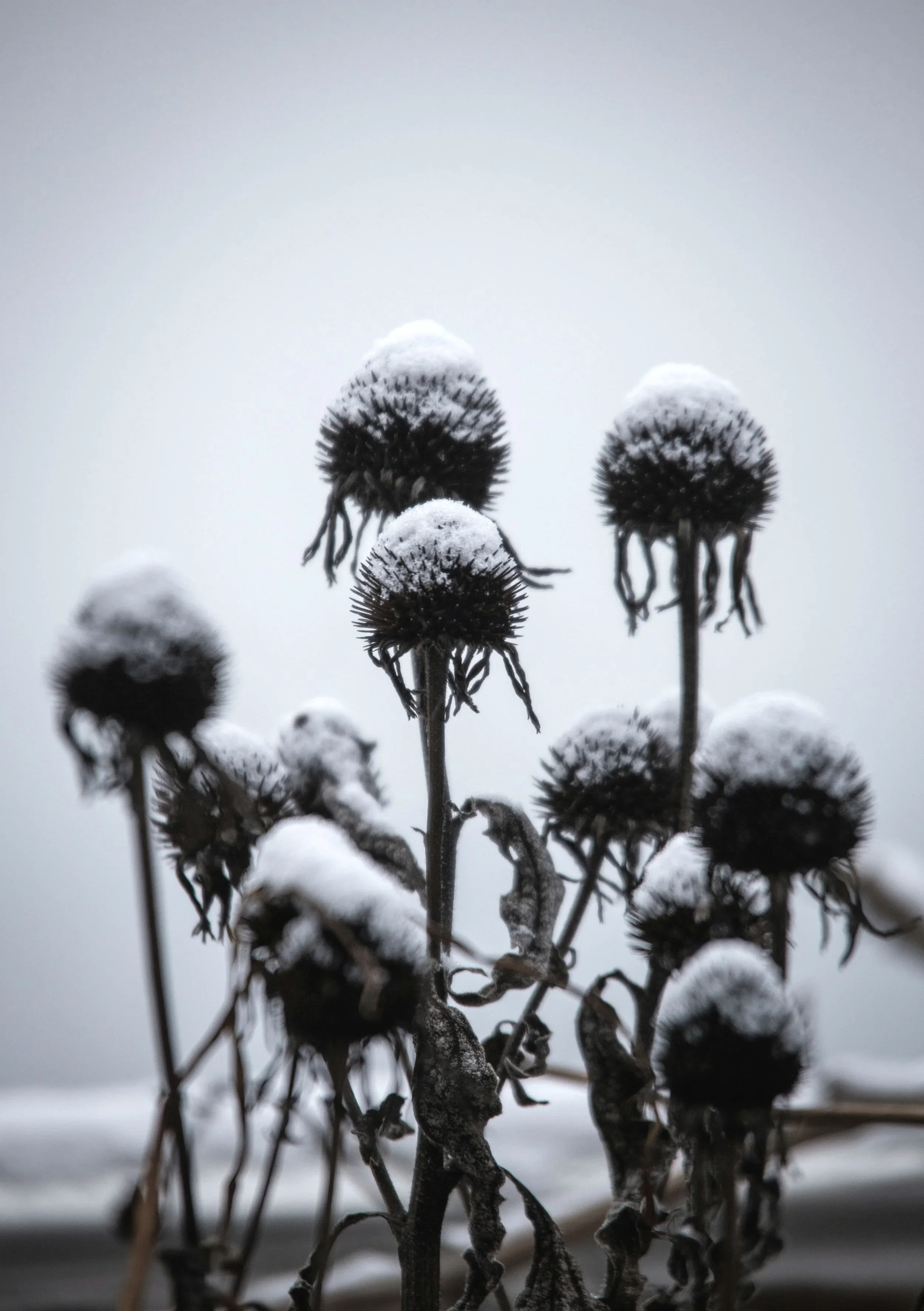
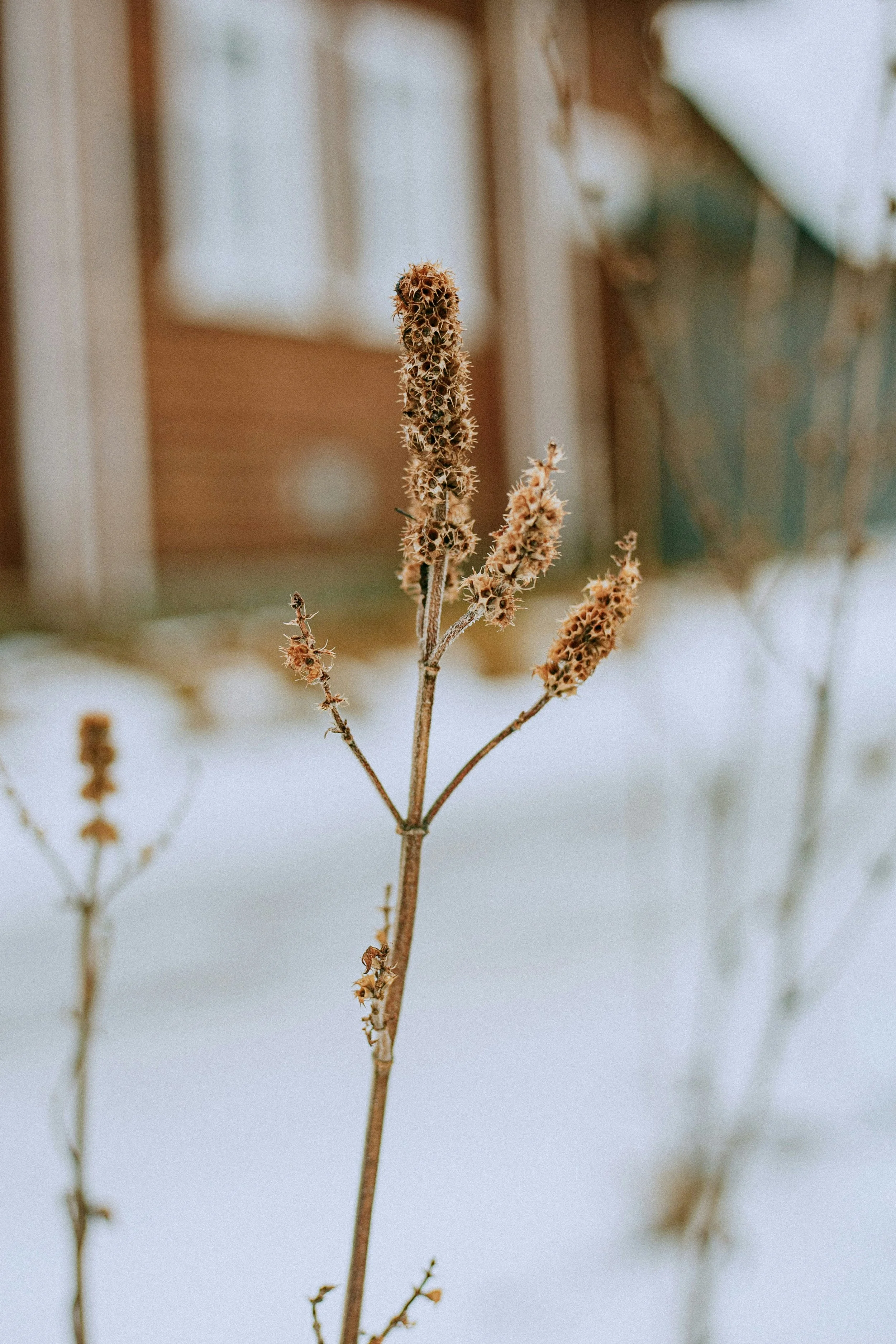
These species keep their seed heads high, serving up dinner for birds when everything else is buried. They add texture to the yard, especially when they’re caught in a layer of ice.
Purple Coneflower (Echinacea purpurea): Everyone loves the summer flowers, but those dark, spiky cones stay rigid all winter. Goldfinches count on them for a steady food source.
Black-eyed Susan (Rudbeckia fulgida): The tough, dark centers of this favorite provide a sharp, graphic look against the white snow.
Anise Hyssop (Agastache foeniculum): Its dried, upright spikes stay tall and look sharp long after the purple flowers are gone.

The Stem-Dwellers: Where Bees Spend the Winter
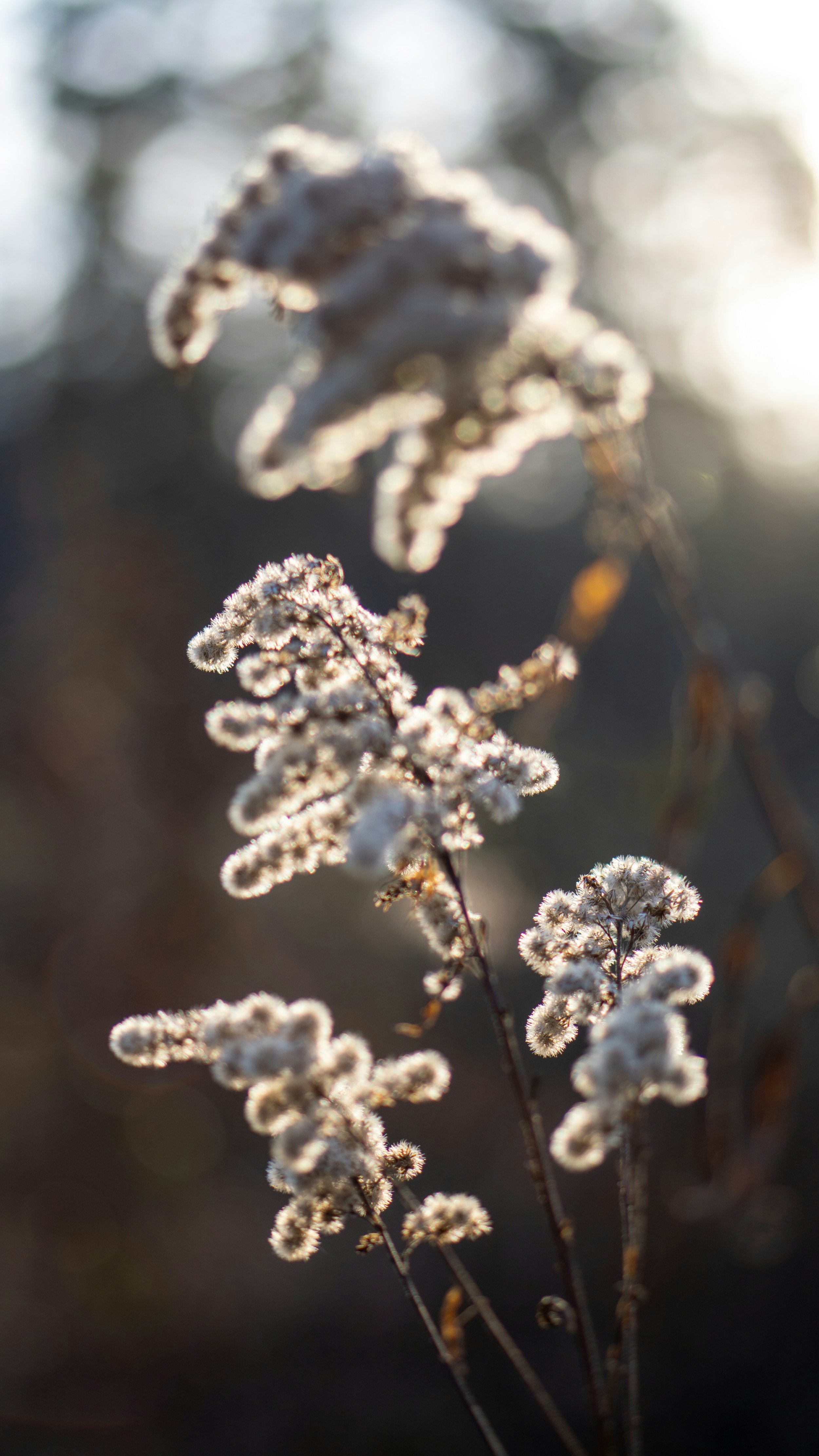
A lot of our native pollinators don't live in big hives. They spend the winter as larvae tucked inside hollow plant stems. If you cut your garden back too early, you're throwing away next year's bees. Keeping these stems intact is one of the best things you can do for local biodiversity and ecological resilience.
Wild Bergamot (Monarda fistulosa): This plant has globe-shaped flower heads that sit on hollow, sturdy stems. They’re prime real estate for native bees looking for a spot to hunker down.
Mountain Mint (Pycnanthemum muticum): A hardy native with strong, square stems. The button-like seed heads stay structurally sound even when the garden is dormant.
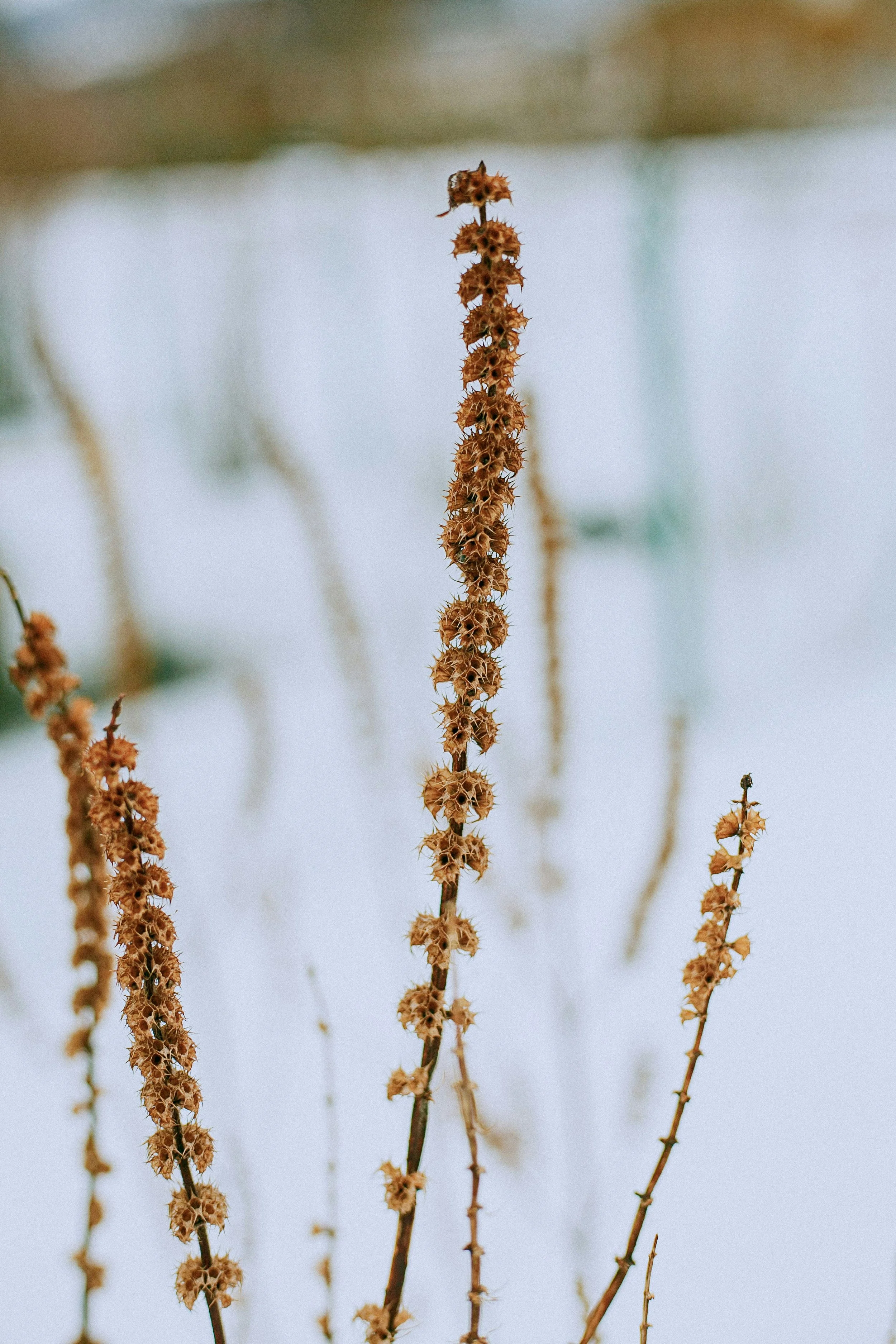
Culver’s Root (Veronicastrum virginicum): These candelabra-like spikes dry into dark vertical lines. The hollow stems are perfect for tunnel-nesting pollinators.
The Anchors: Keeping the Garden From Looking Flat
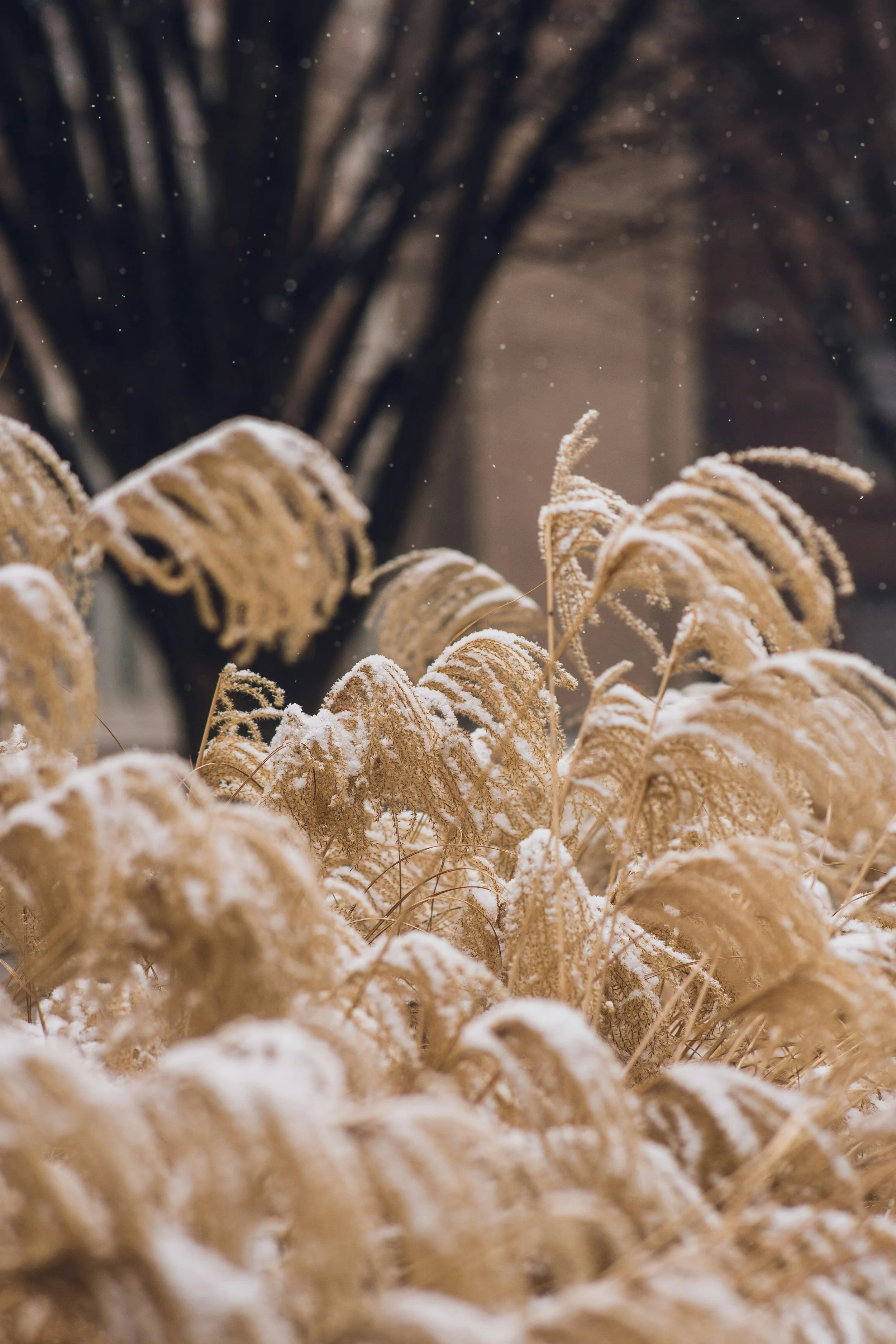
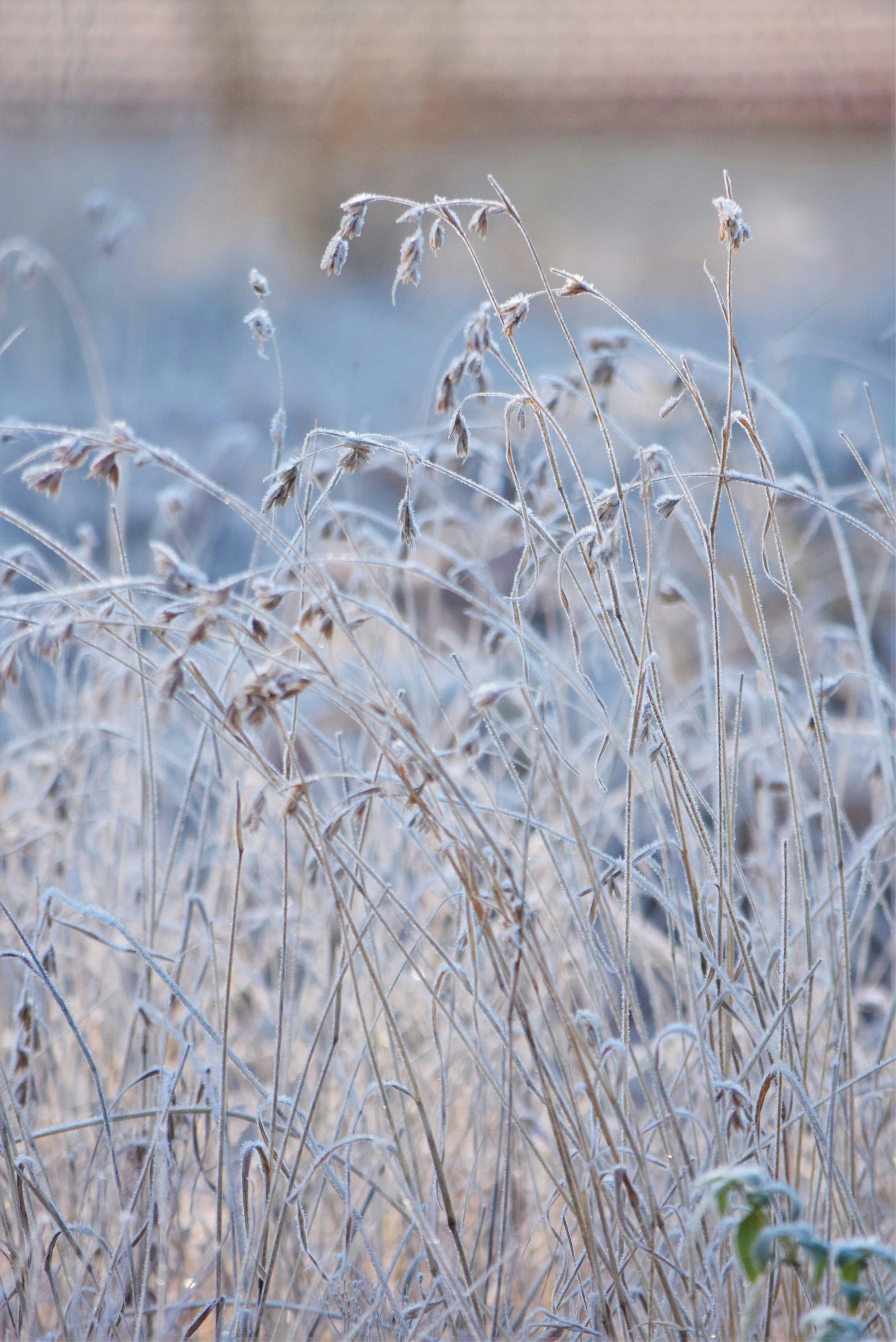
These plants act as "frost-catchers." They grab onto ice and snow to highlight the details of the season. They give your garden dimension and keep your yard from getting lost in a of snow.
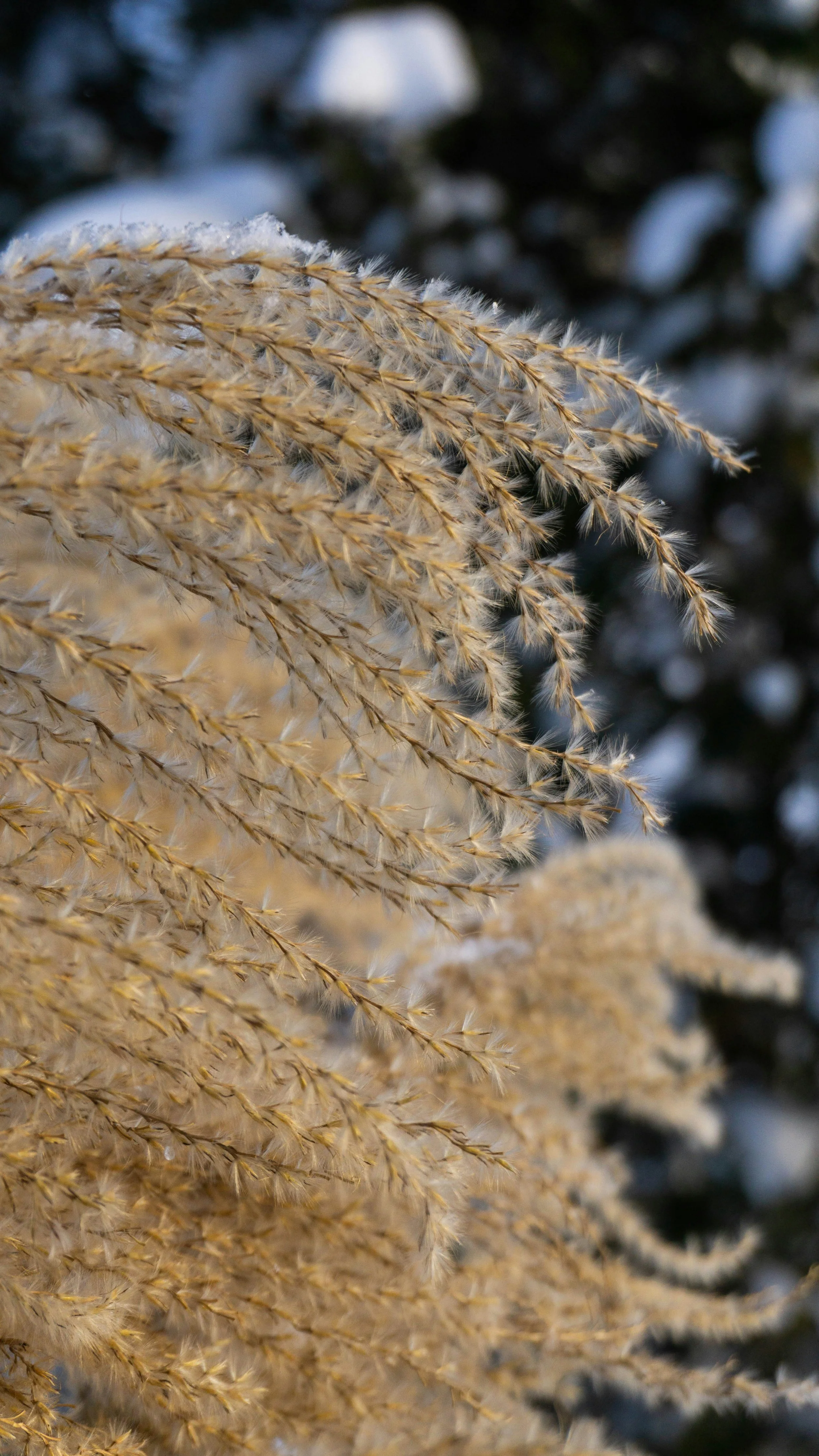
Switchgrass (Panicum virgatum): This native grass has airy seed heads that catch the light. Its vertical shape keeps the garden looking structured even in the cold.
Prairie Dropseed (Sporobolus heterolepis): This grass creates a soft, golden mound. In mid-winter, it looks like a "snow-covered pillow" in the middle of your border.
'Blonde Ambition' Blue Grama Grass (Bouteloua gracilis): This one is unique. It has horizontal seed heads that look like tiny golden eyelashes, creating a cool silhouette against the sky.
The Evergreen Foundation: The Year-Round Bones
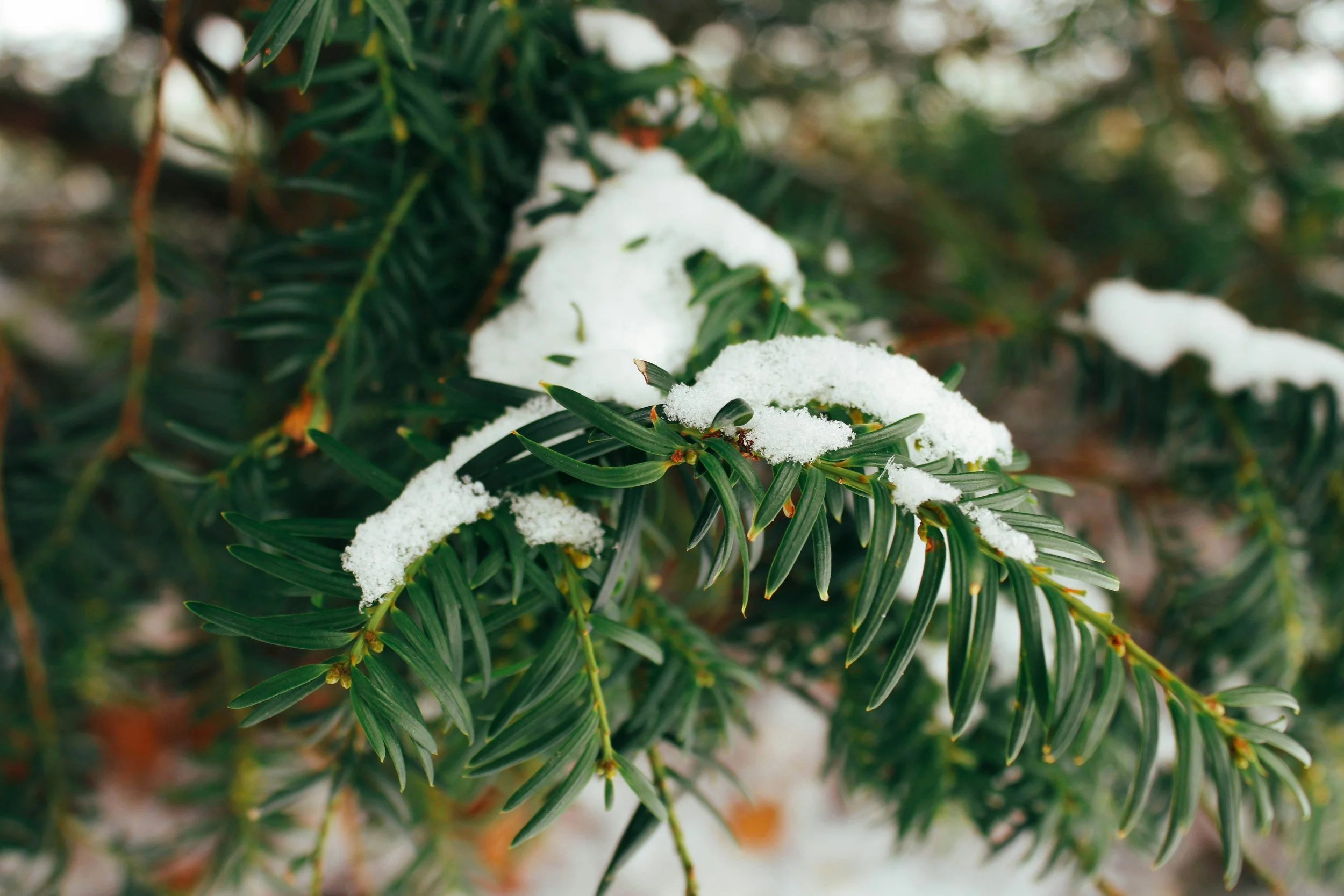
Evergreens are the baseline. They hold the whole design together when the deciduous plants have shed their leaves, providing color and a place for birds to get out of the wind.
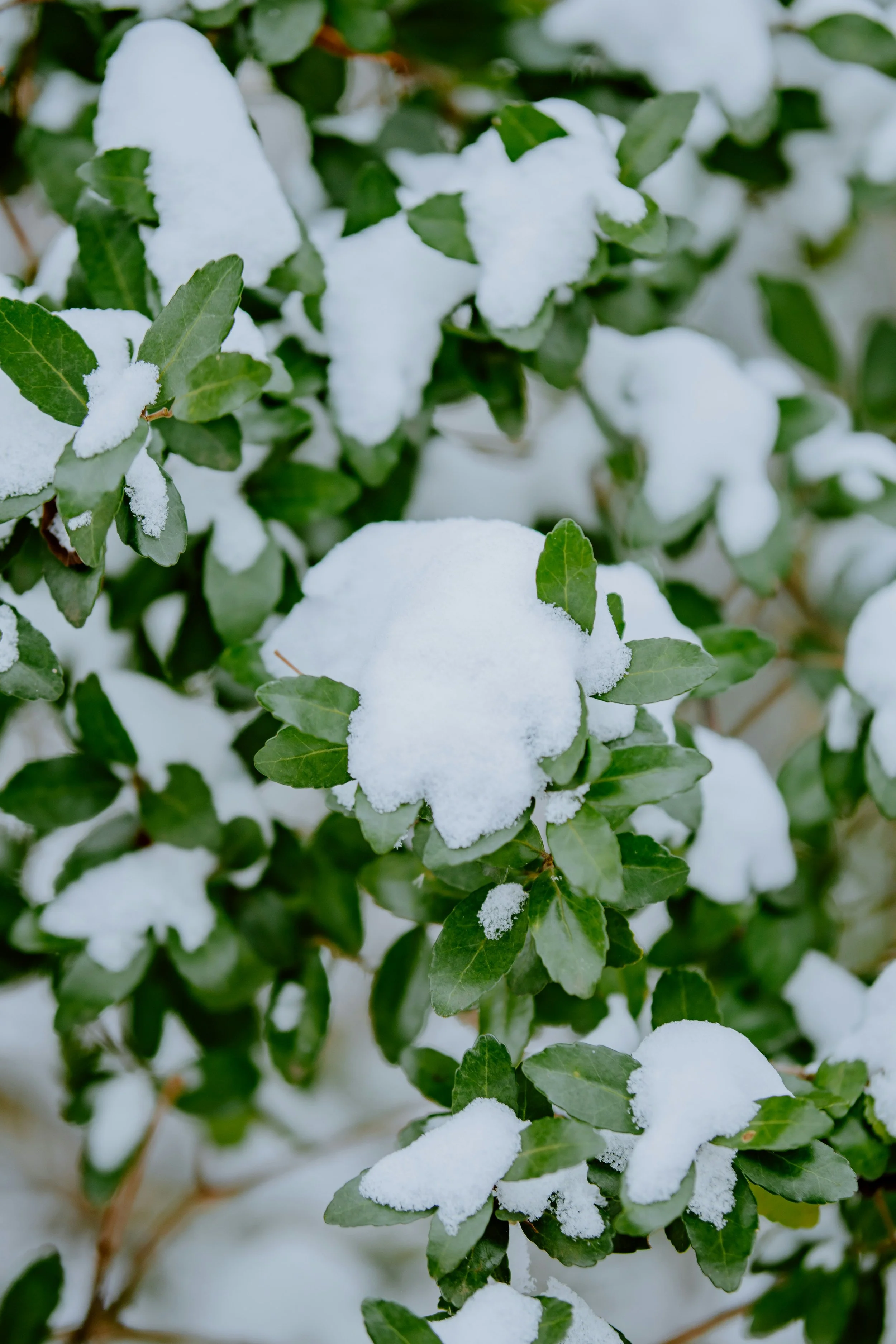
Inkberry Holly (Ilex glabra): A native evergreen that gives you structure all year. Some versions can even mimic the tight, rounded look of formal boxwood.
Boxwood (Buxus): A classic for a reason. It provides the crisp, architectural lines needed to hold a garden's formal shape during deep dormancy.
Eastern Hemlock (Tsuga canadensis): Your namesake tree provides a magnificent, fine-textured dark green backdrop. Its graceful, drooping branches offer essential shelter for birds and small mammals, creating a sense of depth and permanence.

A resilient winter garden isn't a happy accident; it’s a deliberate calculation of form and function. At Williston H&D, we believe your landscape is an investment that should pay aesthetic and ecological dividends 365 days a year. By prioritizing the Fifth Season in our masterplans, we ensure that when the vibrant colors of summer fade, the sophisticated architectural skeleton of your estate remains. Your garden doesn't need to quit in December—it just needs a design that takes into consideration all five seasons.
If you're starting to think about how your own landscape could perform more beautifully through winter, this is the perfect time to plan ahead. Reach out and we’ll help you map out a design that works year-round.