Soil to Stem: The Williston Philosophy
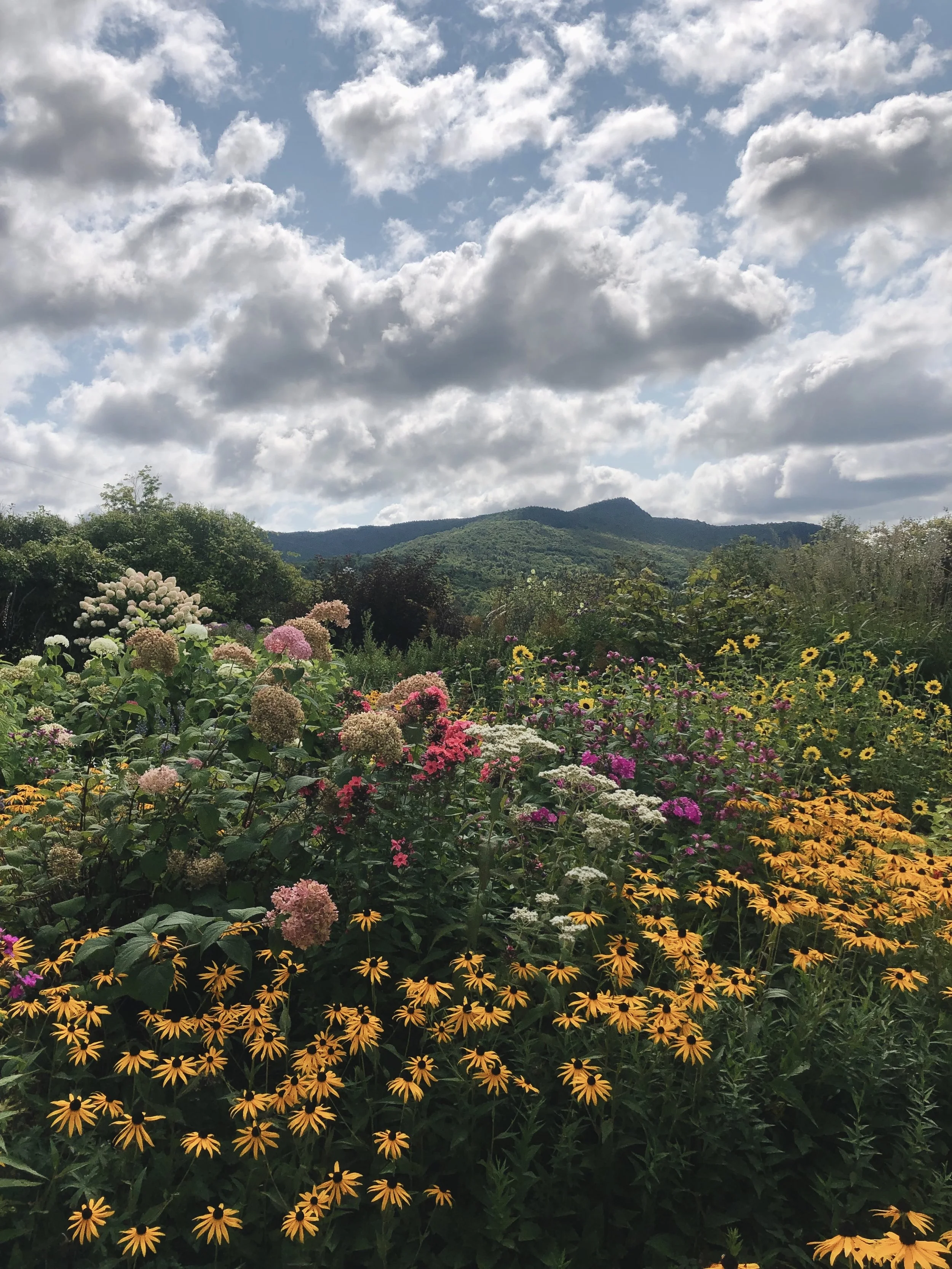
In the world of high-end landscape design, it’s easy to get swept up in surface-level beauty. We are often distracted by the after photo: the blooming hydrangeas, the perfectly placed fieldstone, or the way the twilight catches a birch tree.
But for Sarah Williston, founder of Williston Horticulture & Design, a truly stunning landscape isn’t something you simply place on the land. It’s something you grow from it. At the heart of her work is a science-led landscape design approach she calls Soil to Stem. It’s a philosophy that connects artistic vision with clinical precision, ensuring that New England’s most beautiful properties are as resilient as they are beautiful.
Why "Soil to Stem"?
Traditional landscaping often prioritizes the nursery trip over the long-term health of the land. Sarah, an alumna of the University of Vermont’s Sustainable Landscape Horticulture program, developed the Soil to Stem approach to bridge a common industry gap: high-cost, high-maintenance designs that look stunning on day one but require constant life support to survive the ever-changing New England climate swings.
"The landscape is only as beautiful as it is healthy." — Sarah Williston
By shifting the focus to the biology beneath our feet, our designs replace chemical interventions and heavy irrigation with a resilient, self-sustaining foundation. We don’t just design landscapes to survive; we build ecosystems that thrive and evolve.
Phase 1: The Soil – The Clinical Foundation
Before a single plant is selected, Sarah acts as a land detective. This phase is about gathering data from the land through a rigorous site analysis. By getting the biology right from the start, the landscape will gain natural immunity, leading to deeper roots, reduced irrigation needs, and the elimination of harsh chemical fertilizers.
Microclimate Mapping: No two properties are the same. We identify the specific personalities of your land. Noting where cold air settles in frost pockets, where prevailing winds might desiccate foliage, and where the summer sun hits with the most intensity. By mapping these zones, we ensure the design works with the natural flow of your microclimate rather than forcing a plant to survive in a spot it wasn't built for.
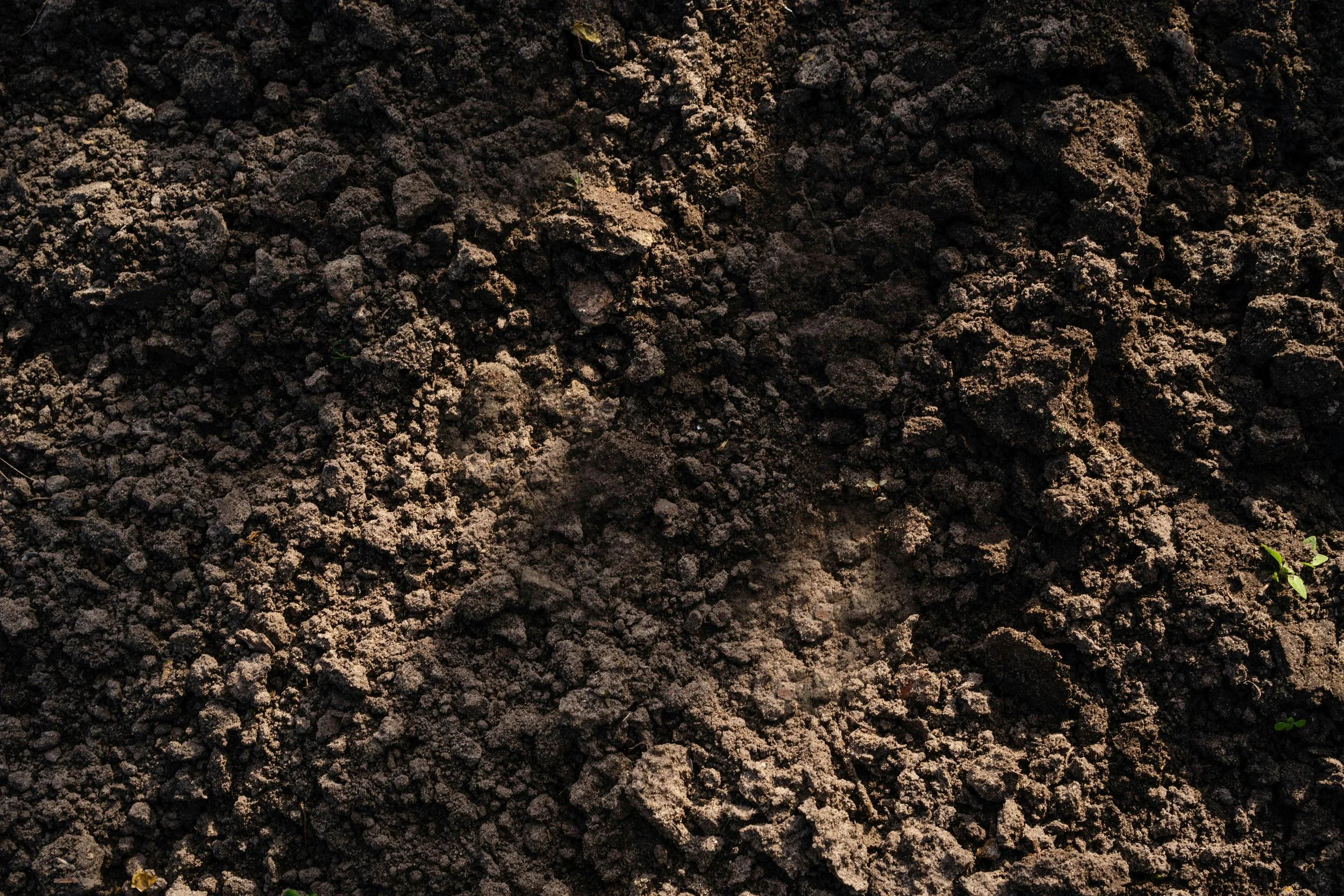
Soil Chemistry & Biology: We look past the surface to analyze what is actually happening underground. We test nutrient availability, pH levels, and soil structure. Whether your property sits on heavy, compacted clay that traps water or thin, rocky mountain soil that drains too quickly, we identify the exact biological profile of your earth. This allows us to amend the soil naturally or select a plant palette that views your more difficult soil as its ideal habitat.
Ecological Integrity: We analyze the land as a living system. We study the existing hydrology, how water moves across the site during heavy rains or spring snowmelt to prevent erosion and runoff. We also assess native insect and pollinator populations. By understanding the local residents of your ecosystem, we can design a space that supports and enhances the natural biodiversity of the region rather than disrupting it with invasive or incompatible choices.
Phase 2: The Stem – The Artistic Vision
With the groundwork established, we move into the phase of high-end curation. This is where Sarah’s artistic eye translates soil data into a living aesthetic, selecting species that are not just visually striking, but biologically destined to flourish in your property’s specific conditions.
Right Plant, Right Place: By prioritizing the ground first, we select a plant palette designed to thrive in your property's exact conditions, meaning far less human intervention, fewer pesticides, and minimal supplemental watering. This process isn't random; it is a meticulous matching of a plant’s biological needs to your land's specific soil chemistry, sunlight exposure, and drainage patterns.
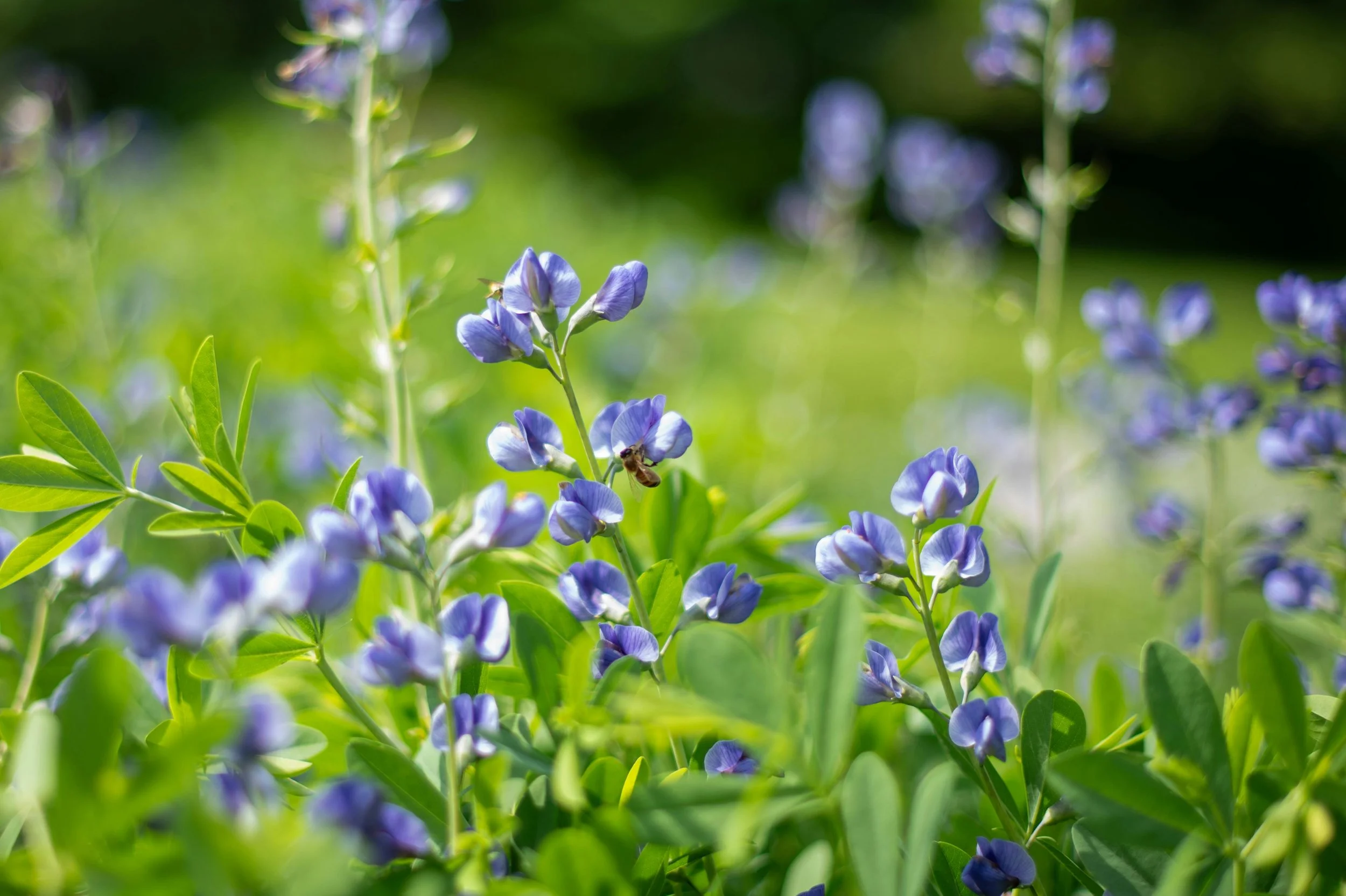
Prioritizing Native Powerhouses: We lean heavily into native species whenever possible. These plants have spent thousands of years adapting to our specific climate, soil types, and pests. By using a natives-first approach, we ensure your landscape provides a critical sanctuary for local pollinators and wildlife, all while requiring fewer resources to maintain.
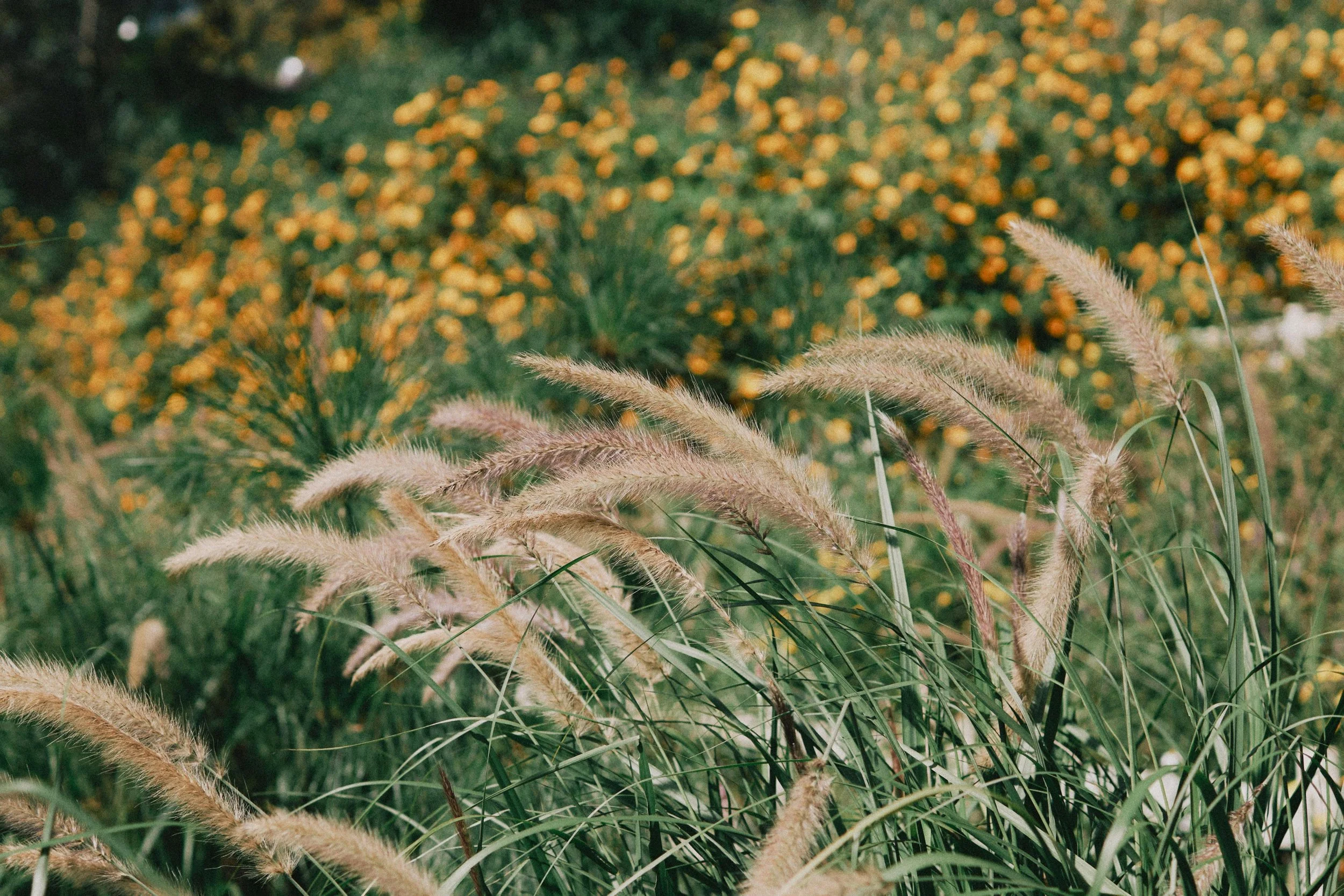
Integrating Beneficial Ornamentals: To create a truly sophisticated, year-round aesthetic, we pair our natives with hardy, beneficial ornamental species. These are carefully vetted, non-invasive plants chosen for their exceptional structural beauty, extended flowering seasons, or unique textures.
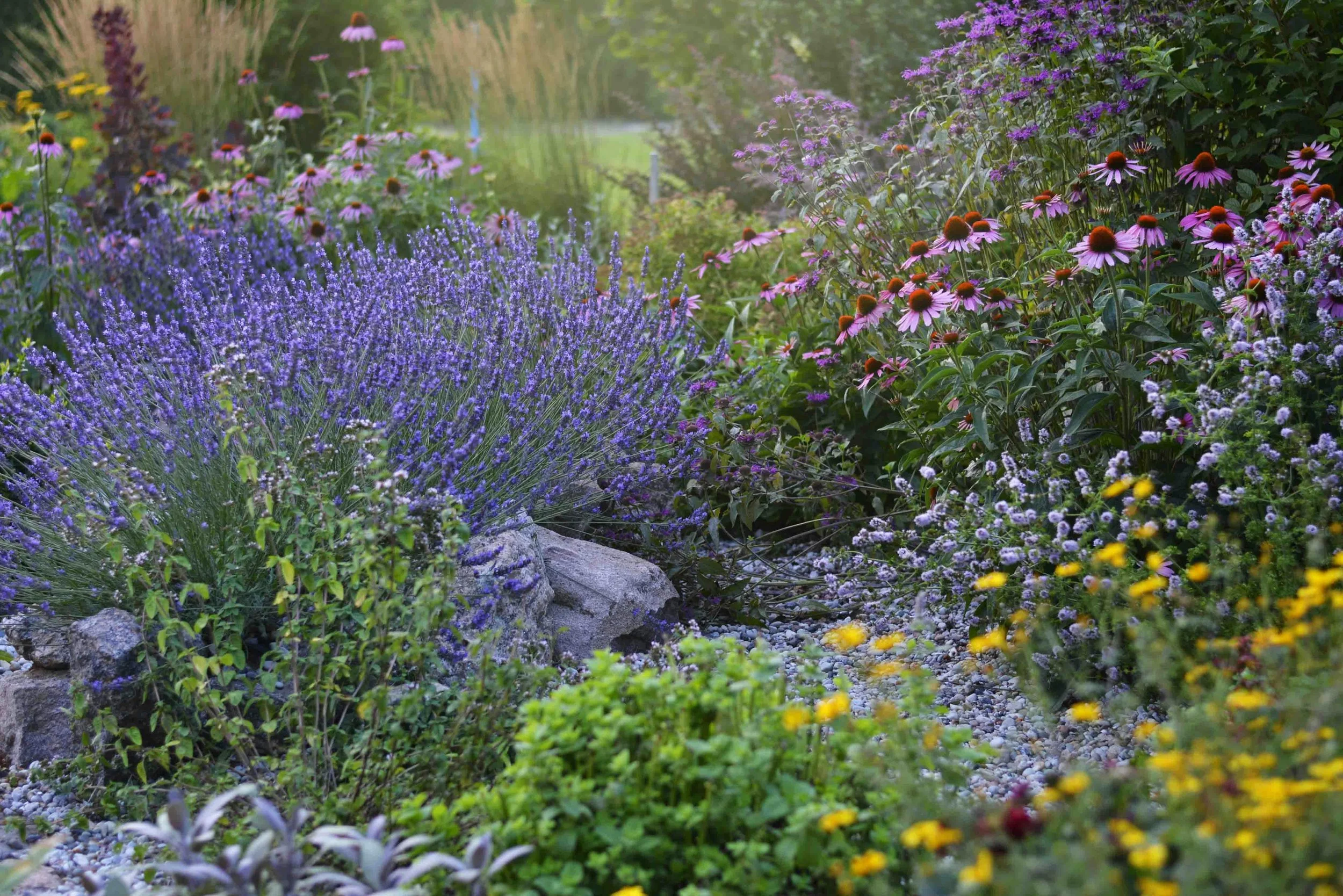
The Best of Both Worlds: This hybrid approach allows us to design for maximum resilience. While the natives anchor the property to the local ecology, the beneficial ornamentals add that layer of refined, "curated" beauty that defines a luxury property. The result is a diverse, climate-fit palette where every plant has a purpose and a place.
Why It Matters to Your Property
So, why should a homeowner care about Soil to Stem?
It’s about resilience. A garden built on this philosophy is a living investment. It doesn't just look good on day one; it gets more interesting and easier to manage with every passing year. Because the plants are actually happy in their environment, they grow stronger, resist pests better, and require less of your time to maintain.
Beyond being lower in maintenance, it’s about creating a curated landscape that feels like it has always been there. It’s the difference between a yard that looks like it was dropped in from a catalog and a landscape that feels like a natural extension of your surrounding landscape.
Building Your Vermont Story
Based in Waitsfield, Williston Horticulture & Design is redefining luxury landscaping in the Green Mountains. Sarah’s philosophy reminds us that we aren't just owners of the land, we're stewards of it.
If you’re ready to move beyond the surface and build a landscape that is restorative and deeply rooted, explore what’s possible for your property.