The Art of the "Un-Tidying": Giving Back to the Land That Gives to Us
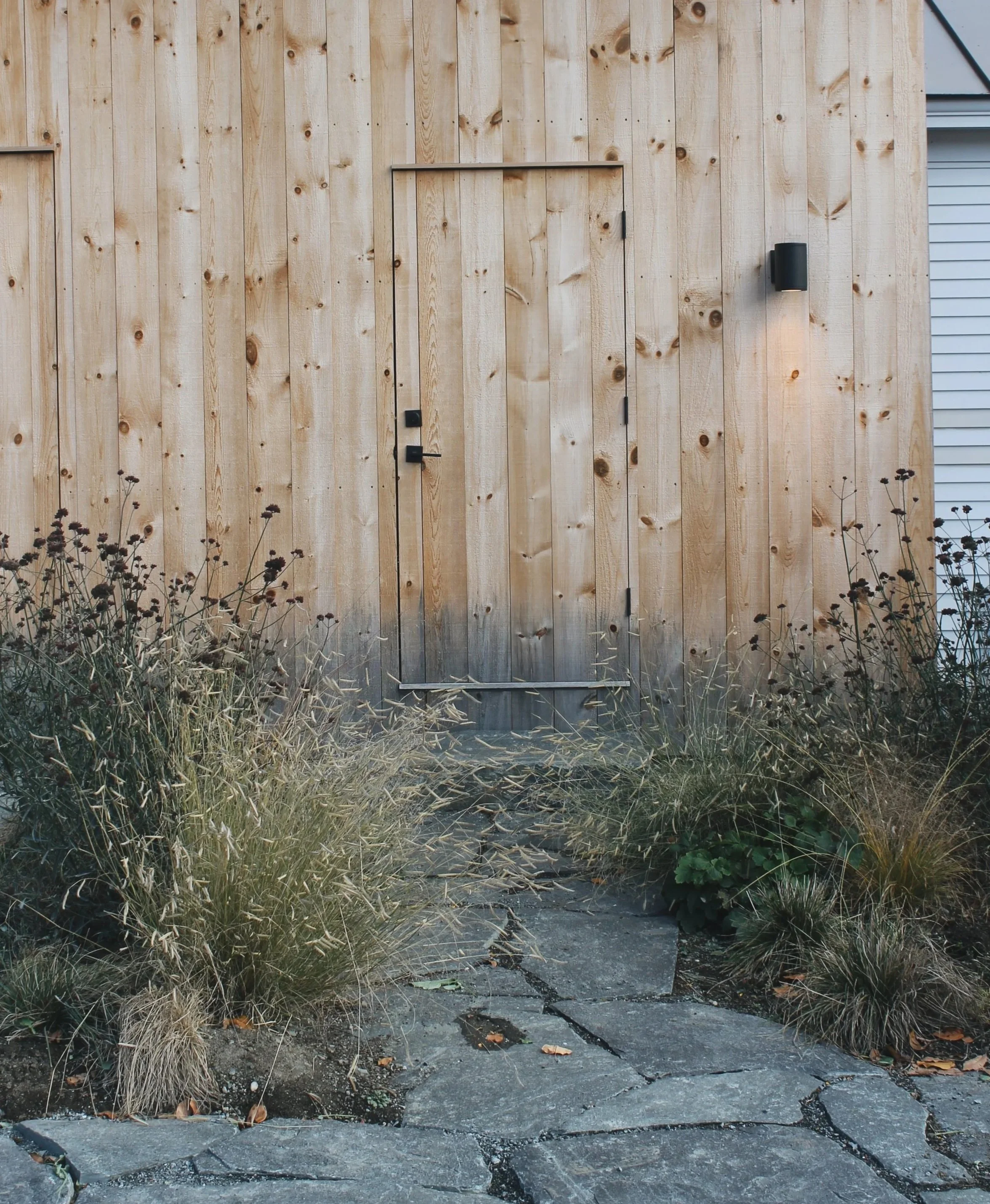
For generations, many of us were taught that a tidy garden was a sign of a job well done. Every year when fall came around we would rake up every last leaf and cut down all the plants Leaving the ground empty and barren until spring rolled around again. But at Williston Horticulture & Design, we see autumn landscapes through a different lens.
In a sustainable garden, what some call yard waste is really just nature doing its thing. By stepping back and letting things be, you are not just saving time, you are actually protecting our local ecosystem. When we embrace the "Un-Tidying" we are putting life first. This gentle shift in how we look at our yards turns them into winter sanctuaries for our most beneficial insects.
The Why: Building A Winter Life-Support System
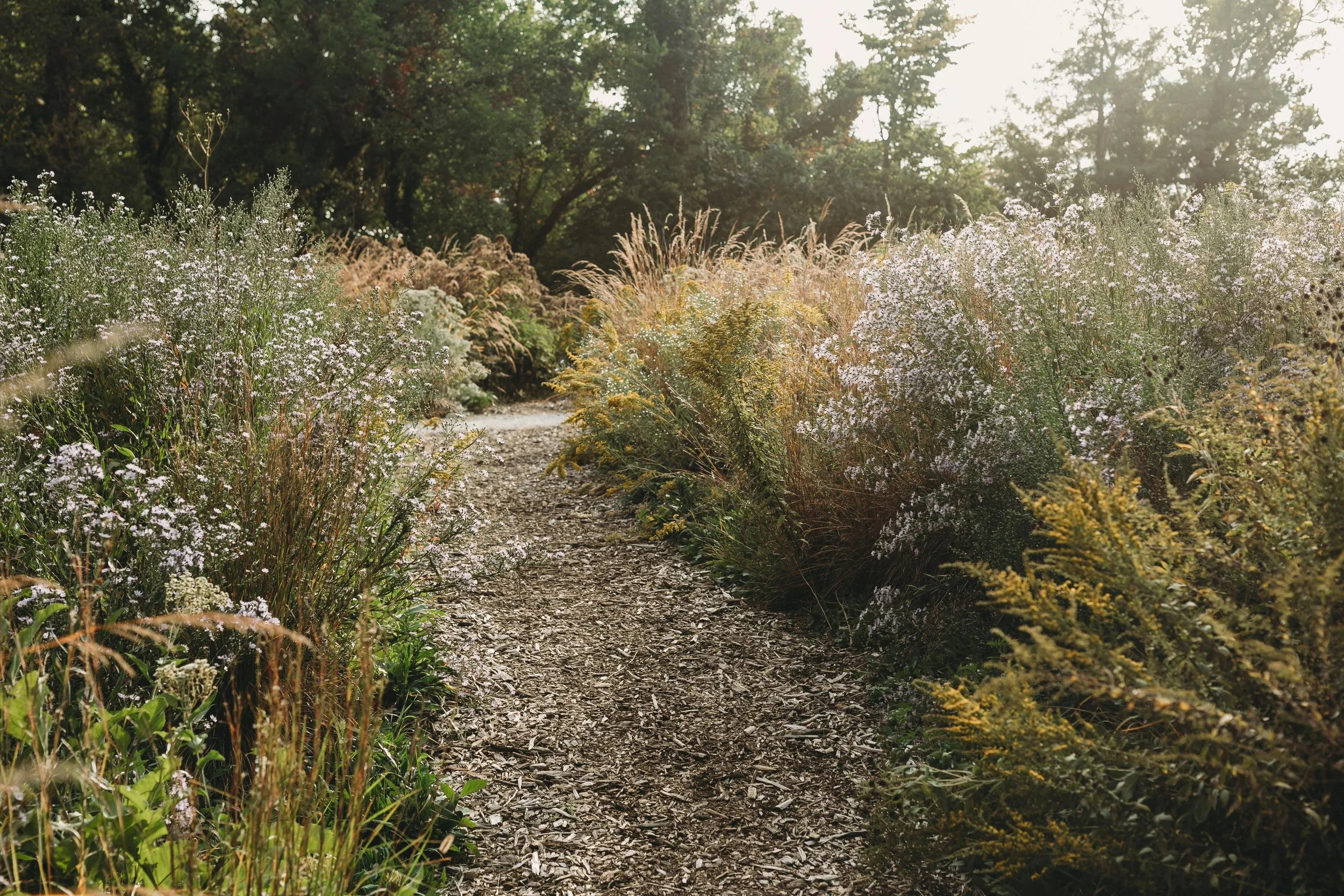
When we allow our gardens to remain intact for the winter, we provide shelter to the creatures that have lived and benefited from our gardens all summer long. This is a deliberate act of stewardship, ensuring that the birds, bees, and soil that make our gardens beautiful in July are safe and sound until spring returns.
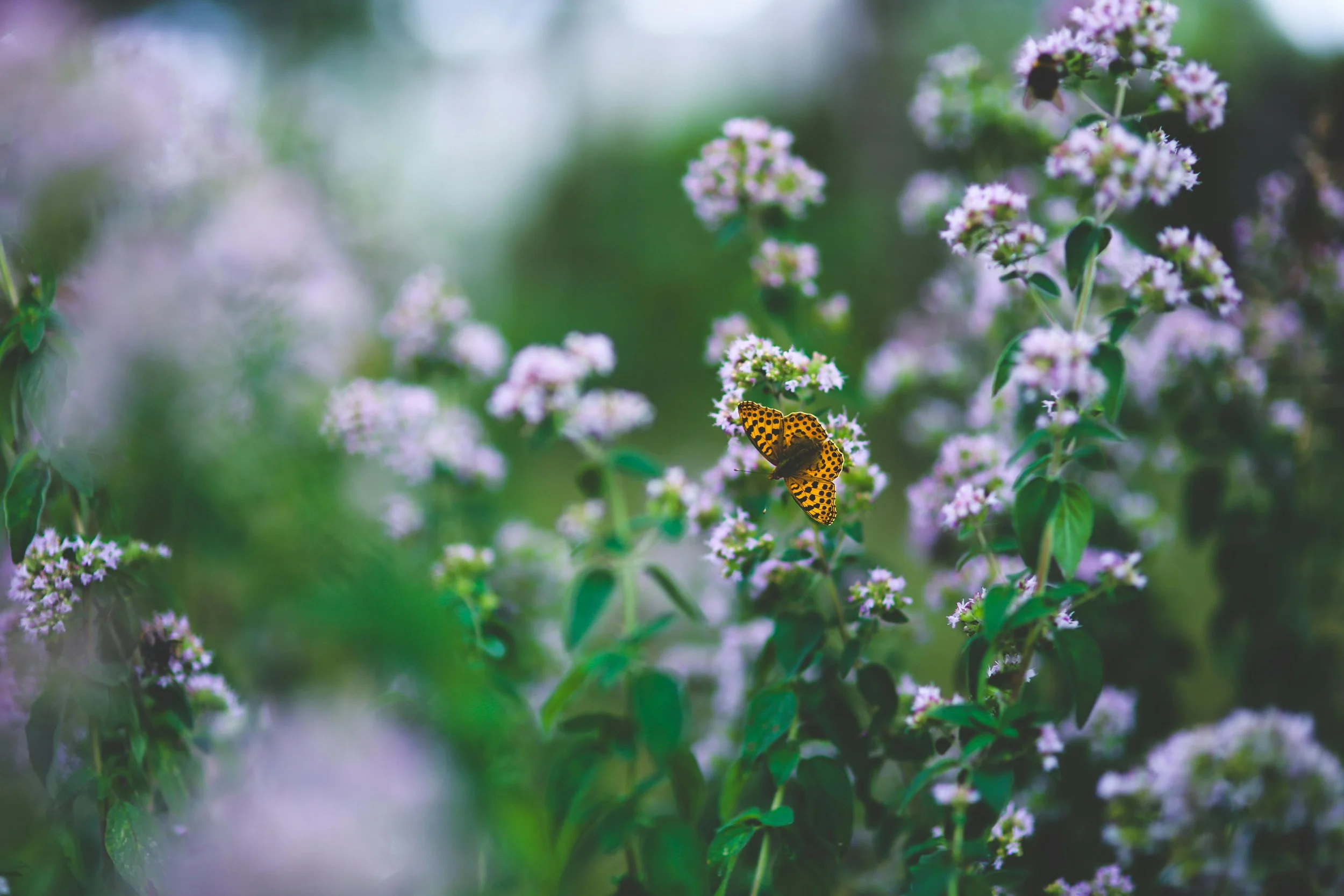
The Stem Dwellers: Many of our most precious native bees don’t live in communal hives. They spend their winter as tiny larvae tucked safely inside the hollow, pithy stems of perennials such as Goldenrod or Joe Pye Weed. By leaving these stems standing, we ensure these pollinators have a safe place to over winter. If you cut those stems down in the fall, you’re accidentally throwing away next year's pollinators.
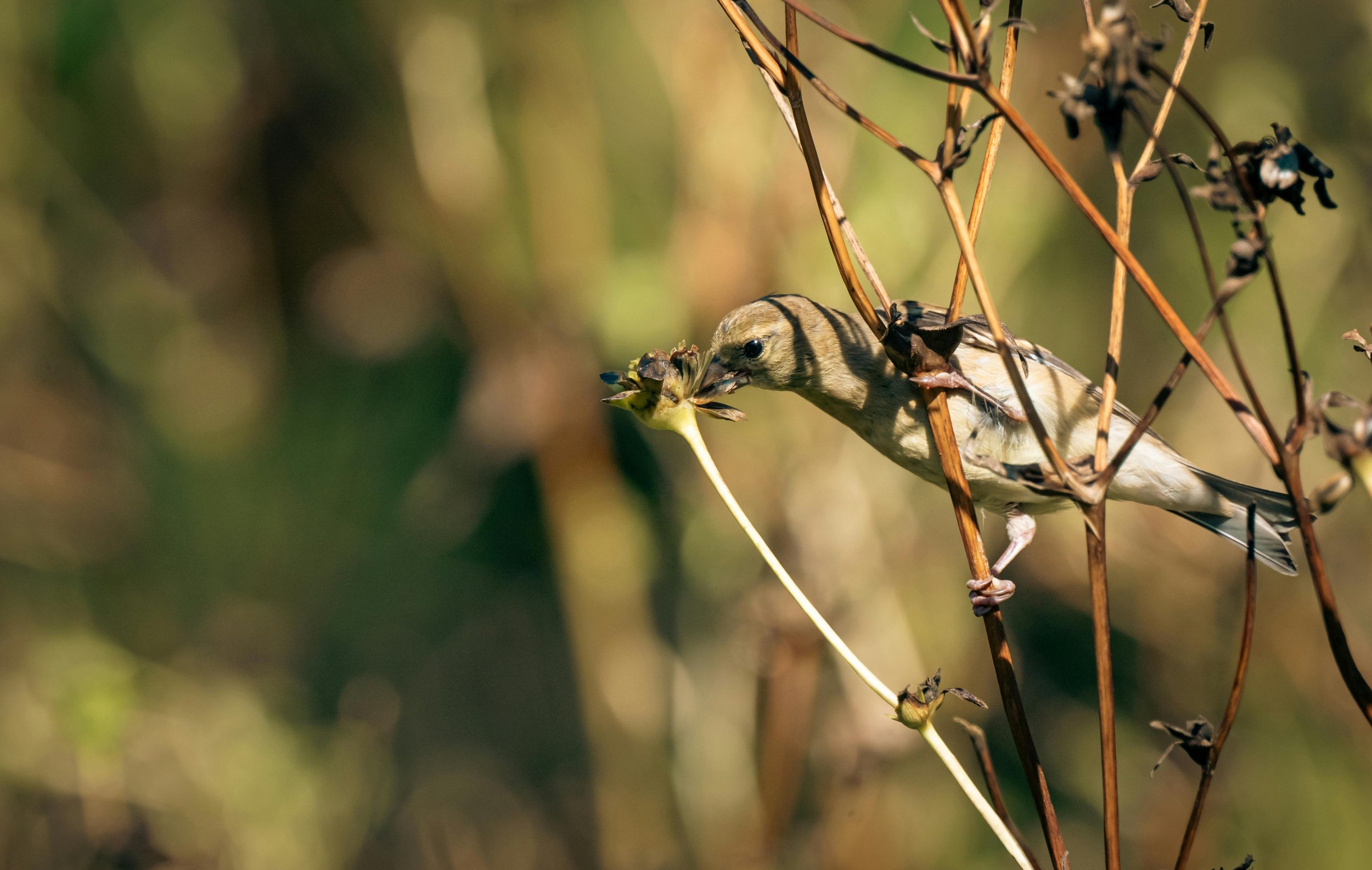
A Natural Winter Buffet: The dried seed heads of Echinacea, Black-eyed Susans, and native grasses provide much more than just winter interest; they are excellent sources of food for goldfinches and sparrows during the winter months. While these stalks may look dead, they are one of the only things that birds can access above the snowline. By leaving these seeds standing, you are ensuring that local birds have a reliable meal when other food sources are out of reach till spring.
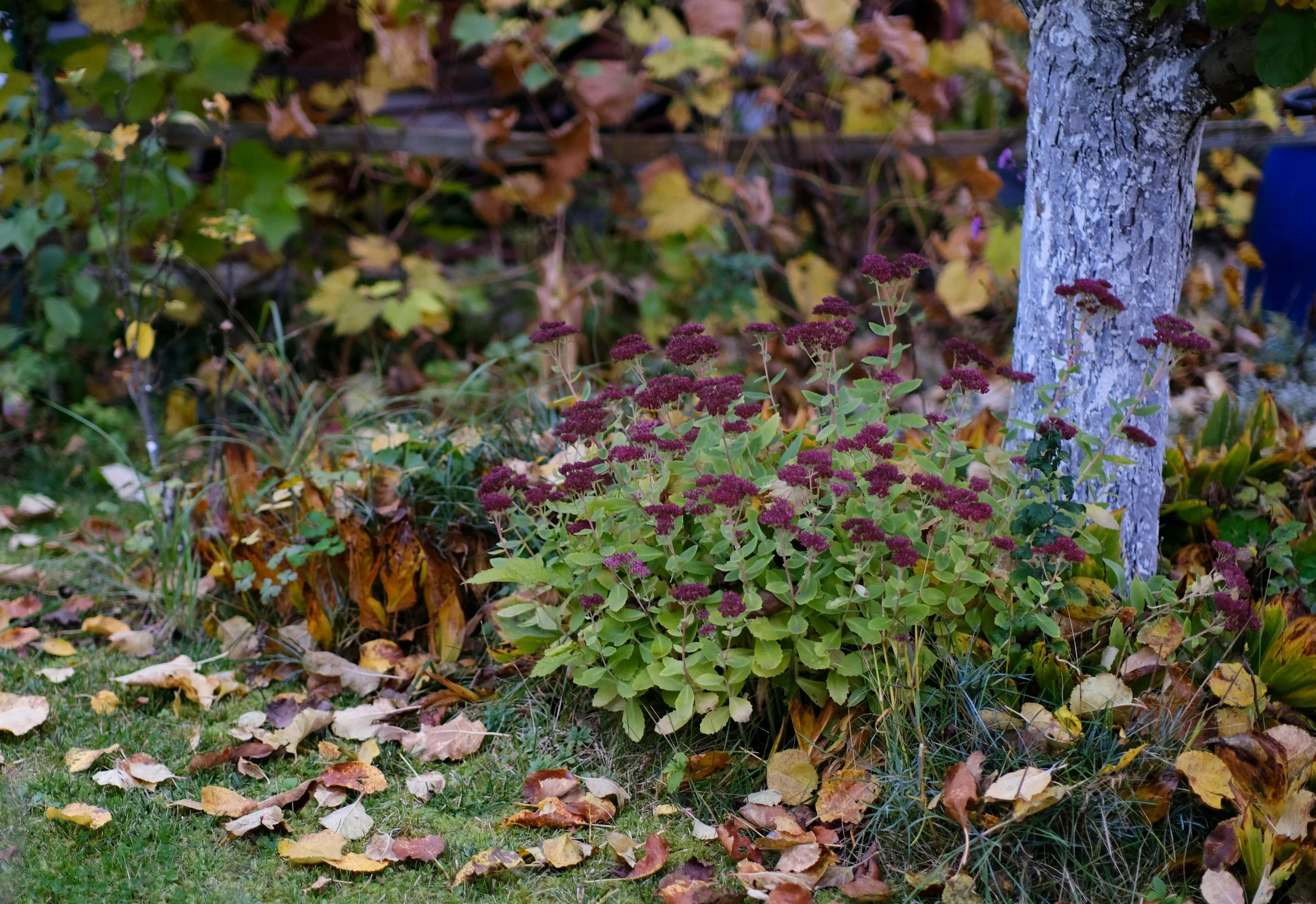
The Leaf Litter Blanket: To us, fallen leaves might look like clutter, but to the earth, they are a protective thermal blanket. This layer of leaf mulch insulates the soil, shielding the roots of your favorite perennials and providing a cozy home and protection for many ground nesting native pollinators.
Design Tips: Making Wild Look Intentional
One of the best parts of sustainable design is finding the balance between a healthy and beautiful garden. We want the garden to look like it is resting intentionally, reflecting the care you put into it.
Celebrate "The Bones": A sustainable landscape often features a strong framework of evergreens. Whether it’s the soft needles of a Hemlock or the glossy leaves of an Inkberry, these plants provide visual weight. When your perennials fade into those gorgeous coppers and tans, these evergreens provide a steady, green structure that keeps the garden looking designed through the winter months.
Embrace the "Frost-Catchers": There is unique poetry in the winter silhouette of a plant. Ornamental grasses like Little Bluestem catch the low winter light, and the sturdy heads of Sedum 'Autumn Joy' hold caps of snow like tiny, natural sculptures. We select these plants so that even in the deepest winter, your garden has rhythmic, architectural beauty.
The "Caretaker’s Edge": A simple way to signal that your winter garden is a deliberate sanctuary is to keep your walkways clear and your garden edges defined. A clean path through a wilder space show that the messiness is a choice made to benefit the environment, a sign that you are hosting life with purpose.
Listening to the Seasons: When to Begin the Spring Transition
Our goal is to work in harmony with nature’s timeline rather than our own. A good rule of thumb is to wait until temperatures are consistently above 50°F (10°C) for at least seven consecutive days. This gentle pause gives the bees and insects that are hiding in the stems and leaves the time they need to emerge before you start your spring clean-up.
Designing for the "Fifth Season"
Sustainable design means caring for your yard as a living, breathing space every single day of the year. Choosing to keep the stems standing and the leaves on the ground isn’t about being messy, it’s about being a good neighbor to the life in your soil. The golden, hushed beauty of this 'Fifth Season’ is more than just a view; it’s the bridge that ensures our spring is as healthy and full of life as possible.
If you’re ready to create a master plan that honors both the beauty of summer blooms and the vital role your landscape plays through winter, we’d love to help. At Williston Horticulture & Design, we specialize in creating landscapes that feel intentional, sustainable, and alive in every season. Reach out to start a conversation, we can walk your property together and design a space that works in harmony with nature year-round.