Choosing Native Plants for Vermont Gardens: A Homeowner’s Guide
Native Vermont plants can give homeowners a richer, more site-responsive landscape when your plant choices begin with light, soil, water, and space rather than a generic plant list. This guide explains what native means in Vermont, how to assess a residential site, build plant palettes for real conditions and purposes, establish new plantings, replace invasive ornamentals, source stock, and decide when a designed planting plan is worth it.
Native Is a Place-Based Term
A native plant is not simply a plant that grows easily in Vermont. In this context, it is a species that occurred in Vermont before European settlement and developed within the region’s ecological communities. A plant can be naturalized or established outside cultivation, without being native. It can also be well behaved in a garden without being the right ecological choice for every part of a property.
The botanical name is the useful guardrail. Common names can cover several plants, including cultivars or species with different ranges and habits. Ask for the genus, species, and, when applicable, subspecies before a plant goes on the order. It sounds fussy but it prevents expensive mistakes.
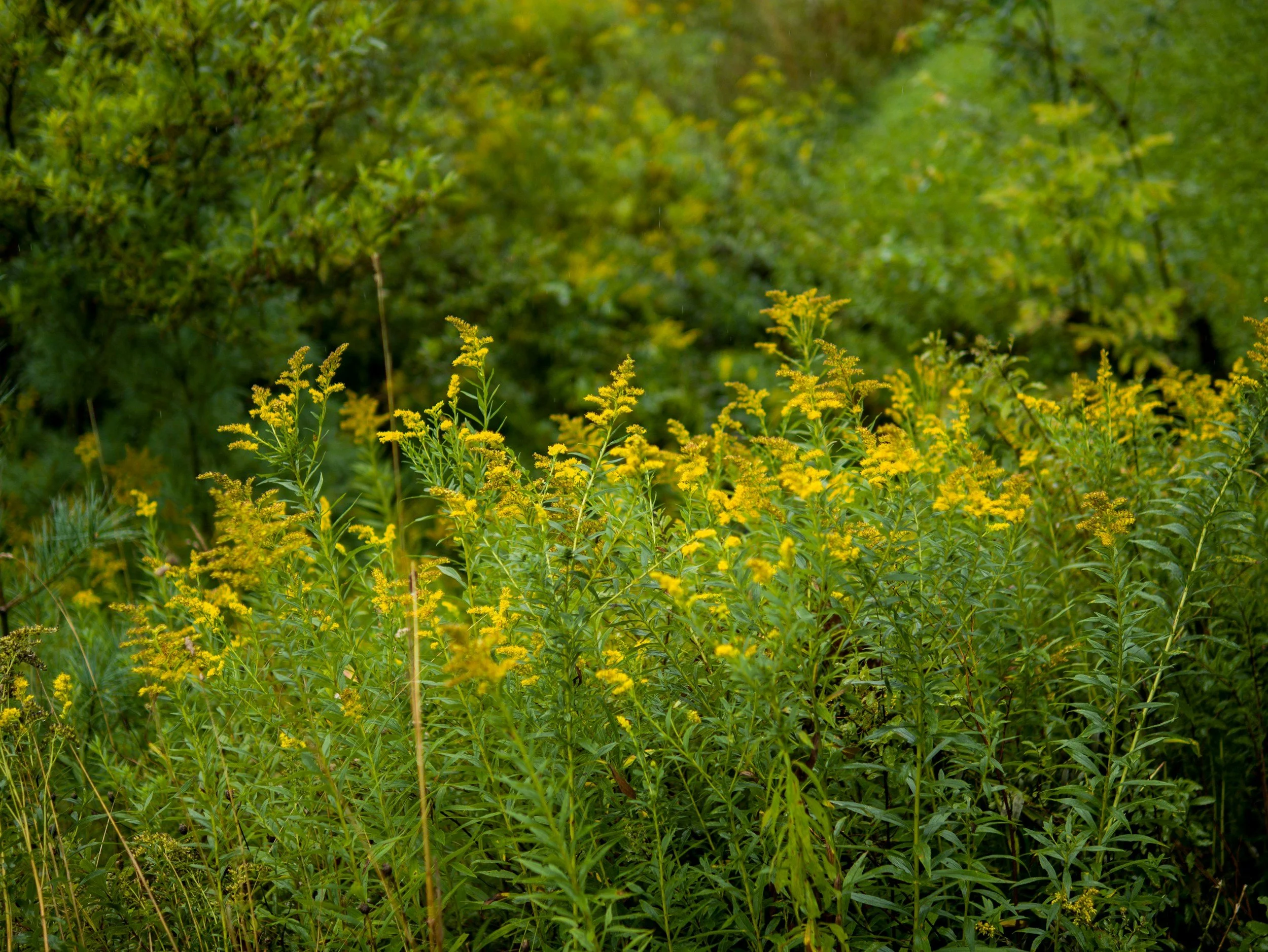
Start With the Site, Not the Plant List
A beautiful plant in the wrong place creates years of extra work. Before choosing a palette, walk your property several times within all seasons. Notice where snow lingers, where water stands, which edge catches winter wind, and where roof runoff lands. The obvious sunny bed may be dry in July but saturated in April. Both conditions count!
Use this short field assessment:
Light: Record full sun, part sun, part shade, or shade after watching the area through a clear day.
Soil and drainage: Dig a small test hole. Sandy soil, compacted fill, loam, and dense clay all behave differently. Note how the water drains or lack thereof.
Space and competition: Measure the mature planting area, then look around. Tree roots, overhead wires, foundations, paths, deer pressure, and nearby lawn all shape the choice.
Exposure and grade: A wind-scoured ridge, a steep bank, and a protected courtyard deserve different planting strategies, even when their soil looks similar.
The University of Vermont Extension makes the same practical point: assess sun exposure, drainage, and soil type before selecting plants. It’s also suggests observing native plant associations in nearby parks, public gardens, and natural areas for clues about what suits comparable conditions in your area. 2.
A soil test can answer fertility and pH questions, but it does not replace observation. Nor does a nursery tag. Most planting failures begin with a mismatch in moisture, available root room, or mature size.
I always recommend completing a soil test prior to beginning a project. It is affordable and often readily available through your local university. This a simple step that can make a world of difference and can help you make smarter decisions about what to plant and how to care for your landscape.
Plant Palettes for Vermont Conditions
For a deeper condition-by-condition breakdown, see native plants by site condition.
Think in terms of plant communities, not isolated specimens. A small tree or tall shrub can set the frame; while lower shrubs, perennials, ferns, or grasses will fill in the gaps. Repeated forms and a few well-chosen species read as intentional, while a collection of one-of-everything doesn’t quite provide the same benefits.
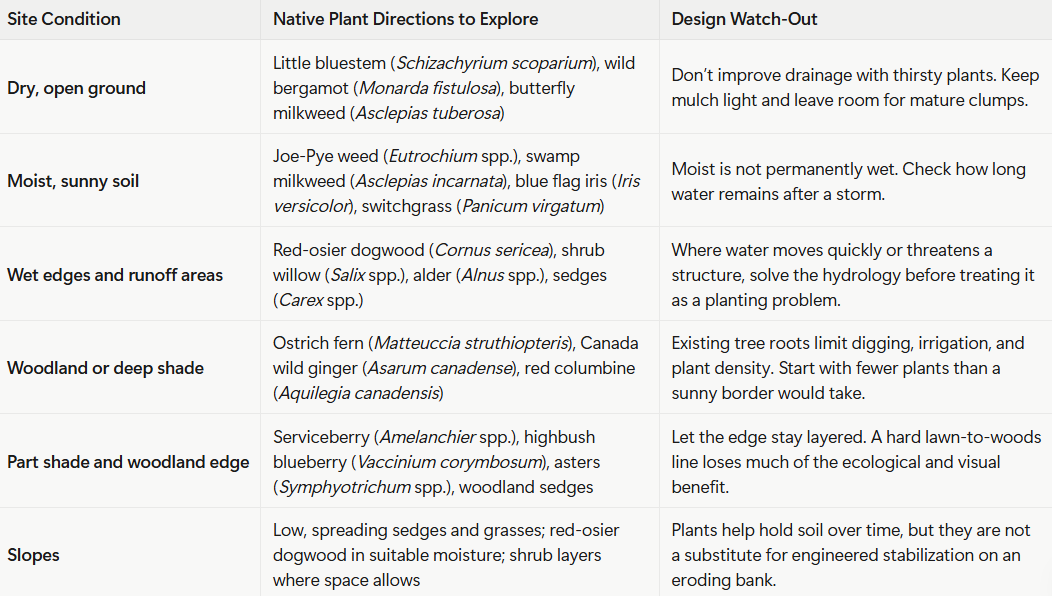
These are directions, not plug-and-play formulas. Blueberry, for example, needs the soil chemistry it prefers. Joe-Pye weed needs room. And a shrub that looks modest in a container can become the wrong answer near a path. The full work up of every species must be considered when selecting a plant for a design area. The most important and overlooked information of all is the mature plant dimensions. This should be the first piece of information you consider when adding it to your plant list and should be in for forefront of how it will be incorporated into your design.
Choose Plants for the Job They Need to Do
Conditions tell you what can grow. Purpose helps you decide what should grow there.
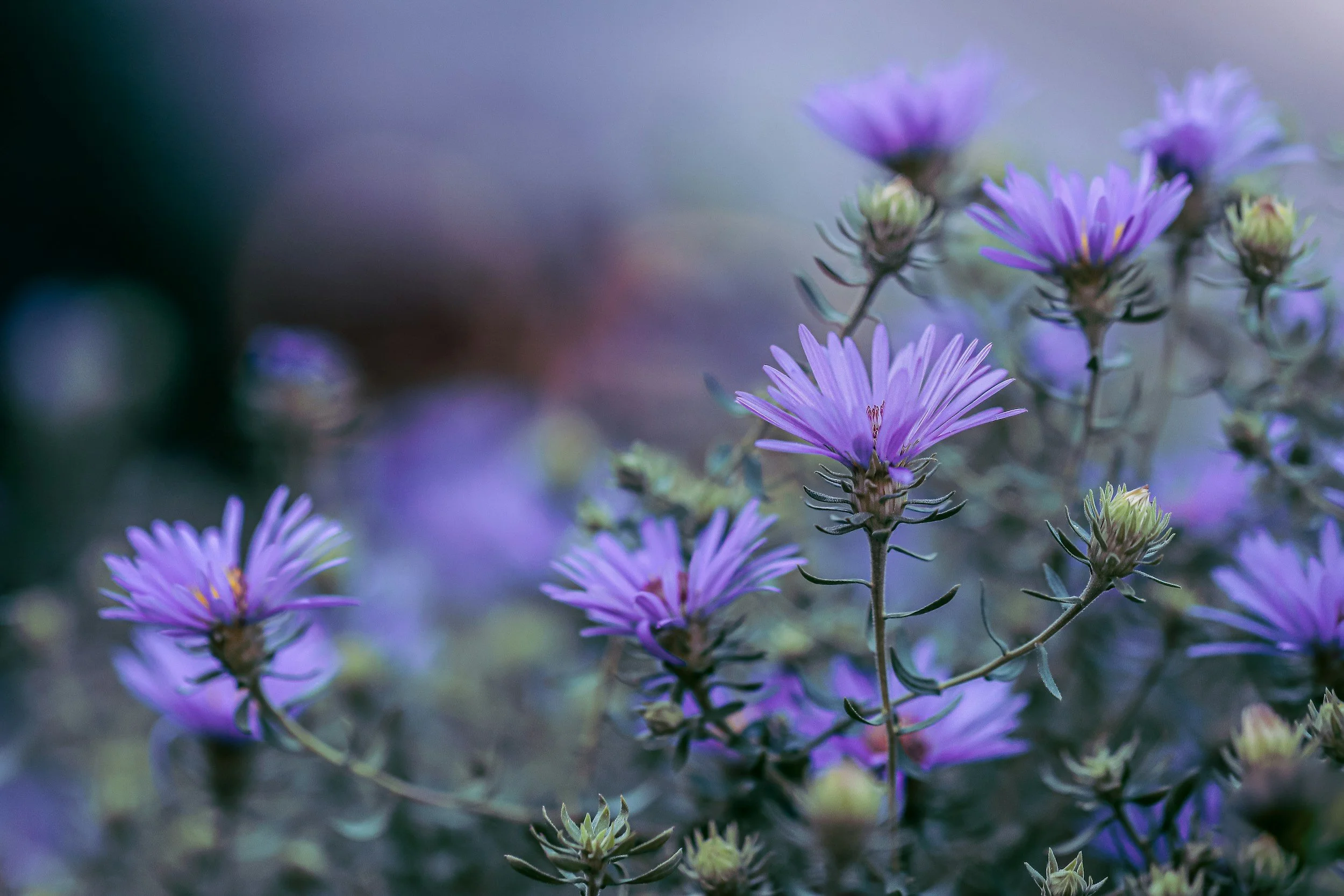
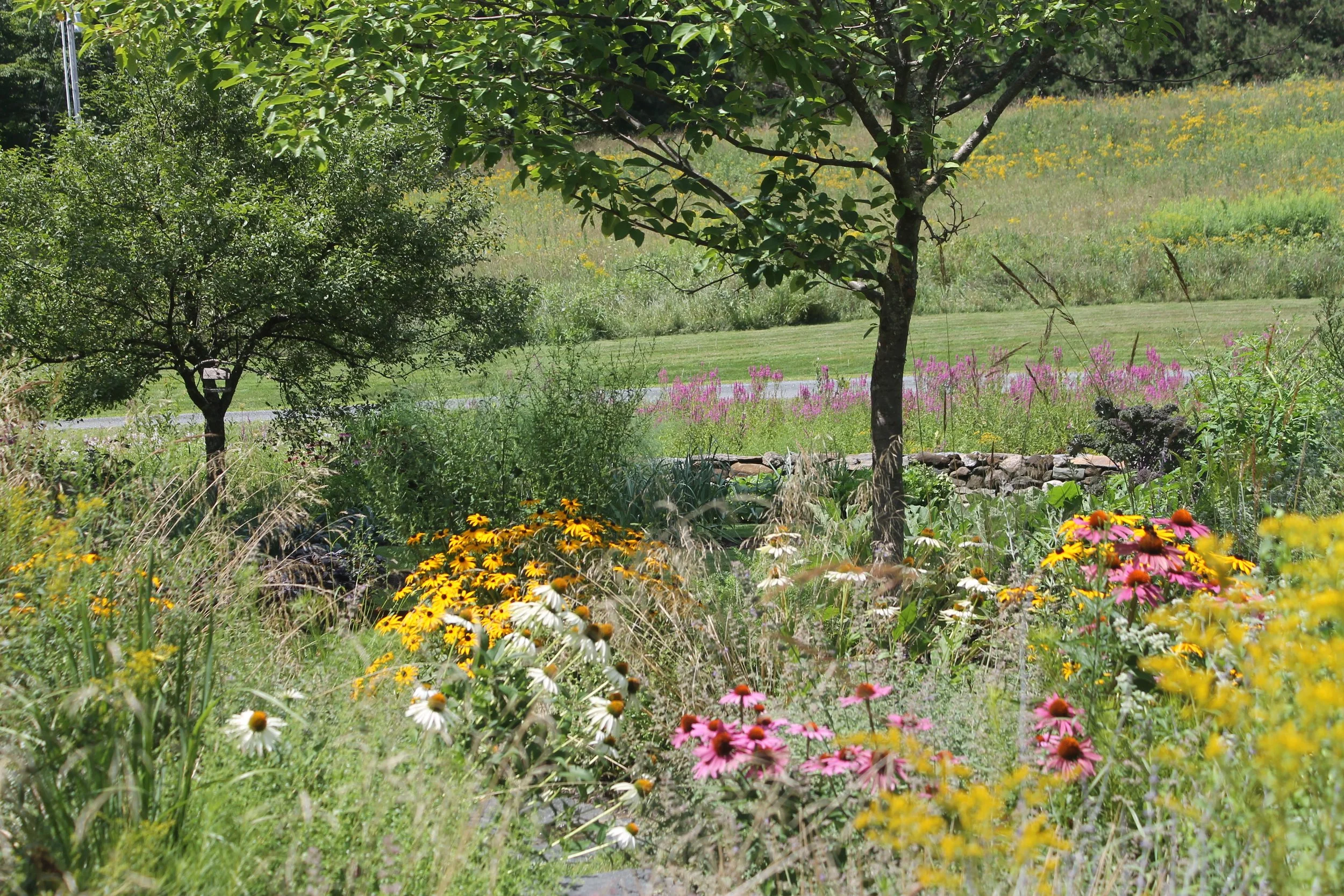
For pollinator support, build a bloom sequence instead of pursuing a one-week seasonal peak. Serviceberry and red columbine can carry spring interest. Wild bergamot, milkweeds, and Joe-Pye weed extend the summer. Goldenrods and New England asters provide a strong late-season finish. Vermont Fish & Wildlife’s plant list spans wildflowers, grasses, shrubs, and trees, which is a useful reminder that pollinator habitat should not look like a flower-only border. 1.
For birds and seasonal structure, include woodier layers and leave seed heads or stems where they are safe and attractive through winter. UVM Extension identifies native oak, black cherry, birch, red maple, and serviceberry, along with alder, dogwood, blueberry, and shrub willow, as high-value examples for insects and birds. A planted border can look intentional and purposeful without being stripped clean each fall. 2.
For screening and privacy, resist the urge to choose a single fast-growing hedge. A mixed group of native small trees, shrubs, and lower plantings gives a screen depth and seasonal change. Match the plant to the height you need, not the height you wish it could reach next year.
For edible interest, serviceberry and highbush blueberry can earn a place in a residential planting, provided the site and maintenance plan fit. For runoff and erosion, sedges, deep-rooted perennials, grasses, and shrubs can be part of the response. The phrase “part of” matters. Grade, concentrated flow, soil loss, and proximity to a building demand a whole-site approach, not just the right plant palette.
Establishment Takes Three Growing Seasons
For the full year-by-year care plan, see how to establish a native garden.
Native does not mean no-care. It means that, once established in an appropriate site, a plant should need less intervention than a poor fit. The establishment period is the part homeowners often underestimate.
Year one is about survival. Water new plants deeply during dry stretches, maintain a weed-free zone, and check that mulch has not buried crowns or touched woody stems. The work is unglamorous, but it is very necessary and will protect your investment.
Year two is about coverage. Plants begin to occupy their assigned space, though gaps and volunteer weeds still need attention. Reassess spacing before adding more material. A perennial that appears sparse in June may make a different case by September.
By year three, a well-matched planting should start carrying more of its own weight. UVM Extension notes that establishment can take about three years and advises organic mulch to reduce weed pressure. It also cautions that heavy mulch can prevent ground-nesting bees from reaching soil. 2.
Skip routine fertilizer unless a soil test or a specific plant-health problem calls for it. Overfeeding can produce weak, overly lush growth and favor weeds. Leave plant debris with intention, cut back what needs clearing in spring, and make maintenance decisions around plant function rather than a fixed calendar.
Replace Invasives by Matching the Design Job
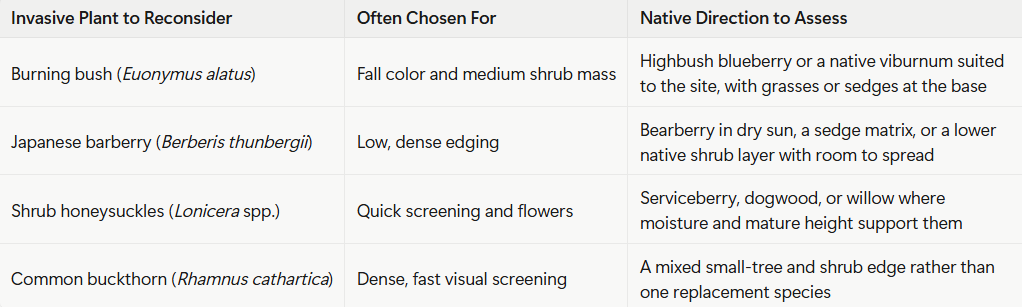
For a dedicated replacement guide, see native alternatives to invasive shrubs.
Removing an invasive shrub and dropping in the first available native is not a design strategy. First identify what the old plant was doing: screening a driveway, making a low border, holding a bank, or supplying fall color. Then choose a native composition that serves that job under the actual site conditions.
Vermont Invasives defines invasive species as non-native organisms that cause harm and notes that invasive plants can outcompete native plants and alter ecosystems. It includes burning bush, common buckthorn, honeysuckle, and Japanese barberry among commonly found Vermont invaders. 3.
It is important to understand that this is not a removal manual. Confirm the plant before acting, follow current local disposal guidance, and plan for resprouts or a disturbed soil seed bank for years to come.
Source Plants With Botanical Precision
Buy nursery-grown plants and ask direct questions. Was this stock grown in Vermont? What is the full botanical name? Is it straight species material, a cultivar, or a seed mix? What is the expected mature size? Has the nursery grown it for a wetland, dry slope, woodland edge, or ordinary garden bed?
The state recommends to source Vermont-grown plants where possible and urges buyers to know the complete scientific name, including subspecies when appropriate, to avoid accidental introductions of non-native or invasive plants. 4.
A reliable nursery, a plant sale run by a conservation organization, or a grower who can speak plainly about source material will give a homeowner far more useful information than a vague plant label. Treat any nursery directory as a starting point, not an endorsement or a permanent inventory list. This might sound tedious but doing your research will pay off in the long run.
When a Designed Planting Plan Helps
A homeowner can make a strong start with one border, a modest lawn edge, or a few strategic replacements. A designed plan becomes valuable when choices interact: a slope feeds water toward a terrace, a new screen must work around a septic field or mature trees cast shifting shade.
This is where plant knowledge needs a drawing. A planting plan establishes species, quantities, spacing, placement, and instructions before the site becomes a collection of expensive compromises. Williston Horticulture & Design’s service includes site analysis, master planning, planting schemes, and a planting-plan phase that considers mature size, growth habit, seasonal interest, and placement.
For a smaller or uncertain project, a landscape consultation can focus the first moves around soil, light, plant selection, problem areas, and maintenance. The useful deliverable is clarity: what to plant now, what to leave open, what needs a technical solution first, and what can wait.
No native palette can compensate for a site that has not been analyzed properly. Start there.