This article is for homeowners in South Burlington, Hinesburg, Williston, Essex, and the wider Burlington area who are renovating established gardens or planning refined landscapes for high-value homes. It explains how a site-responsive planting plan can bring structure, four-season interest, and ecological health to a property without making every corner look the same.
A mature property rarely needs more ideas. It often just needs a better relationship with the ideas and design factors already in place.
The front walk, the old maple, the terrace, the wet corner, and the view from the kitchen window should feel like parts of one landscape. That coherence is what a planting plan is for.
Renovation Begins with an Honest Inventory
Established gardens contain useful information. Plants that have survived ten winters have earned attention. Beds that stay empty may be poorly drained, too shaded, or simply disconnected from how the house is used. A renovation should preserve what works before replacing what doesn’t.
University of Vermont Extension recommends taking a garden inventory, noting plants that are struggling, identifying possible locations for new beds, and considering soil testing before spring. Its fall planning resource is aimed at home gardeners, but the principle scales up: observe first, then intervene.
The same rule applies to new construction. The site may be unfinished, but its grades, soil, drainage, utilities, and existing vegetation still set the terms.
Planting Plans Make the House and Garden Speak to Each Other
Near the house, planting can reinforce architecture through proportion, repetition, and clear edges. Farther away, the language can loosen into shrubs, grasses, meadow, or woodland planting. A property feels coherent when those changes are gradual rather than abrupt.
WHD’s full design process includes conceptual layouts, mood boards, preliminary design, a planting plan with quantities and spacing, and detailed drawings for implementation. That level of documentation helps prevent the common failure where a garden looks good on paper but doesn’t work at the scale of the property.
The planting plan should answer practical questions. Where will snow go? Which plants will hide the foundation in summer but leave winter light? How wide will the bed become after five years? What happens when the dog cuts across the border?
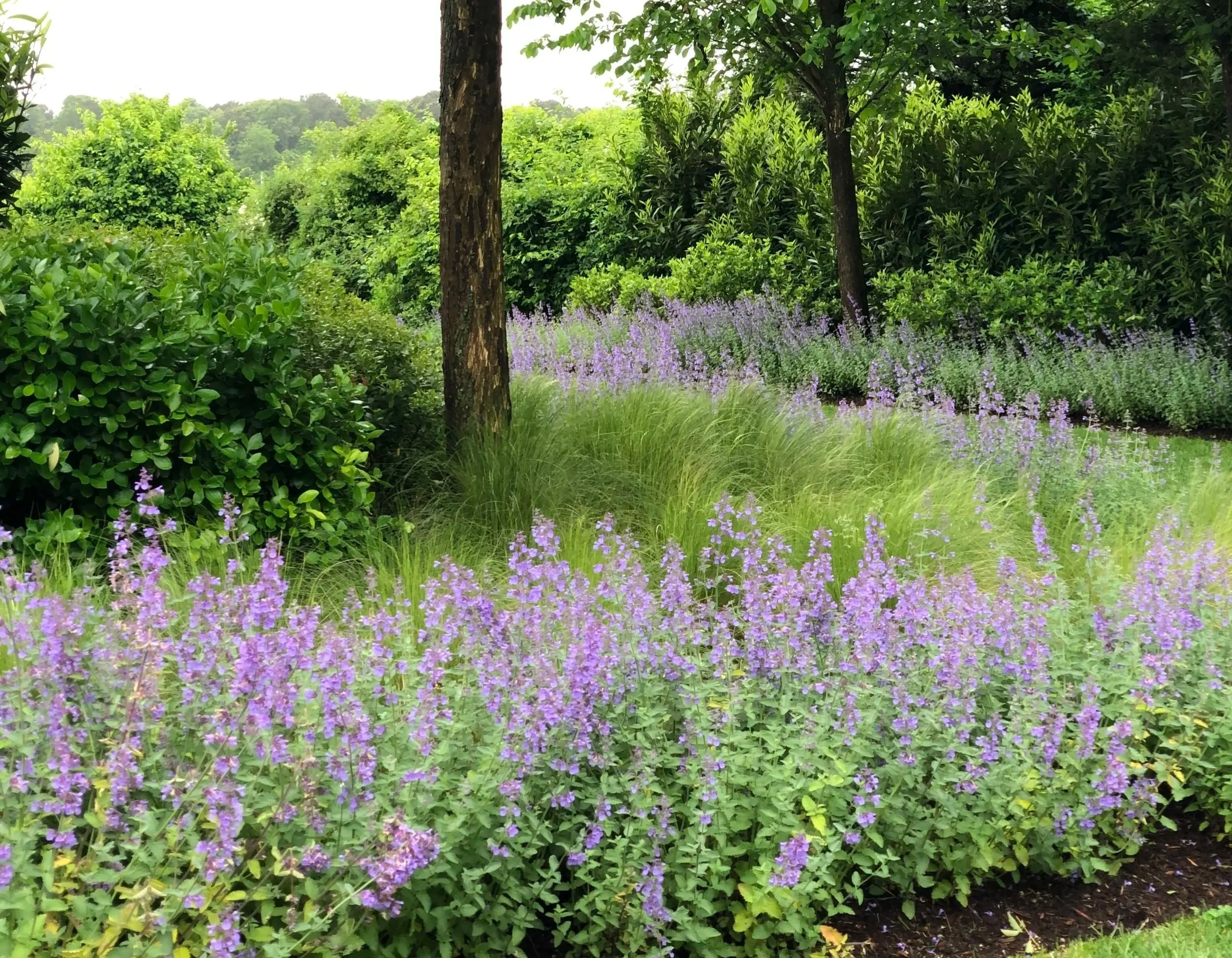
Native-Forward Does Not Mean One Visual Style
South Burlington, Williston, Hinesburg, and Essex contain varied sites. A wet low area, an exposed new-build lot, an established suburban garden, and a wooded Hinesburg property shouldn’t receive the same palette simply because they are in the same region.
WHD’s approach prioritizes native plants where they fit, while allowing well-behaved, non-invasive ornamentals when their form, bloom, or seasonal value supports the site. The result can be formal near the front entry, loose at the property edge, colorful around a terrace, or quiet beneath mature trees.
The useful question is not “Is every plant native?” It’s “Does every plant belong here, and does the composition support the larger landscape?”
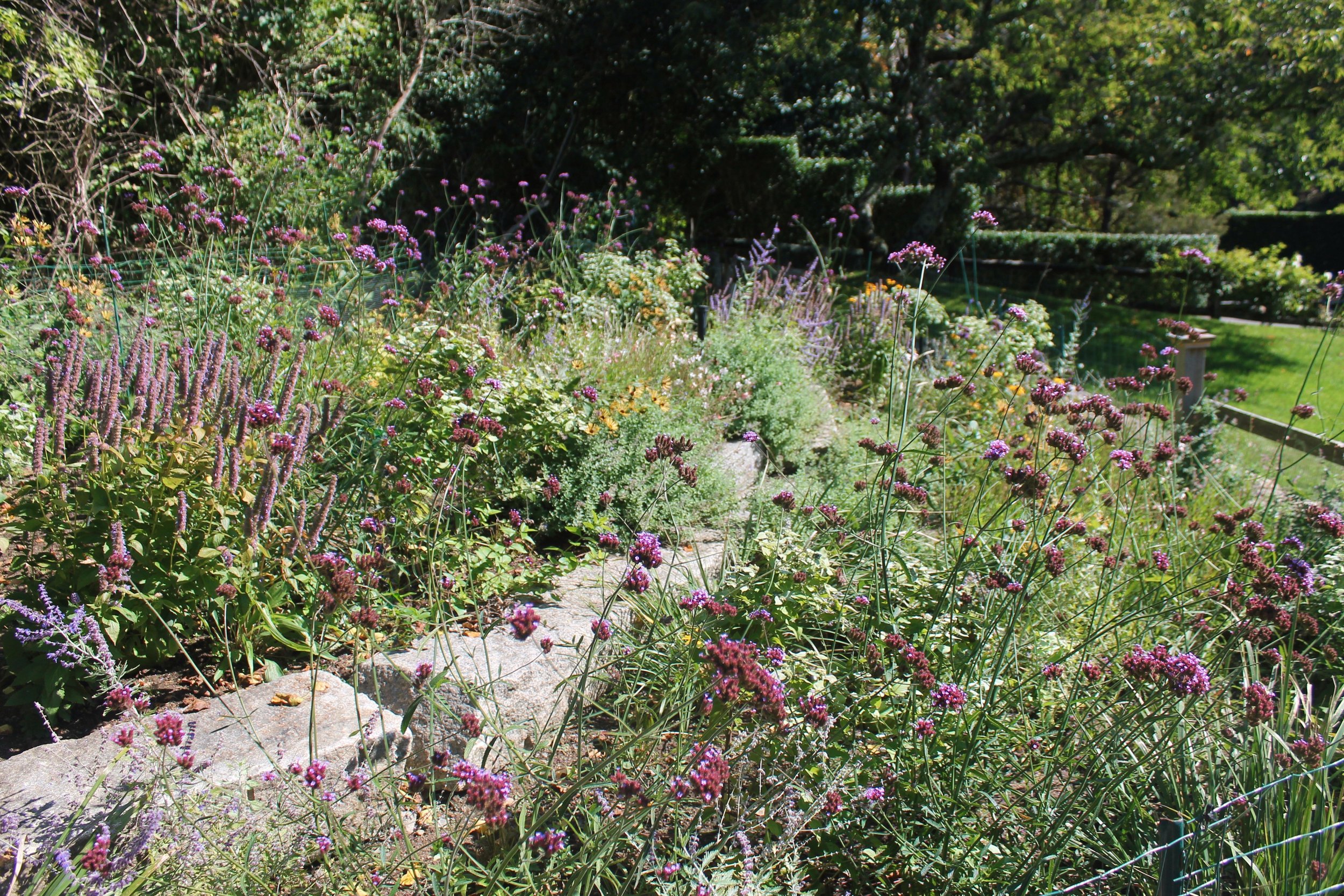
Four Seasons Are a Planning Problem
Spring bulbs and early perennials create anticipation. Summer brings volume and pollinator activity. Autumn supplies seed heads, foliage, and late flowers. Winter exposes the framework.
Designing all four seasons requires more than choosing plants with different bloom dates. It requires structure. A garden may need evergreen mass near a window, strong stems where snow catches, shrubs for nesting and berries, and enough repetition that the winter view still reads as intentional.
The UVM Master Gardener resource library includes Vermont references for native plants, pollinators, invasive species, lawns, soil, and meadow habitat. Those resources can help homeowners ask better questions before scheduling a design consultation.
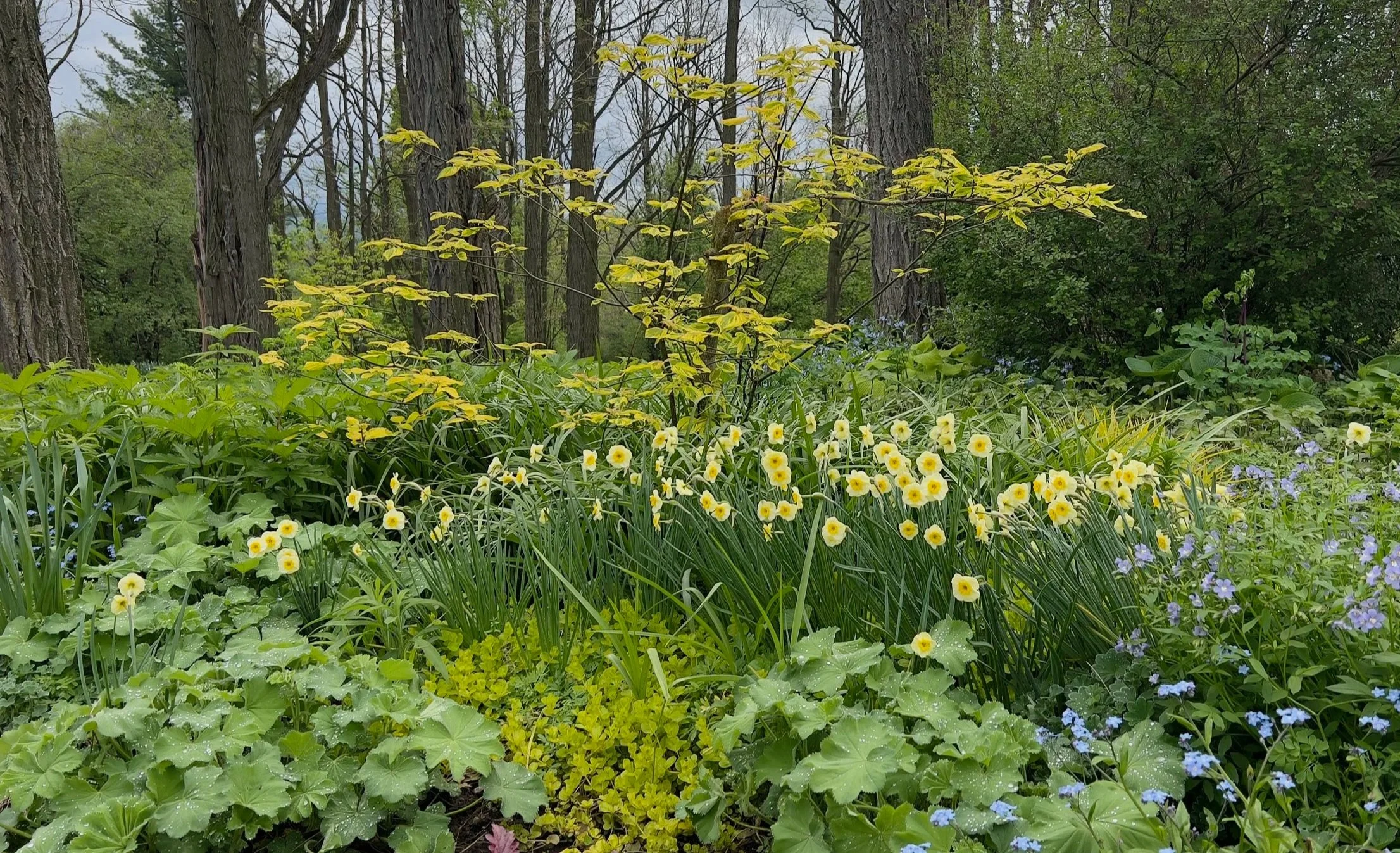
Start the Spring Project During the Quiet Season
WHD’s design-only landscape service is built around a plan that the homeowner owns. That can mean comparing contractors, installing in phases, coordinating with an architect or builder, or completing the work over several seasons without losing the overall vision.
A fall inquiry gives the designer time to understand the property before spring growth hides the structure. Gather a survey if available, recent photographs, a rough budget range, and notes about how you want to use the space. If the garden is established, include photos of the areas that work well and the ones that frustrate you.
Then send WHD the project details. If spring installation is the goal, ask about winter design availability now rather than waiting for the first warm weekend.