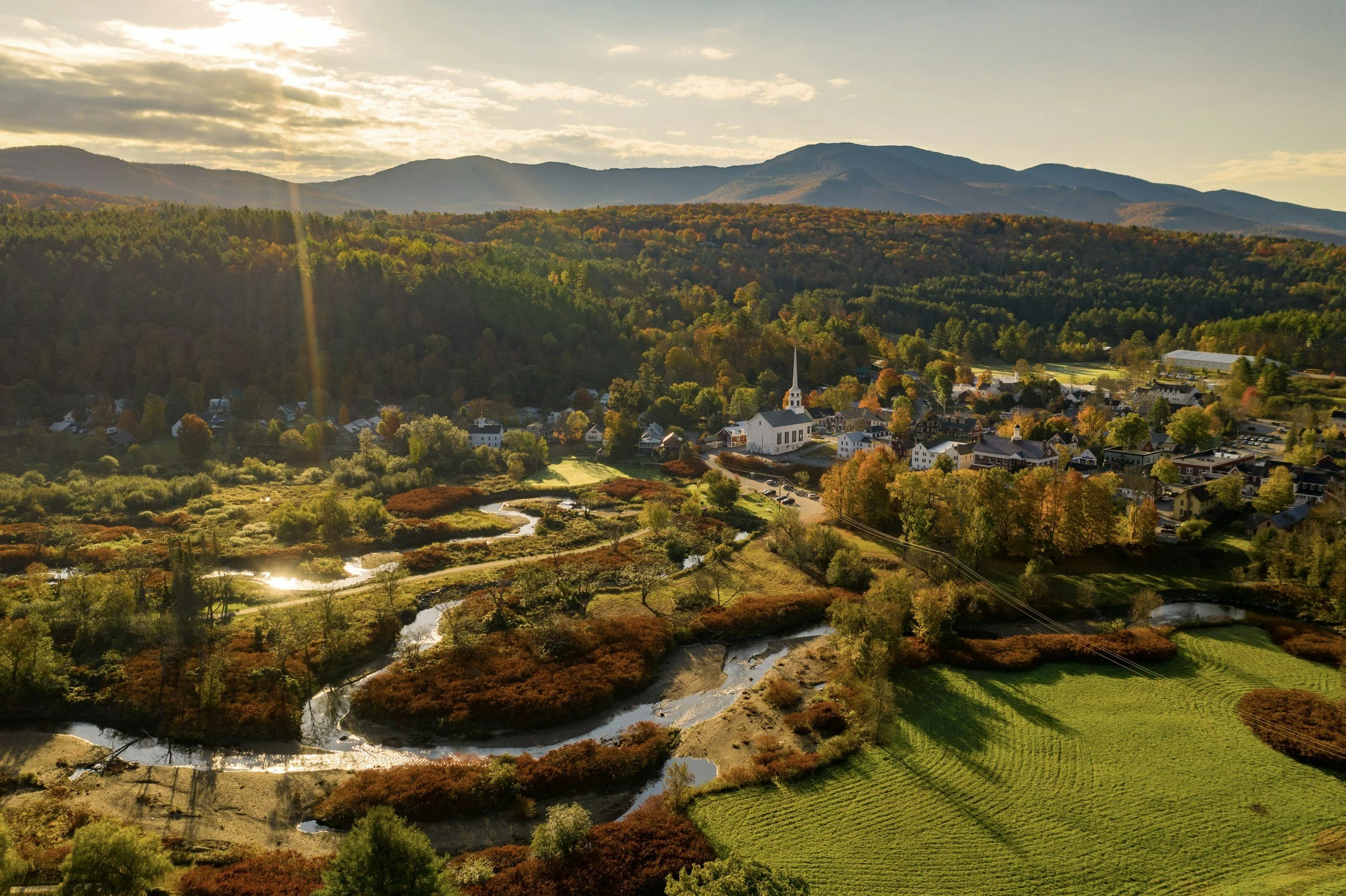
In Stowe, Vermont landscape design is a personal craft where beauty must be matched by resilience. Our properties sit in a demanding climatic pocket between the high-elevation snow loads of Spruce Peak and the frost-prone valleys near Trapp Hill, often facing a growing season weeks shorter than the rest of the Champlain Valley. At Williston Horticulture & Design, I treat plant selection as a highly calculated decision. This ensures your landscape becomes a lasting, living sanctuary built to weather the beautiful but rigorous conditions we have in the mountains.
The "Right Plant, Right Place" Philosophy
My journey as a landscape designer in Stowe, Vermont began with a simple truth: plants aren't just for decoration, they are living systems. This philosophy, honed through years of study and hands-on experience, guides every project at Williston Horticulture & Design. I prioritize natives because they belong here and offer incredible benefits to local ecosystems, but I don’t use them exclusively. I’m a firm believer in the "right plant, right place" rule. This means I'm not afraid to incorporate well-behaved, non-invasive ornamentals that are perfectly suited to our mountain environment.
This balanced approach ensures your landscape feels polished and vibrant year-round, all while robustly supporting local biodiversity. By selecting ornamentals that share the same needs as our mountain natives, we cultivate truly self-sustaining landscapes. We mirror the natural systems that thrive in Vermont, developing resilient, low-maintenance ecosystems that age gracefully. Once established, these gardens flourish without needing supplemental water, synthetic fertilizers, or constant management.
The following curated plant palette focuses strictly on USDA Zone 4b resilience, selecting species specifically adapted to the rigors of the Stowe landscape.
Trees, The Bones of the Landscape
Trees provide the essential frame and long-term structure for any landscape. They are the anchors of your outdoor vision.
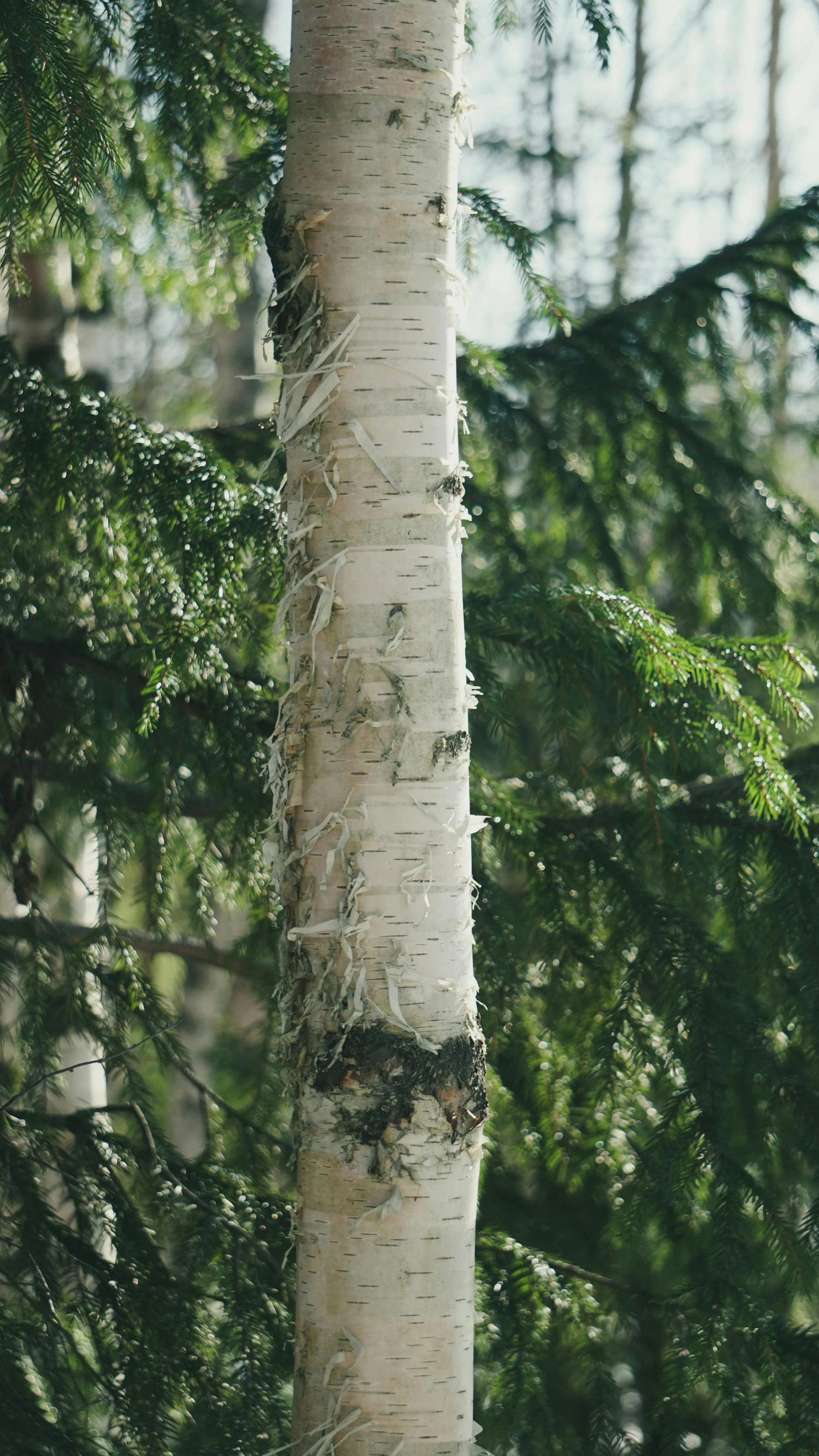
Paper Birch (Betula papyrifera): Their iconic white bark is a winter essential, standing out beautifully when everything else is muted. These beauties thrive in our rocky, glaciated soils.
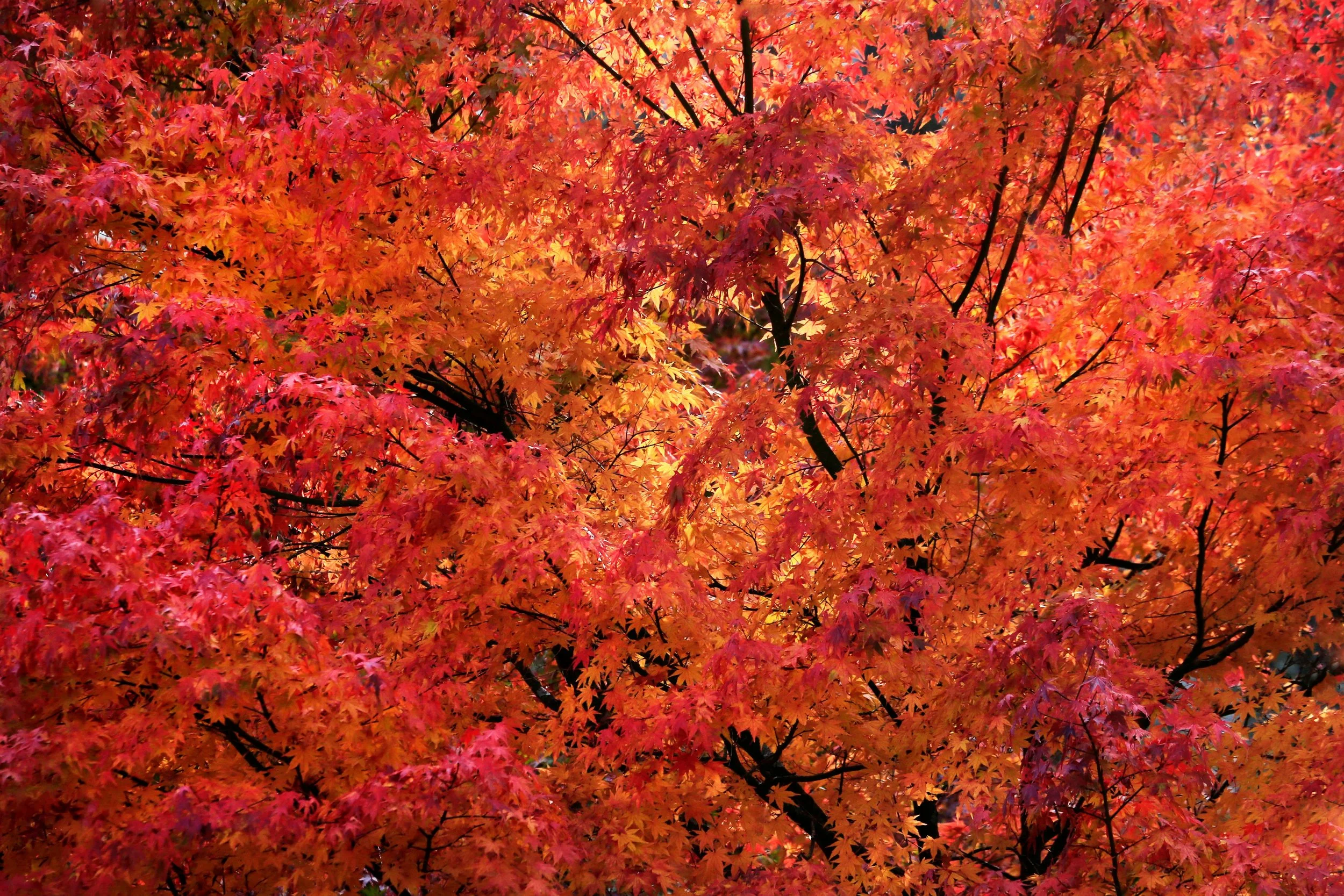
Sugar Maple (Acer saccharum): It simply wouldn't be a Stowe landscape without our state tree. It's the source of that breathtaking gold-and-crimson canopy we cherish every October.
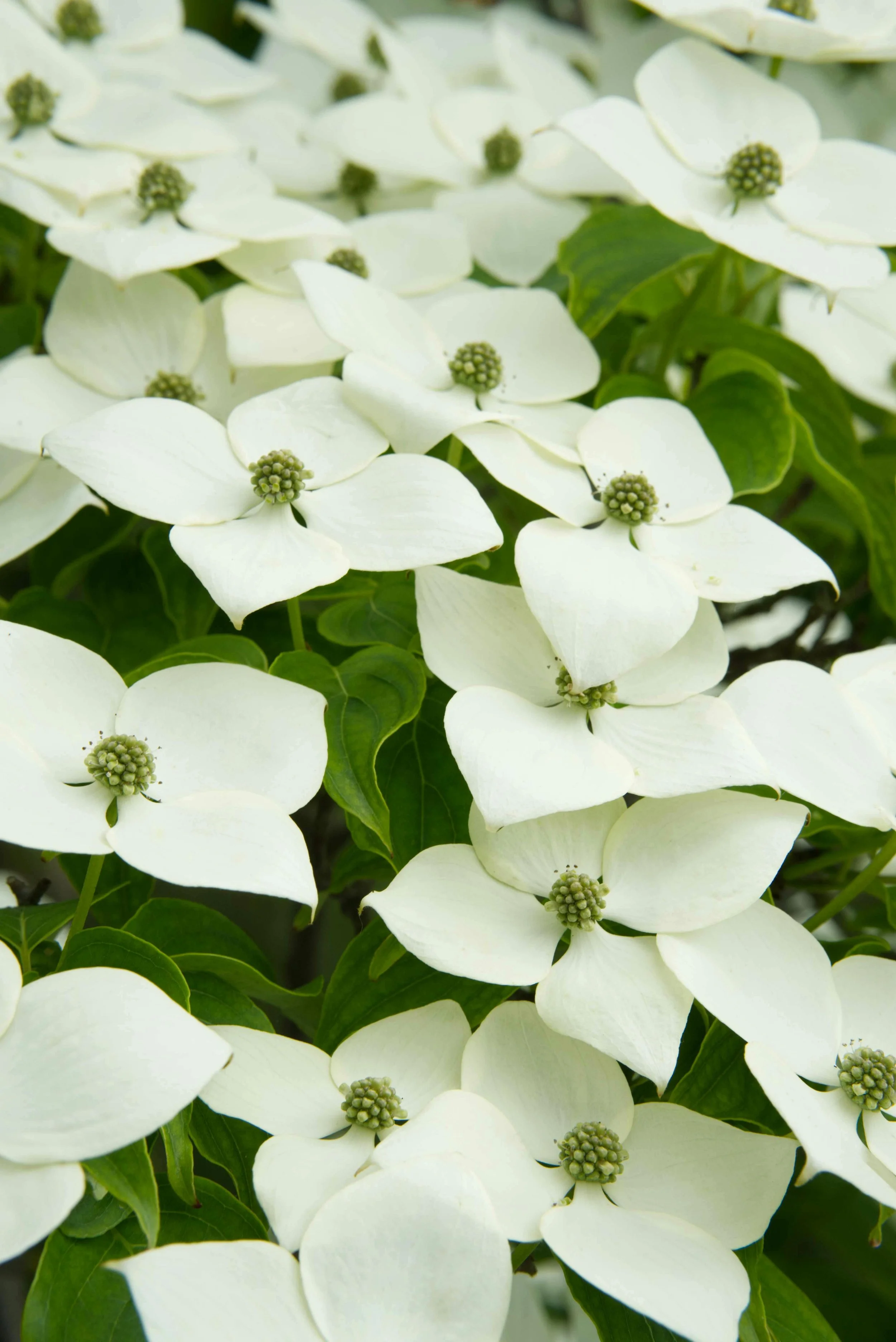
Kousa Dogwood (Cornus kousa): A sophisticated alternative to our native dogwoods, offering elegant, star-shaped blooms and superior resistance to mountain cold.
Layering with Shrubs
Shrubs bridge the canopy and ground plane, creating vital privacy, rich habitat, and compelling visual depth.
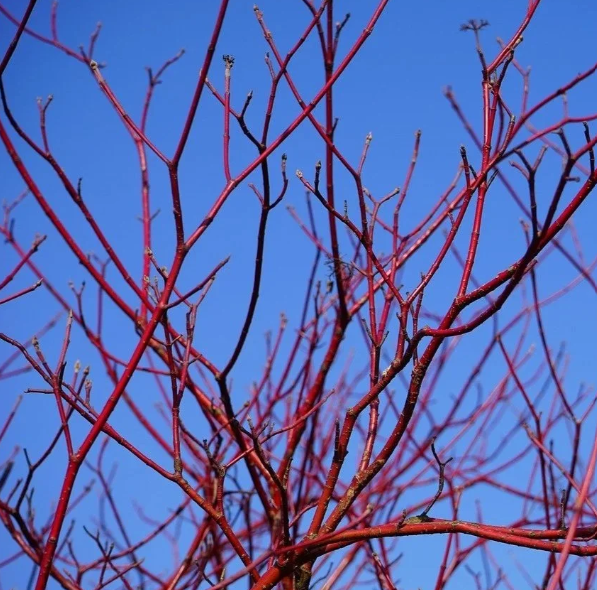
Red-twig Dogwood (Cornus sericea): Their brilliant red stems glow against white snow, offering a practical and visual winter standout. Their flexible branches are built to withstand heavy snow loads shedding from rooflines.
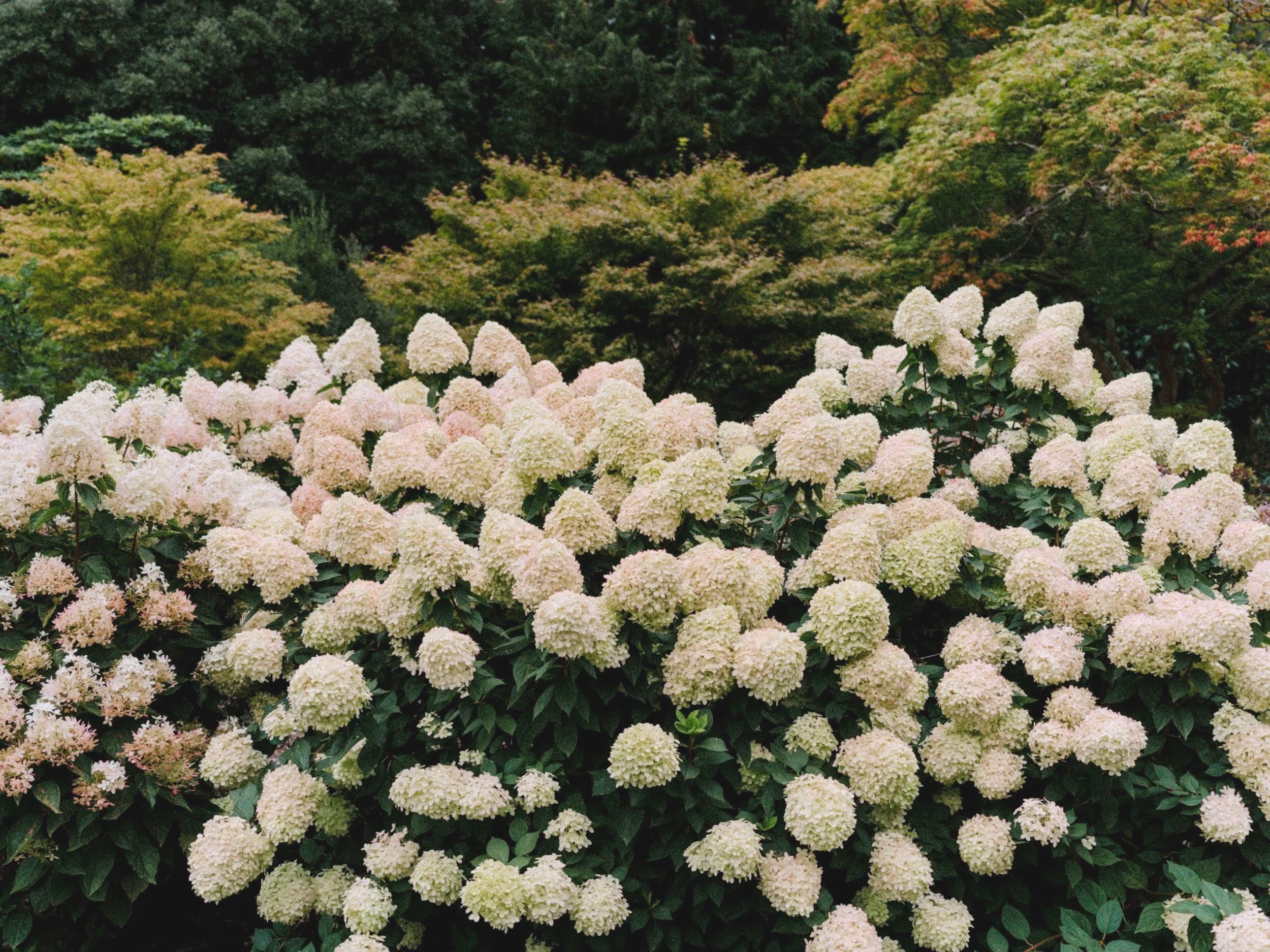
Limelight Hydrangea (Hydrangea paniculata): A garden staple for good reason. These are tough enough for Zone 4 and produce massive, show-stopping blooms in mid-summer.
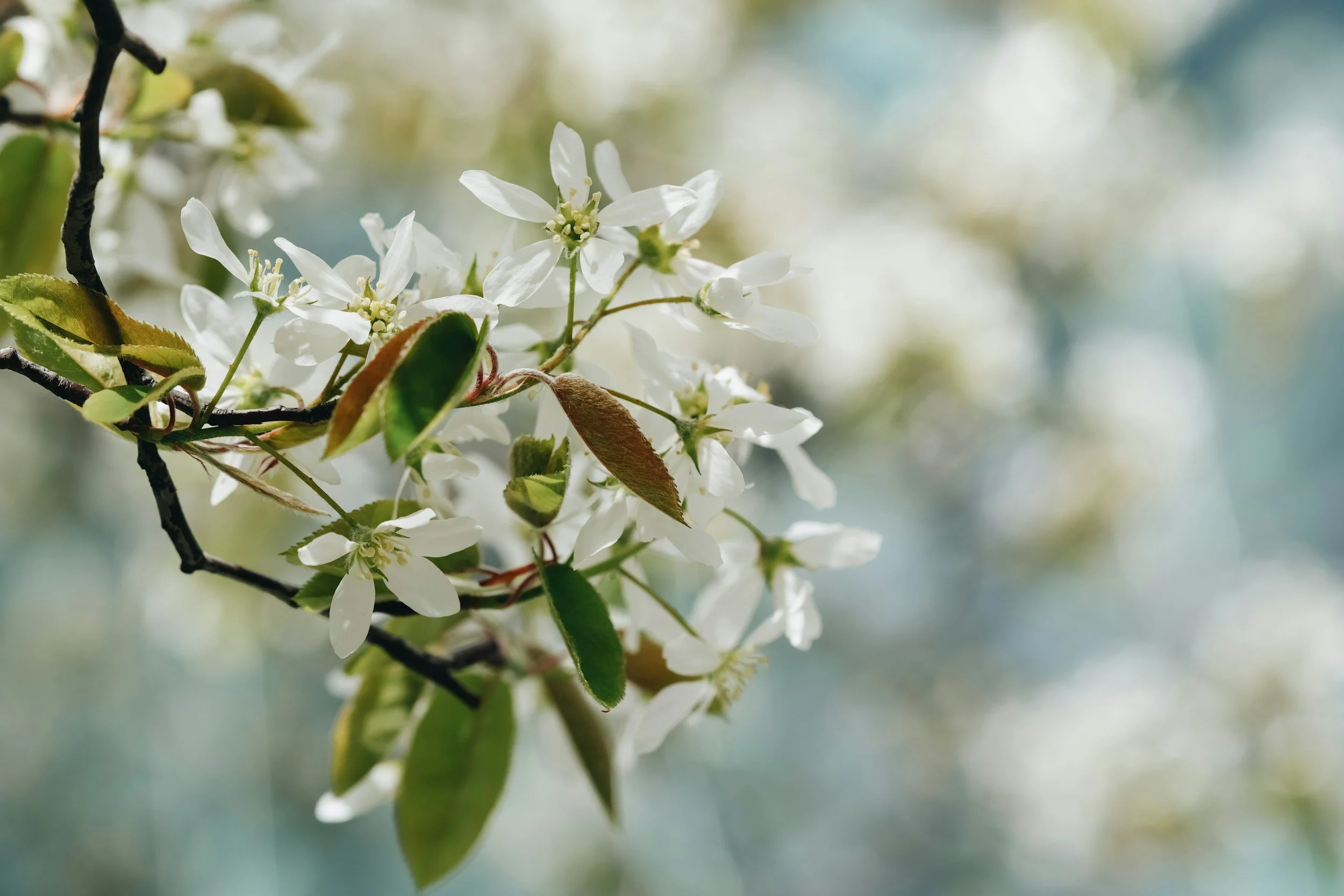
Serviceberry (Amelanchier canadensis): A true workhorse offering delicate spring flowers, delicious edible summer berries, and vibrant orange fall foliage.
High-Performance Perennials
Our perennial selections are chosen for their soil compatibility, their crucial support for pollinators, and their structural integrity through our long Vermont winters.
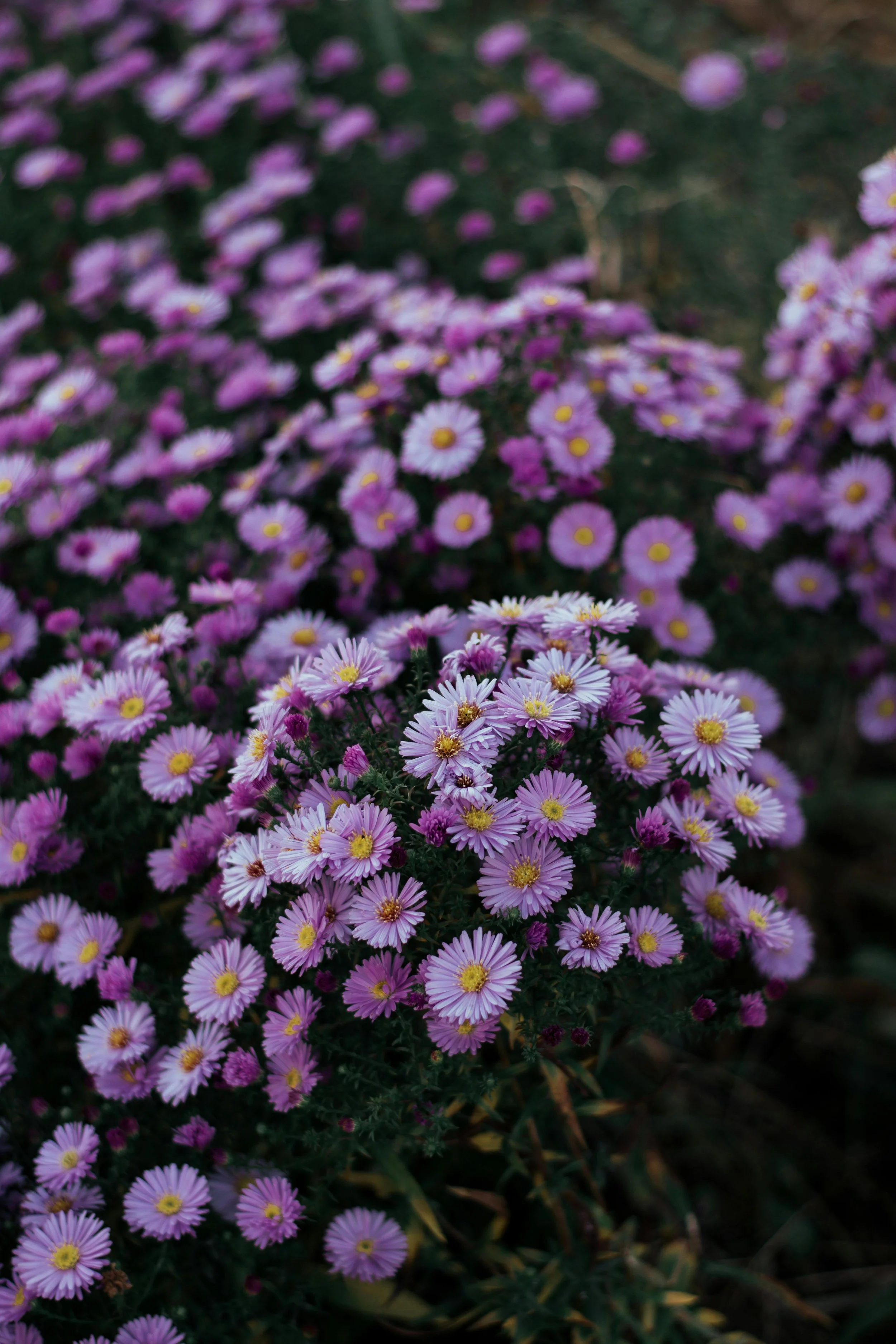
New England Aster (Symphyotrichum novae-angliae): These deliver vibrant purples just before the first frost, providing a vital "last meal" for pollinators.
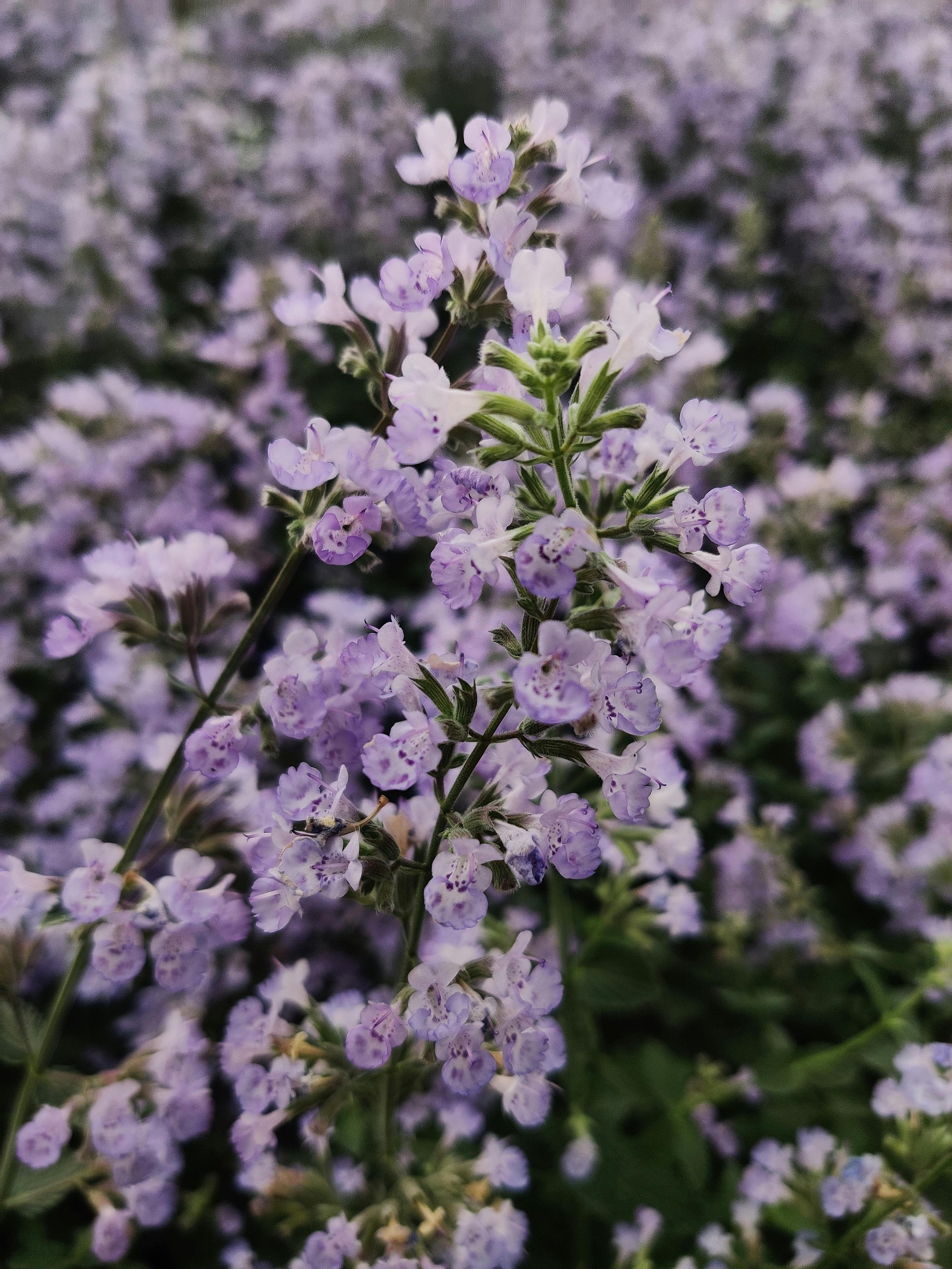
Walker’s Low Catmint (Nepeta x faassenii): A deer-resistant blue that maintains its color for months with almost no maintenance—a true garden hero.
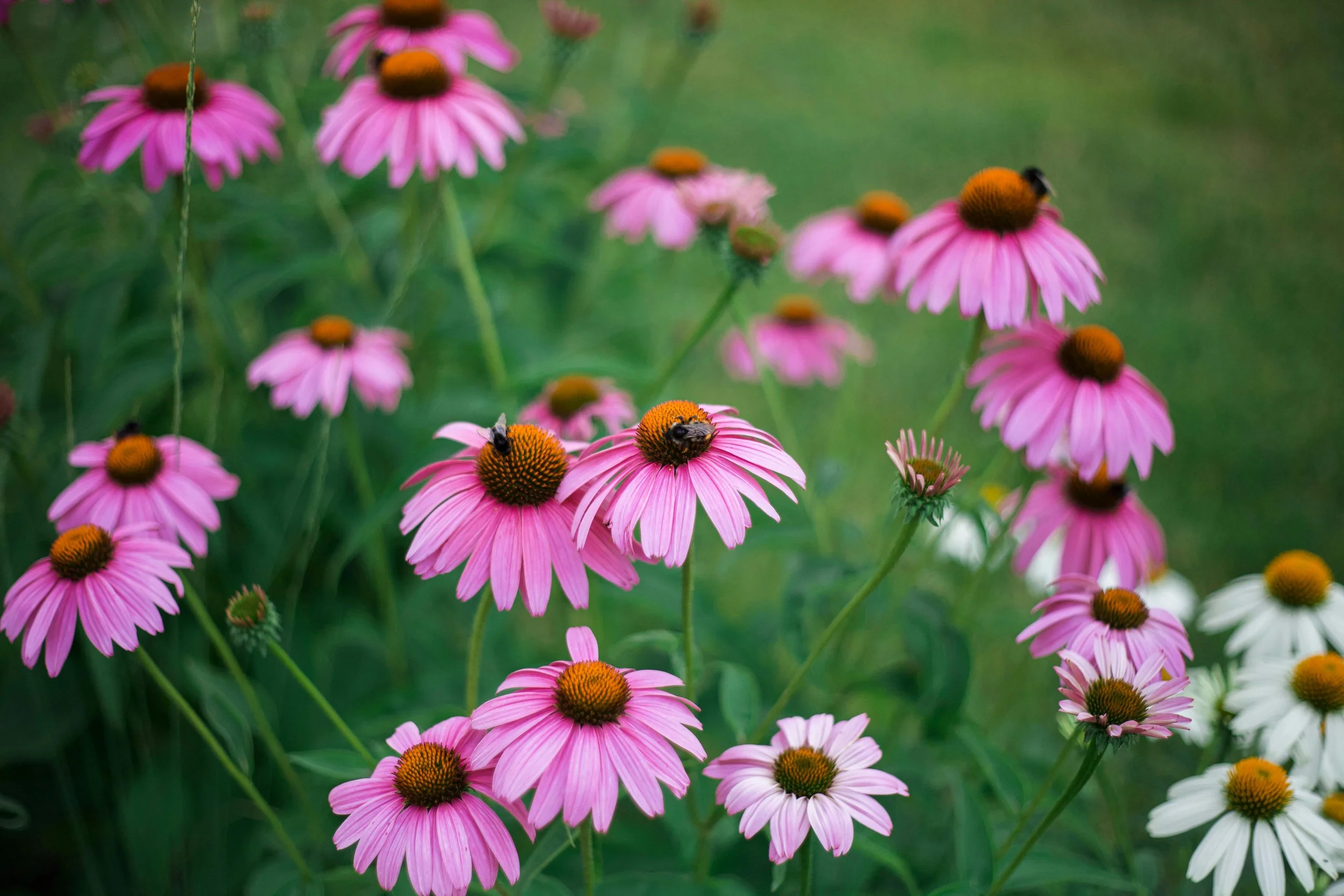
Purple Coneflower (Echinacea purpurea): A summer magnet for butterflies with architectural seed heads that remain attractive even after the petals fade, offering winter interest.
Ornamental Grasses
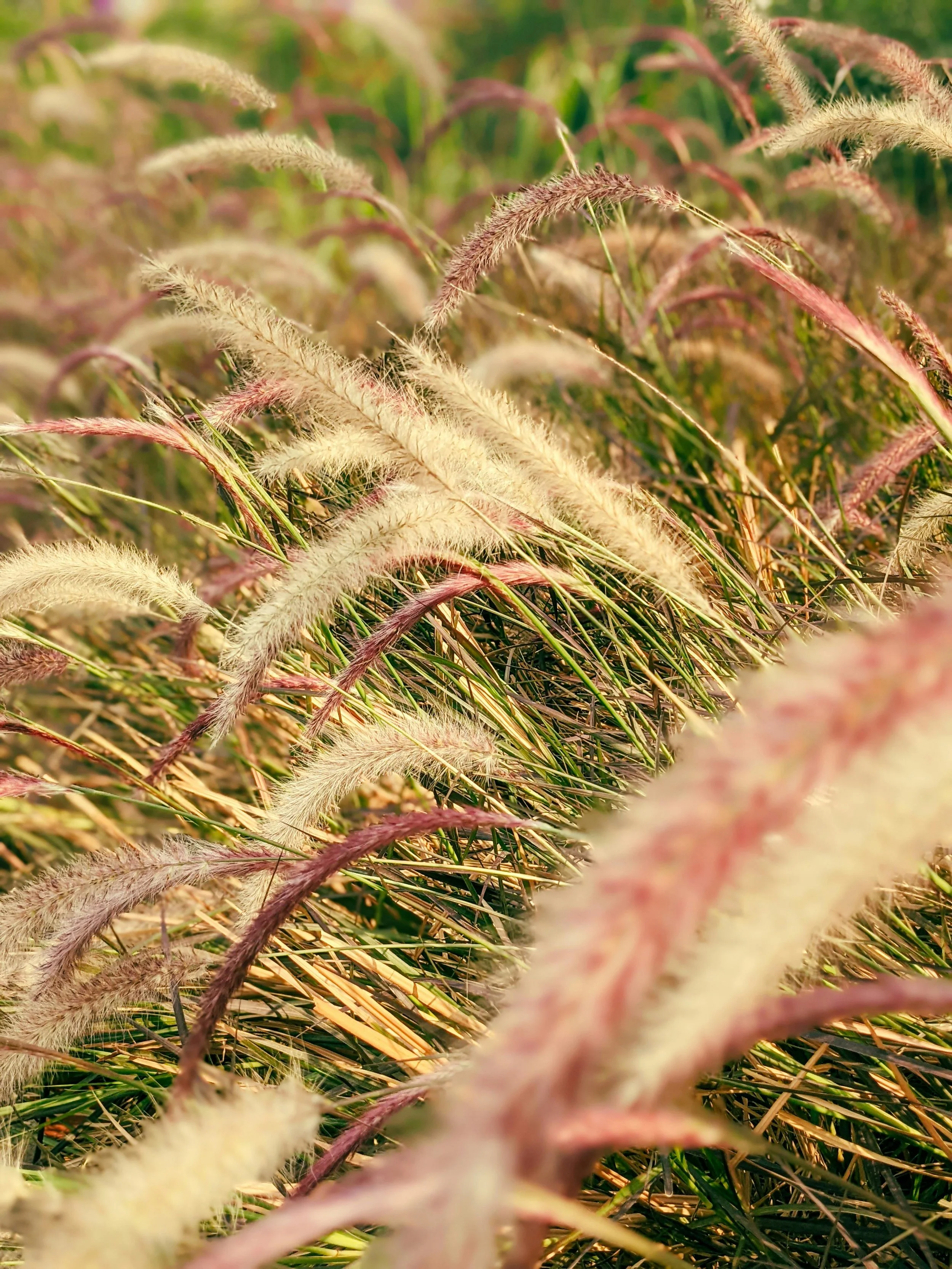
Grasses bring essential motion, soothing sound, and crucial winter architecture to your landscape.
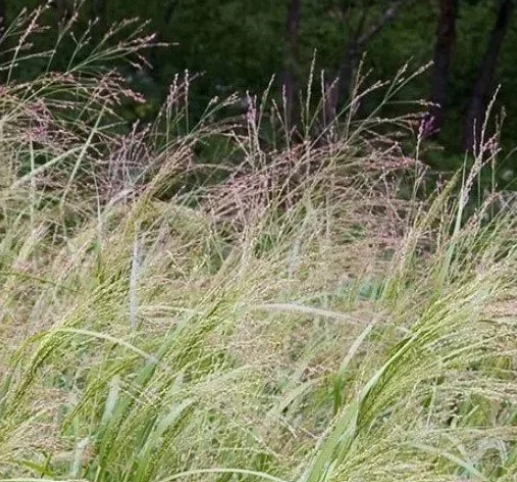
Switchgrass (Panicum virgatum): Upright and sturdy, it transforms into a warm amber in winter, providing shelter for birds and visual warmth.
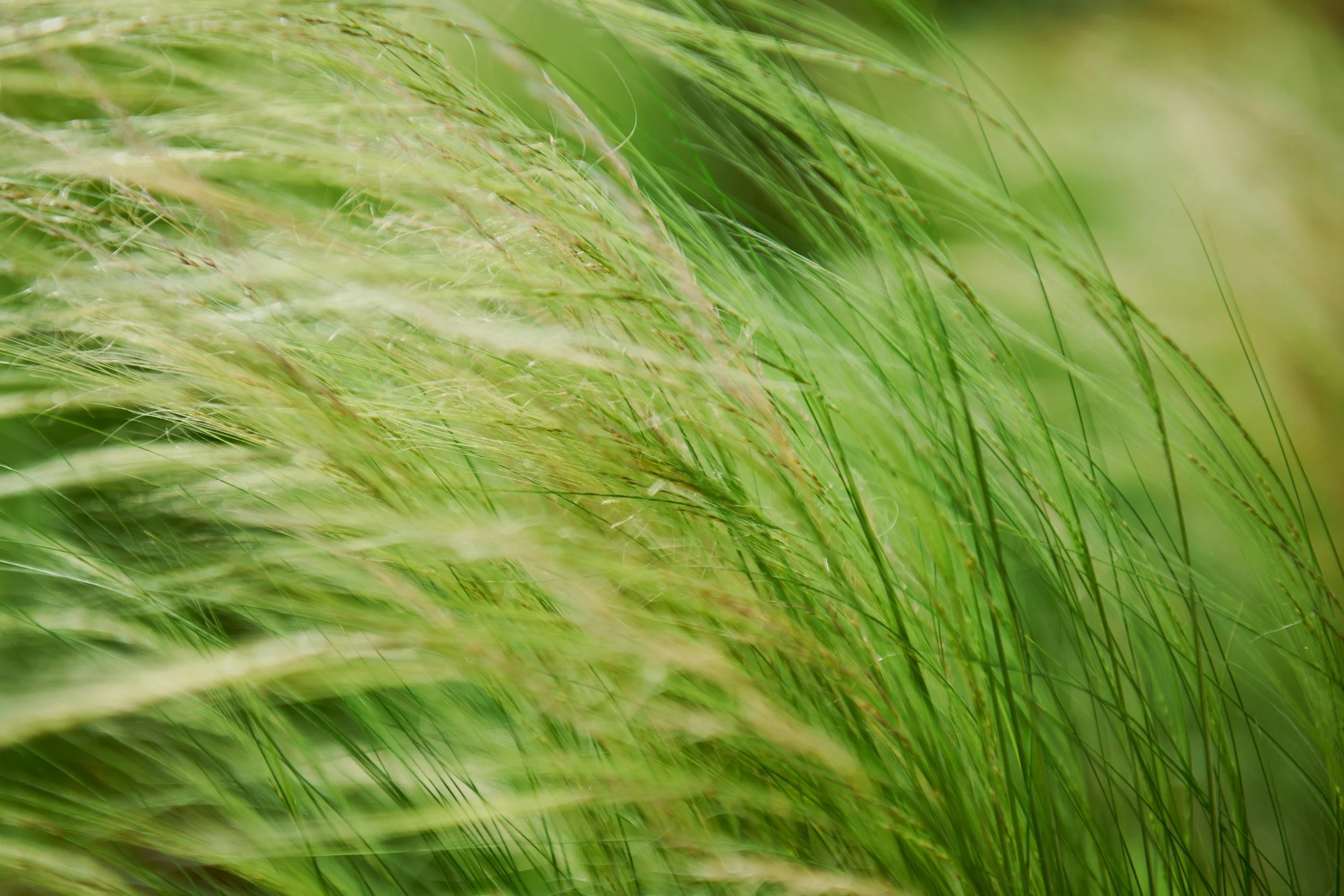
Feather Reed Grass (Calamagrostis 'Karl Foerster'): Its clean vertical lines add subtle modernity to mountain estates without sacrificing cold hardiness.
Little Bluestem (Schizachyrium scoparium): Blue-green summer blades shift to a rich mahogany red in fall. Its deep roots are excellent for stabilizing erosion-prone slopes.
Spring Ephemerals
Before the canopies leaf out, these woodland natives capture early sunlight and signal the end of mud season.
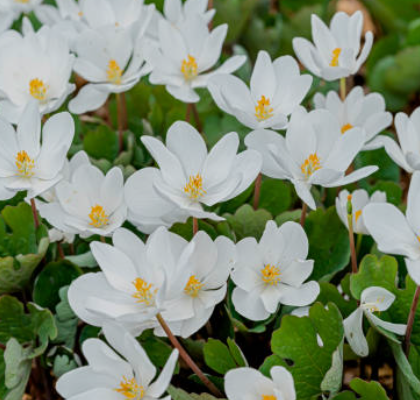
Bloodroot (Sanguinaria canadensis): A fleeting, pure white flower that signals the true end of mud season.
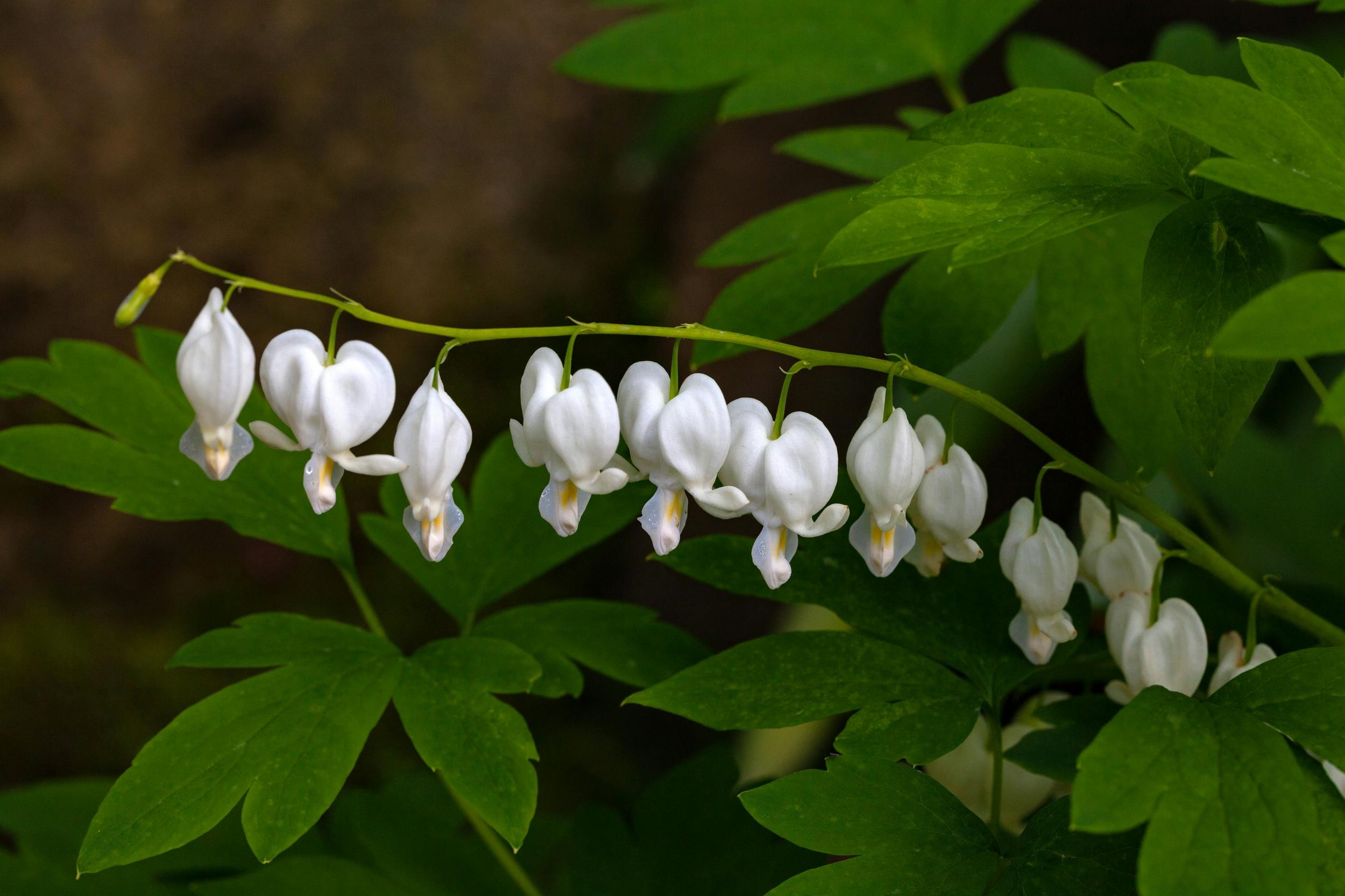
Dutchman's Breeches (Dicentra cucullaria): Unique blooms that thrive in the moist, rich soil at the edge of woodlands.
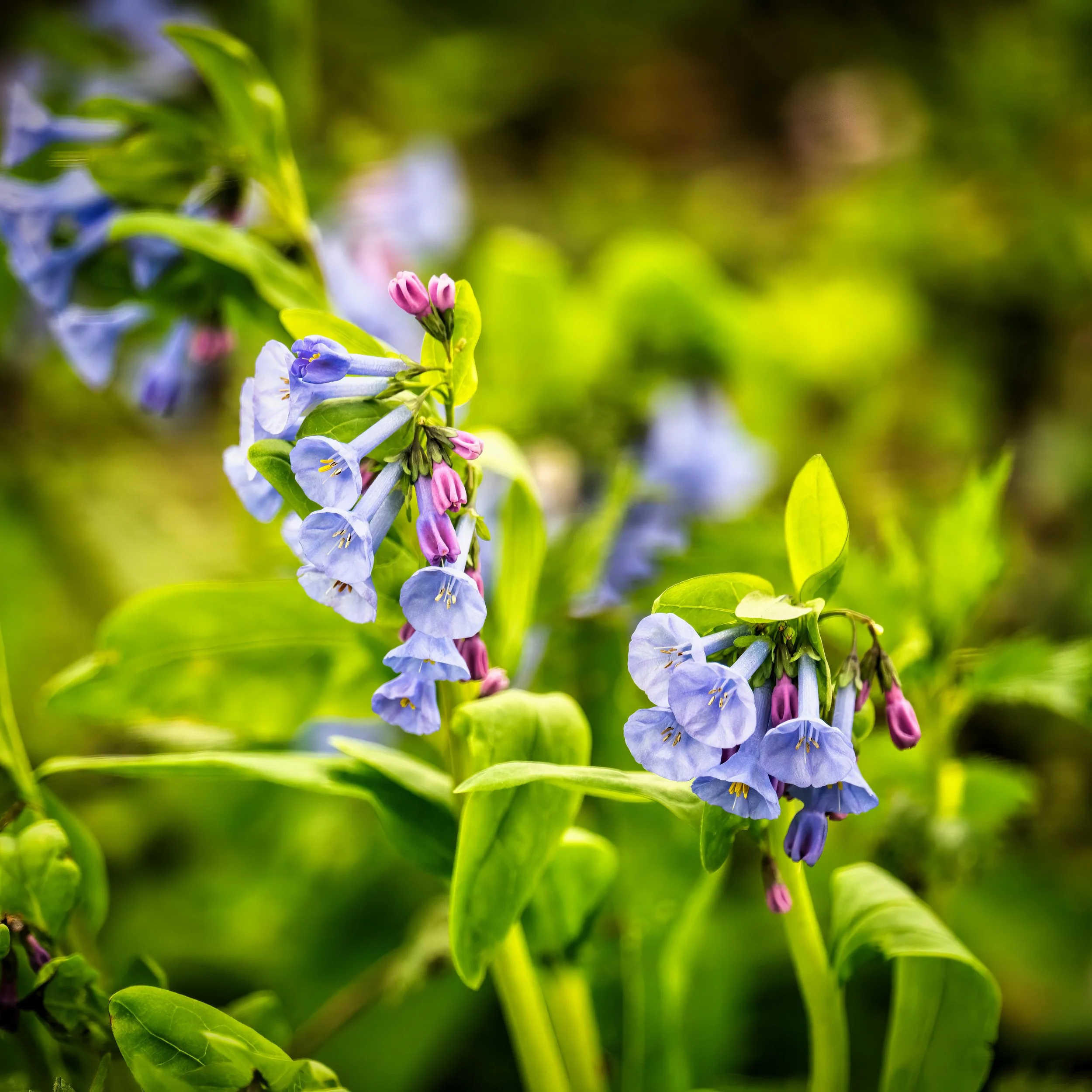
Virginia Bluebells (Mertensia virginica): Soft blue bells that are essential for a healthy mountain ecosystem.
Cultivating a Resilient Stowe Landscape
An exceptional landscape is more than a list of plants. It is the thoughtful orchestration of scale, microclimate, and spatial composition that transforms a planting list into a cohesive landscape. This highly calculated design ensures your property doesn't just look beautiful for a season but thrives for a lifetime.
Ready to Build Your Mountain Master Plan? At Williston Horticulture & Design, we don't just plant; we curate ecosystems. Get in touch to plan your Stowe landscape today.