The Plant Price Tag: Is Sustainable Landscape Design More Expensive?
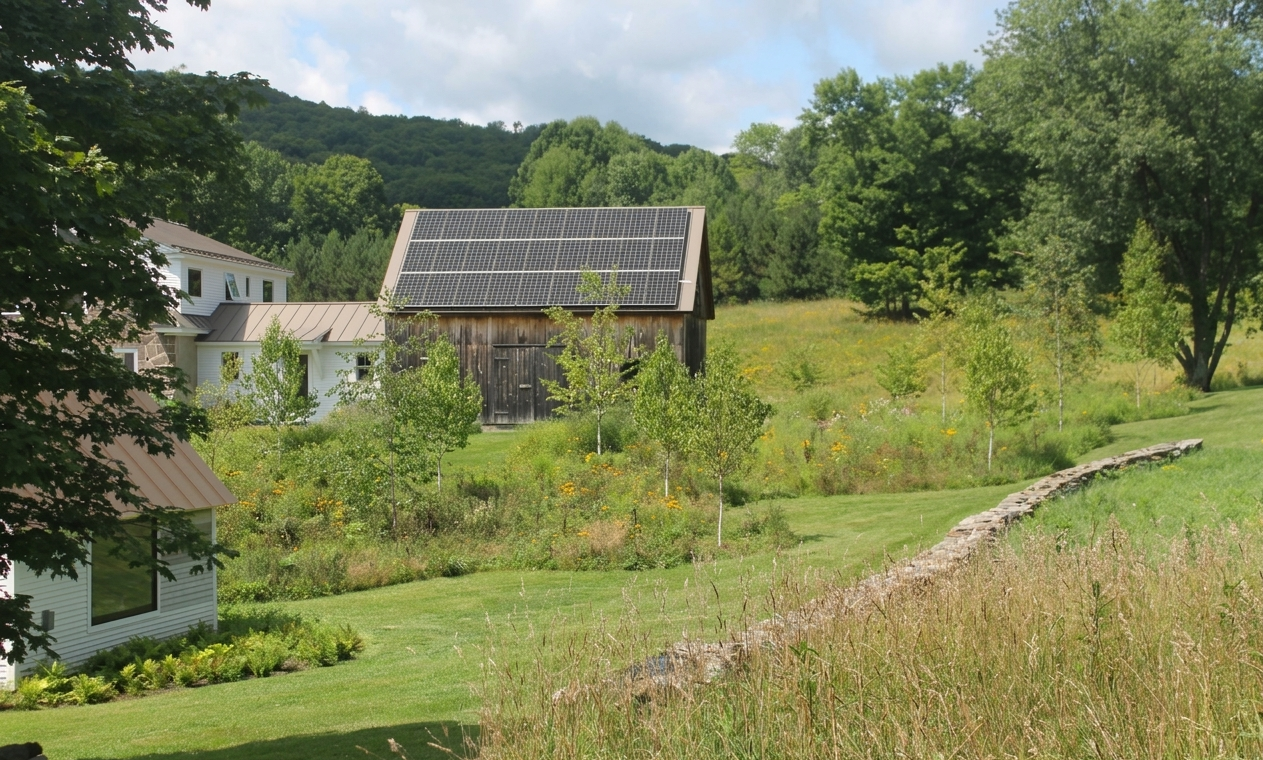
For homeowners in picturesque Stowe, Vermont, the dream of a thriving, beautiful landscape often comes with practical questions. As you envision your property nestled against the Green Mountains, perhaps you've started exploring Stowe Vermont landscape design options, and the concept of sustainable, native plant landscaping has captured your imagination. At Williston H&D, we champion a "right plant, right place" philosophy, which means while we prioritize native species for their ecological benefits, we also thoughtfully integrate well-behaved, non-invasive ornamental plants that are perfectly suited to Stowe's unique environment. A common concern arises when researching ecological approaches, many find themselves at a crossroads, wondering if going green with your landscape is actually more expensive. They see the price of specialty nurseries, the cost of organic soil amendments, and the professional fees for an ecological masterplan, and they ask the valid question: Is going green actually more expensive?
The honest answer? In the first year, yes. By the fifth year, it’s the best investment you’ve ever made for your property.
At Williston Horticulture & Design, we believe in radical transparency. As your dedicated landscape designer in Stowe VT, I am here to illuminate the true Return on Investment (ROI) of a sustainably designed landscape.
The Upfront Costs: Why the Buy-In Feels Higher
Sustainable design is a foundational investment in the long-term health and beauty of your property. For creating a truly resilient and beautiful landscape, whether focusing on native species or a thoughtful blend with ornamentals, there are two primary areas where you might see a higher initial investment:
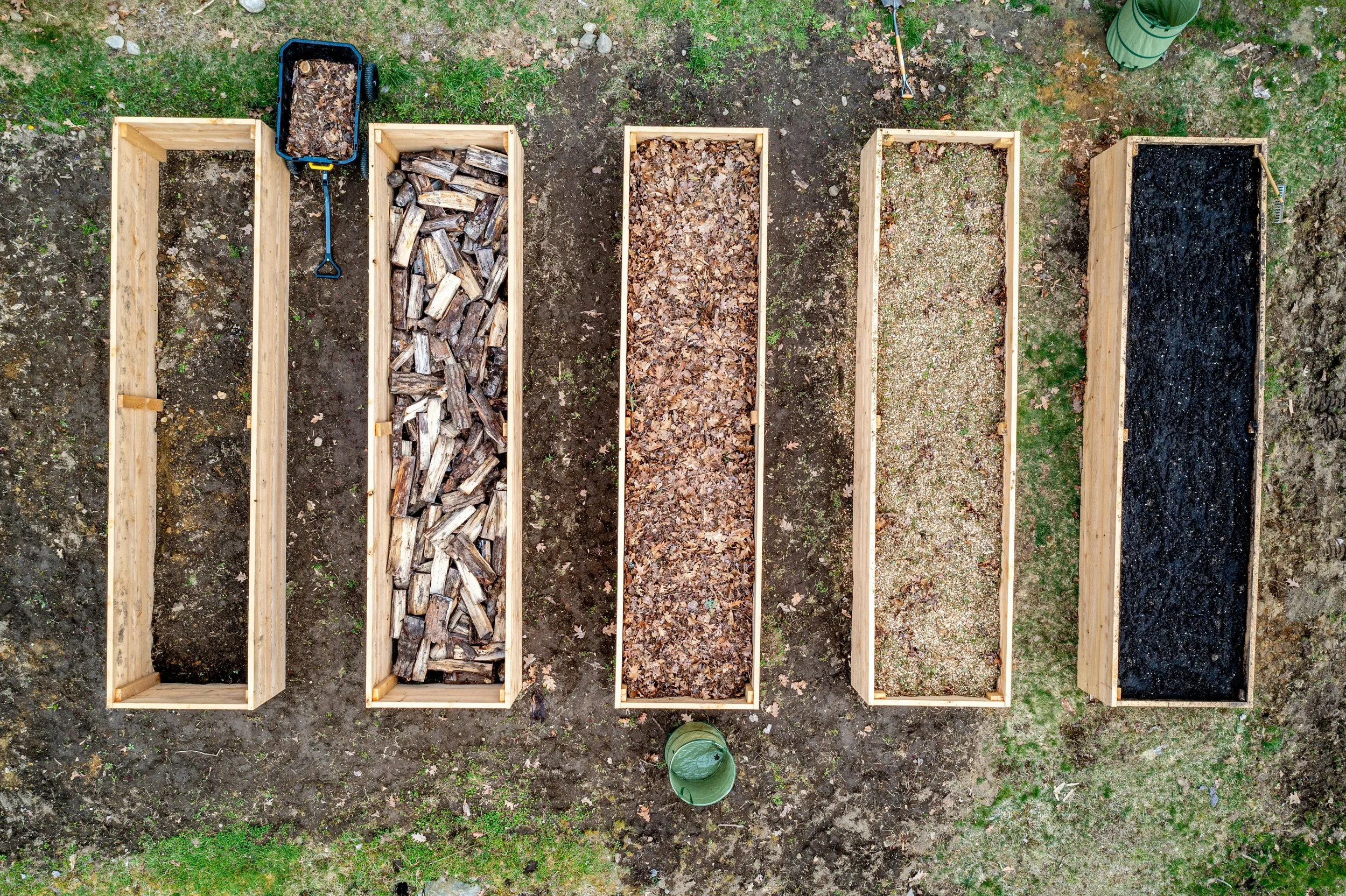
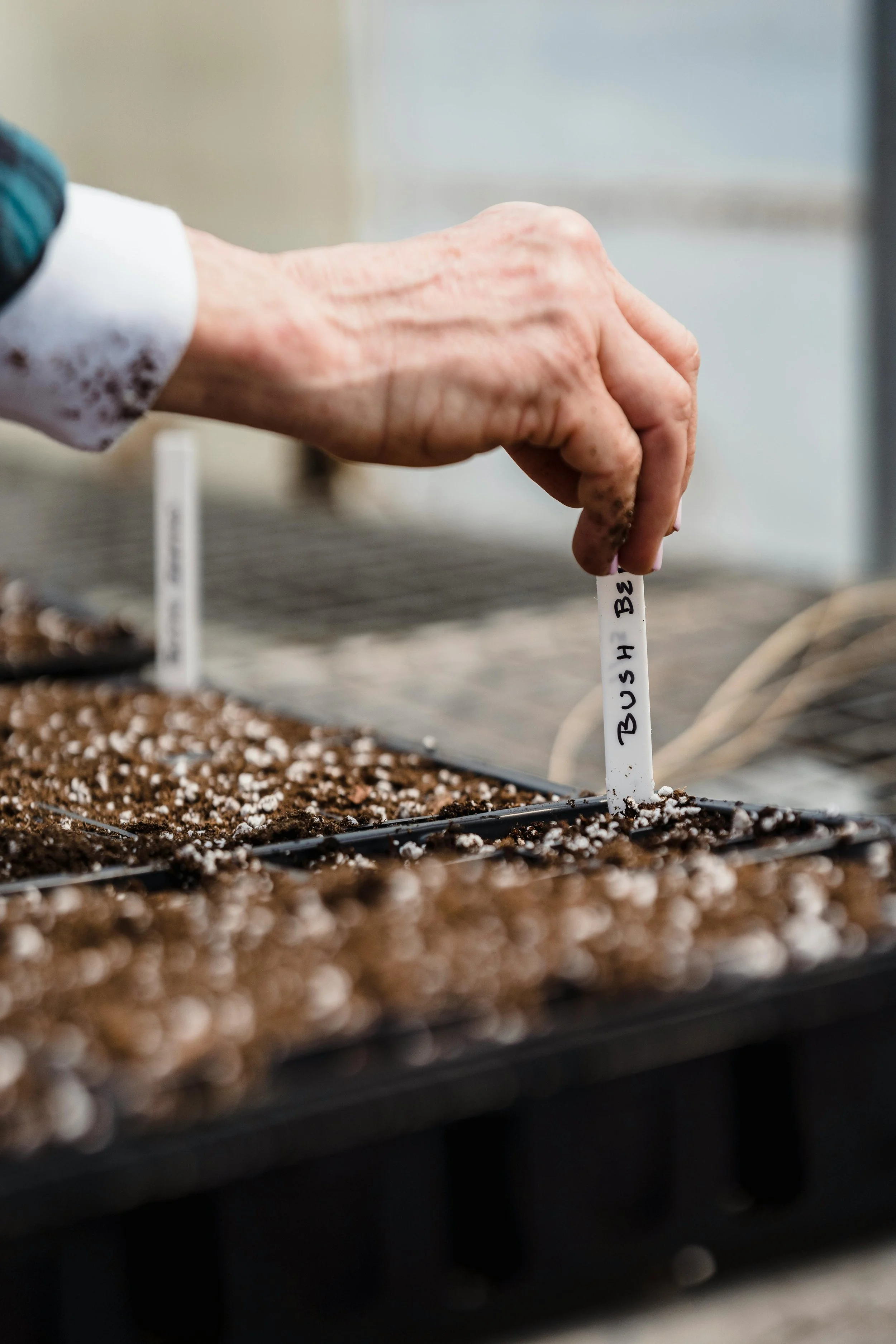
Specialized Soil Prep: Building a Foundation for Life. Conventional landscaping often relies on synthetic quick-fix fertilizers, a temporary solution that can degrade soil health over time. At Williston H&D, we don’t just select plants; we invest in the Soil Food Web. This might mean spending more upfront on high-quality compost, mycorrhizal inoculants, or mechanical aeration to undo years of chemical compaction. We are building a stomach for your garden so it can feed itself forever, creating a resilient base for your landscape.
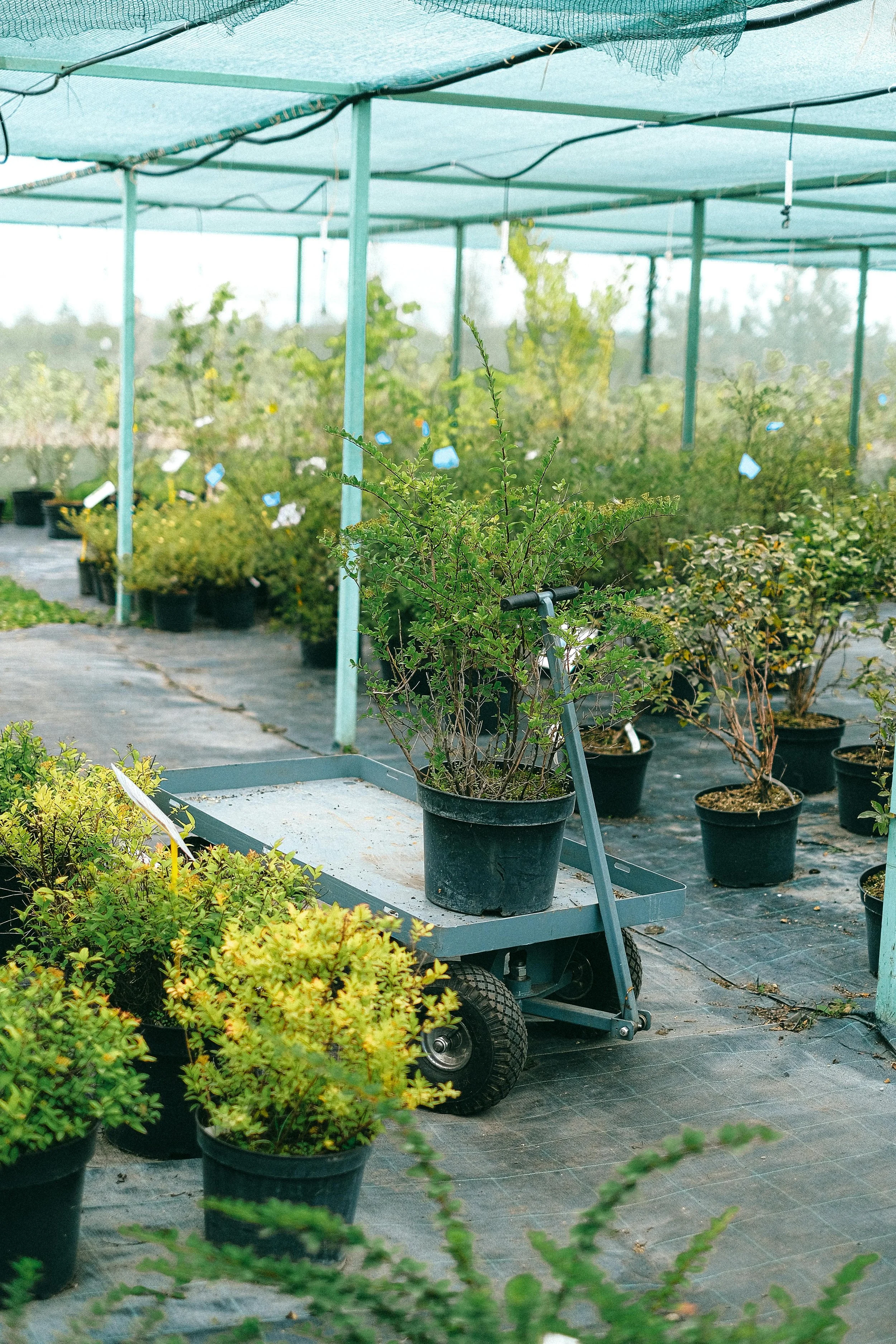
Sourcing Native Specimens: Curating Vermont’s Best. Because native plants haven't always been the industry standard, they can sometimes be harder to find in large sizes. Sourcing diverse species from specialty nurseries requires more logistics than a trip to a big-box garden center. This commitment ensures that every plant chosen for your landscape, be it native or a carefully selected ornamental, is genetically coded to thrive in Zone 4b planting zone found In the Stowe region. Plant selection is one of the biggest factors influencing both upfront and long-term costs. Our Stowe VT landscape design guide breaks down how to make smart planting decisions for this region.
The ROI: Where You Save (Thousands) in the Long Run with a Sustainable Landscape Design
While the setup costs are real, a sustainable landscape is designed to depreciate in cost and appreciate in value over time. Here is where your investment truly pays you back, year after year:
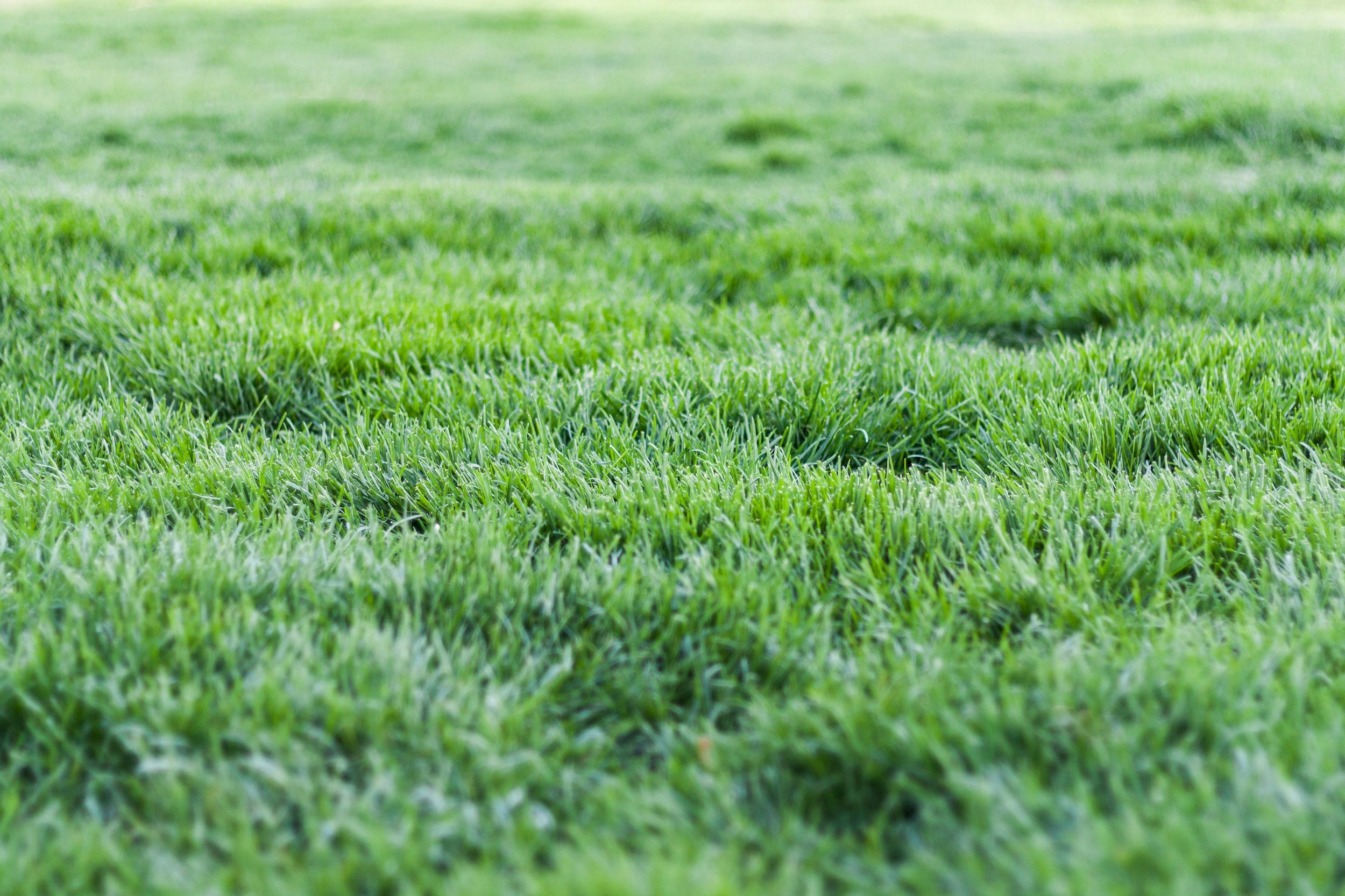
The Water Bill Disappears. Conventional turf lawns are notoriously thirsty, often requiring an inch of water per week just to stay green. Imagine the savings in Stowe, where summer droughts can still impact water usage. Native plants, once established (usually after 1–2 seasons), are genetically coded to survive on your local rainfall. A mature native landscape can reduce outdoor water usage by 50% to 70%, a significant and ongoing saving for your home. Sustainable landscapes depend on choosing the right plants for the environment, something we explain in our Stowe landscape design approach guide.
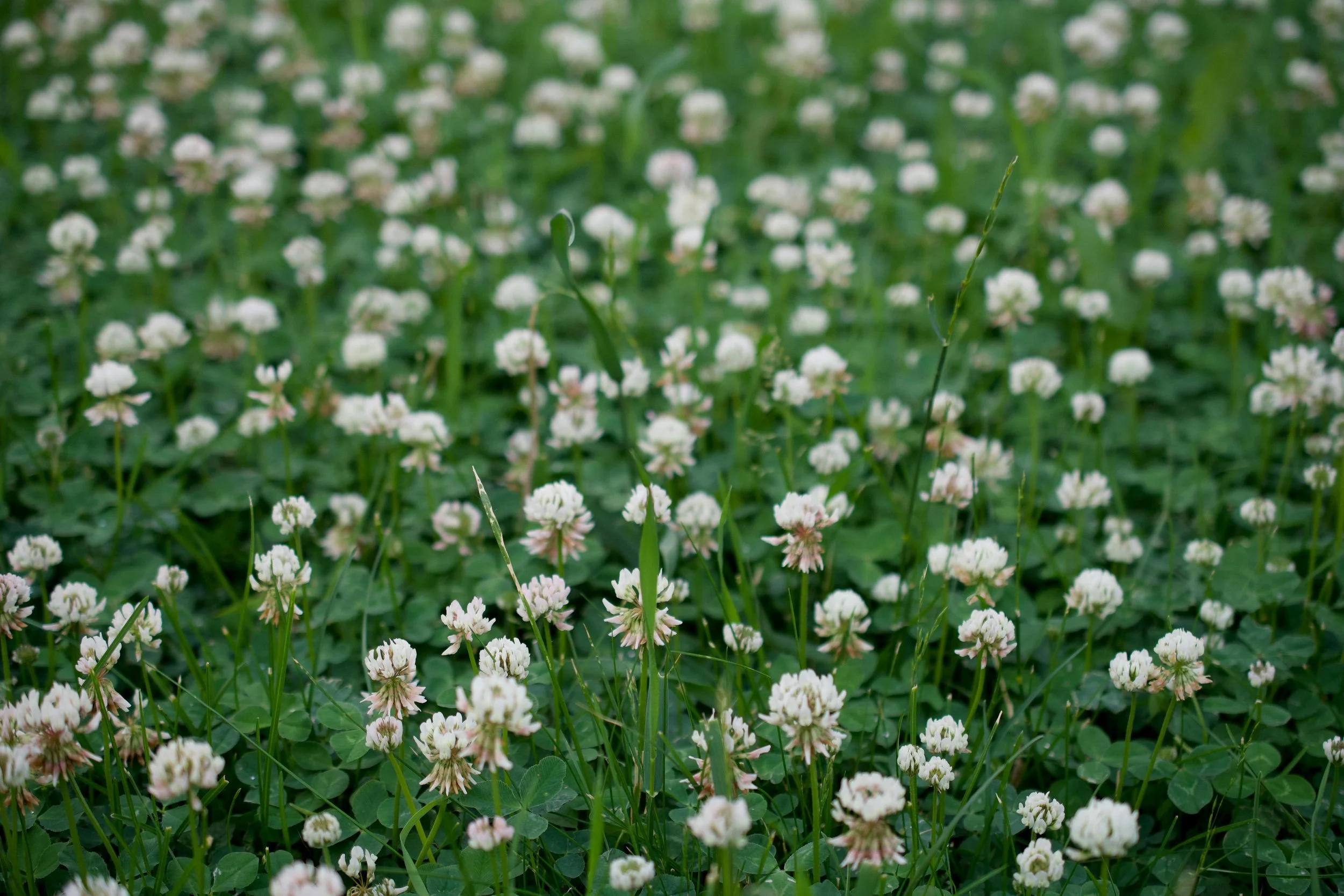
Zero Chemical Inputs. Sustainable landscapes are designed to be self-regulating ecosystems. When you plant a diverse native palette, you attract beneficial insects (like ladybugs and lacewings) that manage pests for you. You no longer need to pay for seasonal crews to spray synthetic pesticides or herbicides. Those recurring $200–$500 monthly maintenance bills start to vanish, freeing up your resources and protecting the pristine environment of Stowe.
Reduced Replacement Costs. The death rate of conventional landscapes is surprisingly high. Why? Because we often try to force plants into climates where they don't belong. Native plants are resilient; they are built for your local humidity, your late frosts, and your specific soil pH. You aren't replacing dead shrubs every three years; you’re watching them thrive for twenty.
Increased Property Value: The Eco-Luxury Advantage. In 2026, "Eco-Luxury" is a major selling point, especially in sought-after areas like Stowe. Prospective buyers are increasingly looking for homes with low-maintenance, drought-tolerant yards and established private sanctuaries. A mature, ecologically-sound garden, designed by a skilled landscape designer Stowe VT, is a unique asset that sets your home apart in a crowded market, offering both aesthetic appeal and environmental responsibility.
The Verdict: Maintenance vs. Stewardship
Conventional landscaping is a subscription model you have to keep paying (water, chemicals, labor) just to keep it from dying. It's a continuous drain on resources with diminishing returns.
Sustainable design, whether primarily native or a thoughtfully integrated approach, is an equity model. You invest in the bones of the system today, and the garden pays you back in beauty, resilience, and lower bills for decades to come. It's an investment in the future of your property and the health of the local ecosystem.
If you're planning a project, start with our complete Stowe VT landscape design guide to understand how planting, cost, and long-term performance all connect. Explore what’s possible for your property.