Wait, Your Garden will thank you.
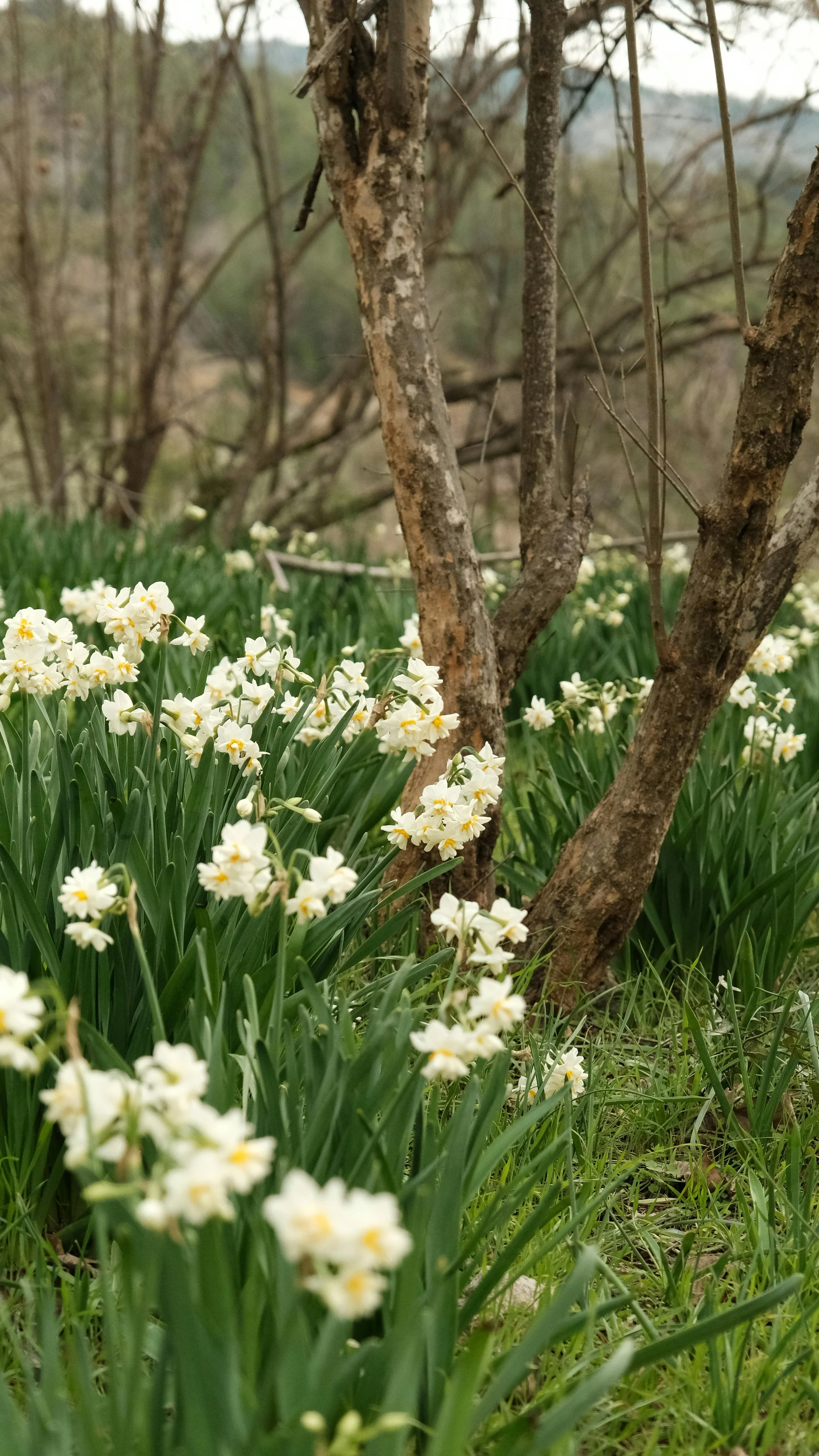
The snow is finally melting, and the days are getting longer. It's tempting to grab the rake and start tearing into those dead leaves the second the ground shows through. Most people think spring cleaning has to happen right now. At Williston Horticulture & Design, we don't buy that. We've seen that holding back for a few weeks does more for your yard than any bag of fertilizer ever could. Take a look at what's happening on your property before you start that spring clean-up.
The bugs are still sleeping
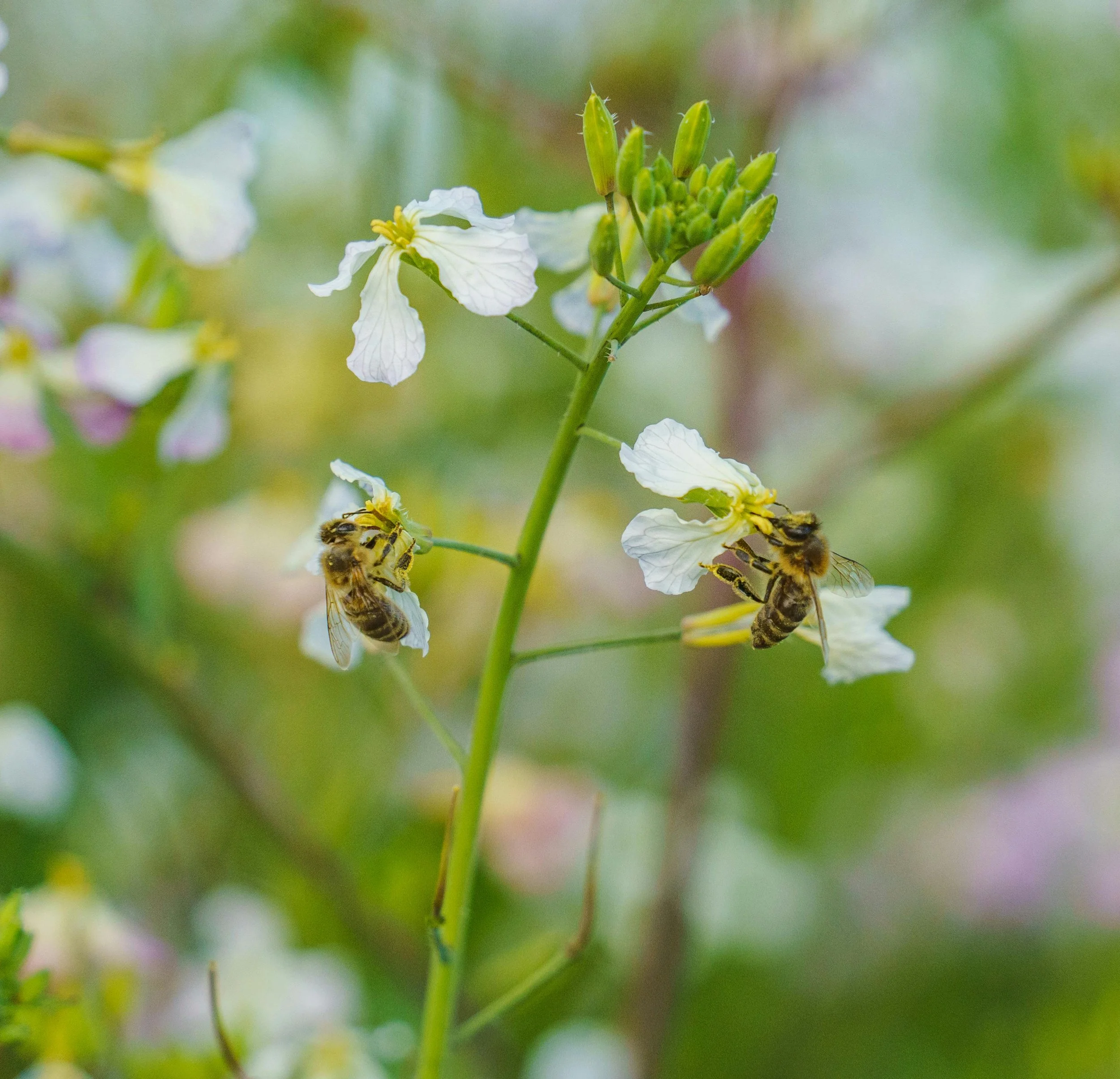
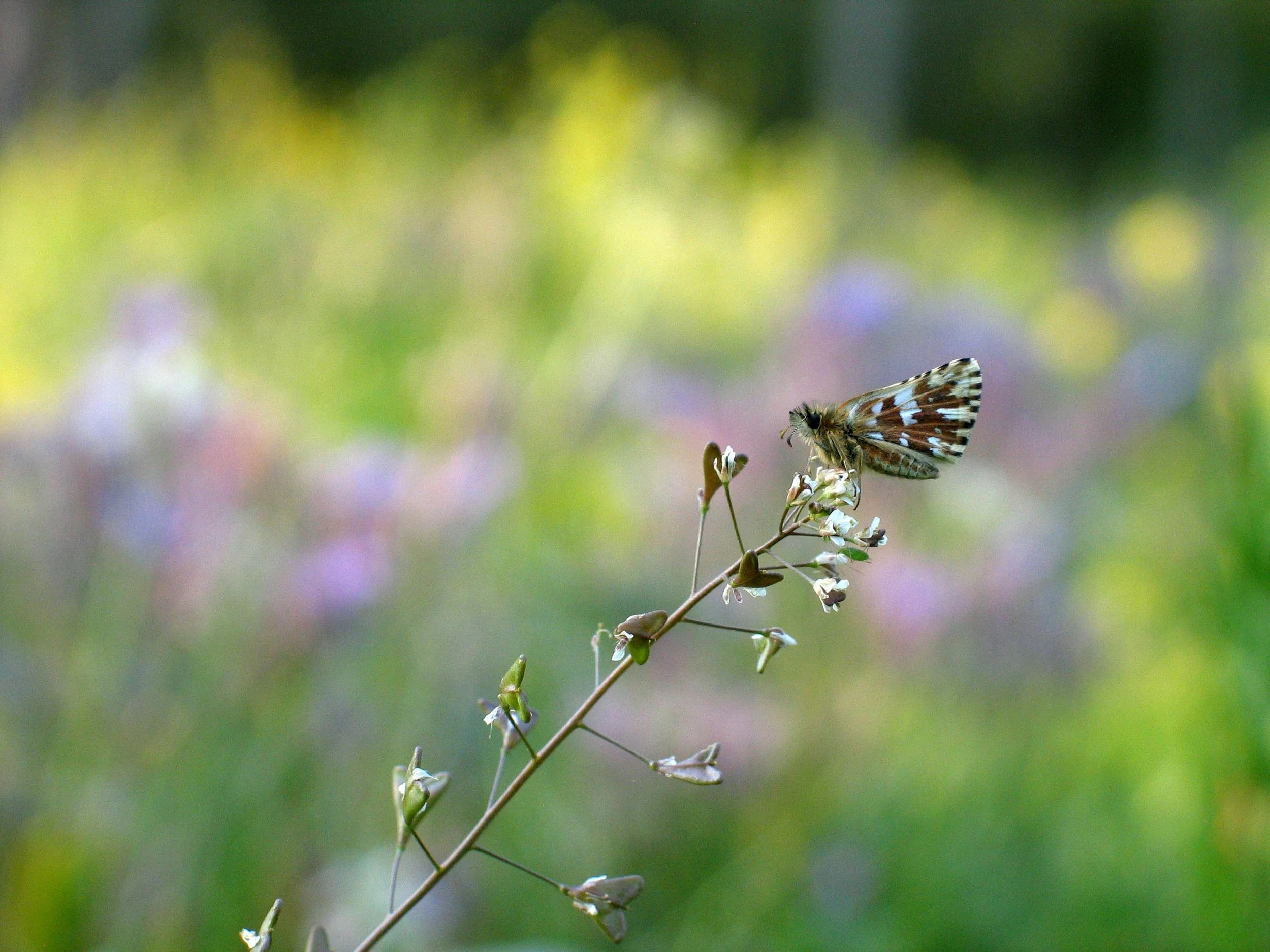
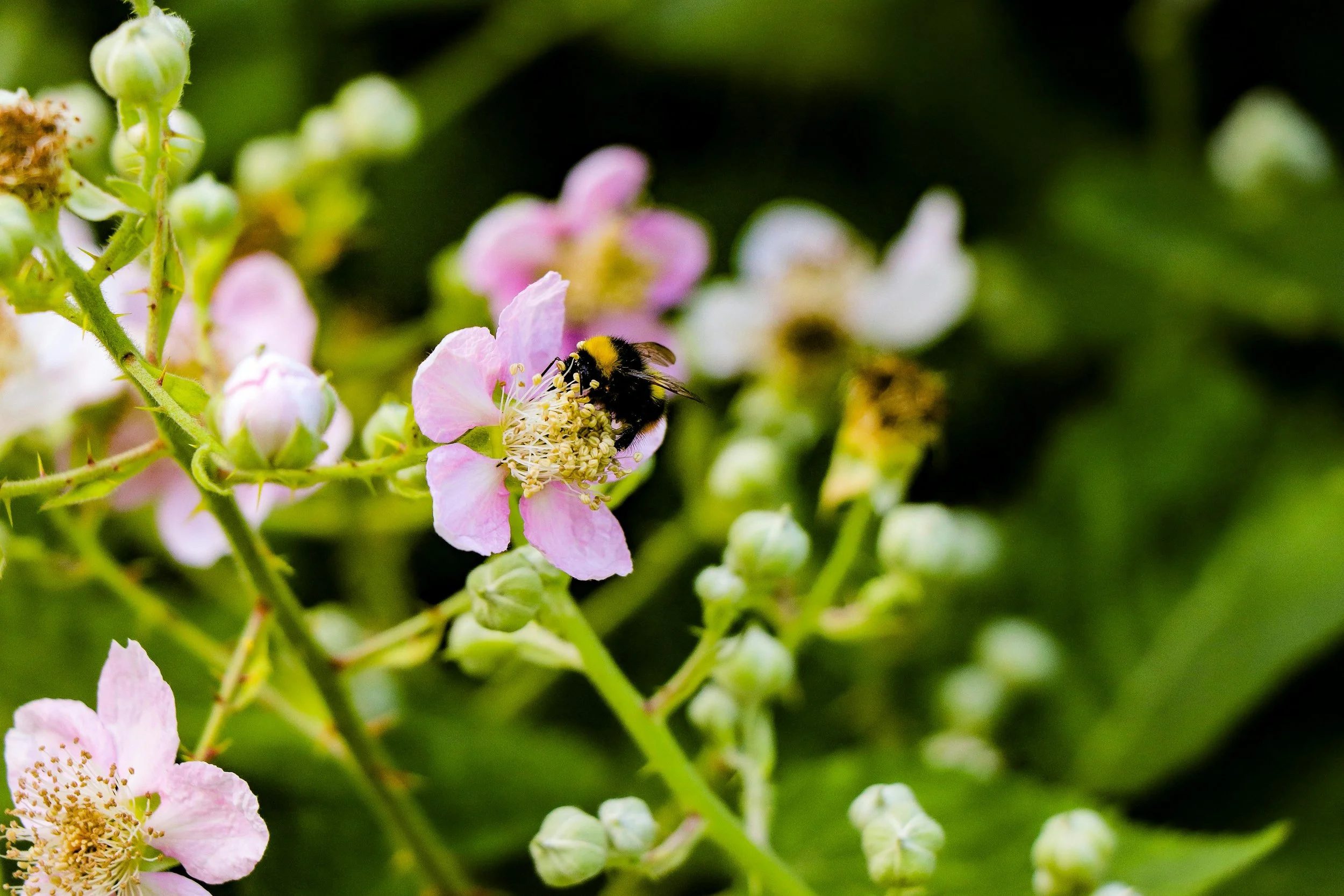
That pile of brown leaves isn't just trash. It's a house. Native bees, butterflies, and all sorts of beneficial insects are tucked away in those hollow stems and leaf piles right now. They don't wake up just because the sun came out for a day. They need it to be a steady 50 degrees before they can safely move out. If you clean up in early April, you're basically throwing your best pollinators in the yard waste bin.
Wait until May. Your flowers will have plenty of help when they finally bloom.
Feed the dirt first
Our Soil to Stem approach is pretty simple: if the dirt is happy, the plants are happy. Those old leaves and dead stalks are actually feeding the microbes and fungi that live underground. When you let that stuff sit, you're letting nature handle the heavy lifting.
Those tiny workers do a lot:
They break down old plants and turn them into food your perennials can actually use.
They open up the soil so roots can breathe, and water doesn't just sit on top.
A healthy soil community can even fight off diseases on its own.
By not rushing, you're building a yard that doesn't need constant help. It's a self-sustaining setup that works with the Vermont climate instead of fighting it.
The Vermont way of doing things
Living in Vermont teaches you a lot about waiting. We don't just pick plants that look good in a catalog; we pick what belongs here. "Right plant, right place" is a rule we live by, but it's also about the right time. Choosing native plants is the first step but knowing when to leave them alone is just as important.
Here's how we look at a spring landscape:
Watch how the water moves across your lawn as the frost comes out.
Leave some of those stems standing a bit longer, they look good and the bugs still need them.
Focus on native species that know how to handle a late frost, then mix in some tough ornamentals to keep things interesting all year.
Rushing to tidy up usually does more harm than good. The art of "un-tidying" is really just about being a good steward of your land. Sometimes that means doing absolutely nothing for an extra two weeks.
Let the ecosystem do its thing
Try a little restraint this spring. Waiting a bit longer makes a massive difference for the pollinators and the soil life that keeps your garden going strong. It's a small shift in how you think, but the results show up in how healthy your plants look by mid-summer.
Williston Horticulture & Design builds landscapes that fit the spirit of our region. We're happy to stop by, walk your property with you, and talk about what we can do to make your yard look its best.
Want to see what's possible for your property?
We're booking consultations for the upcoming season right now. Whether you're in Stowe, Williston, or anywhere in between, we can help you build a landscape that actually works with nature. Reach out to start the conversation—we'd love to take a look at your yard and share some ideas.