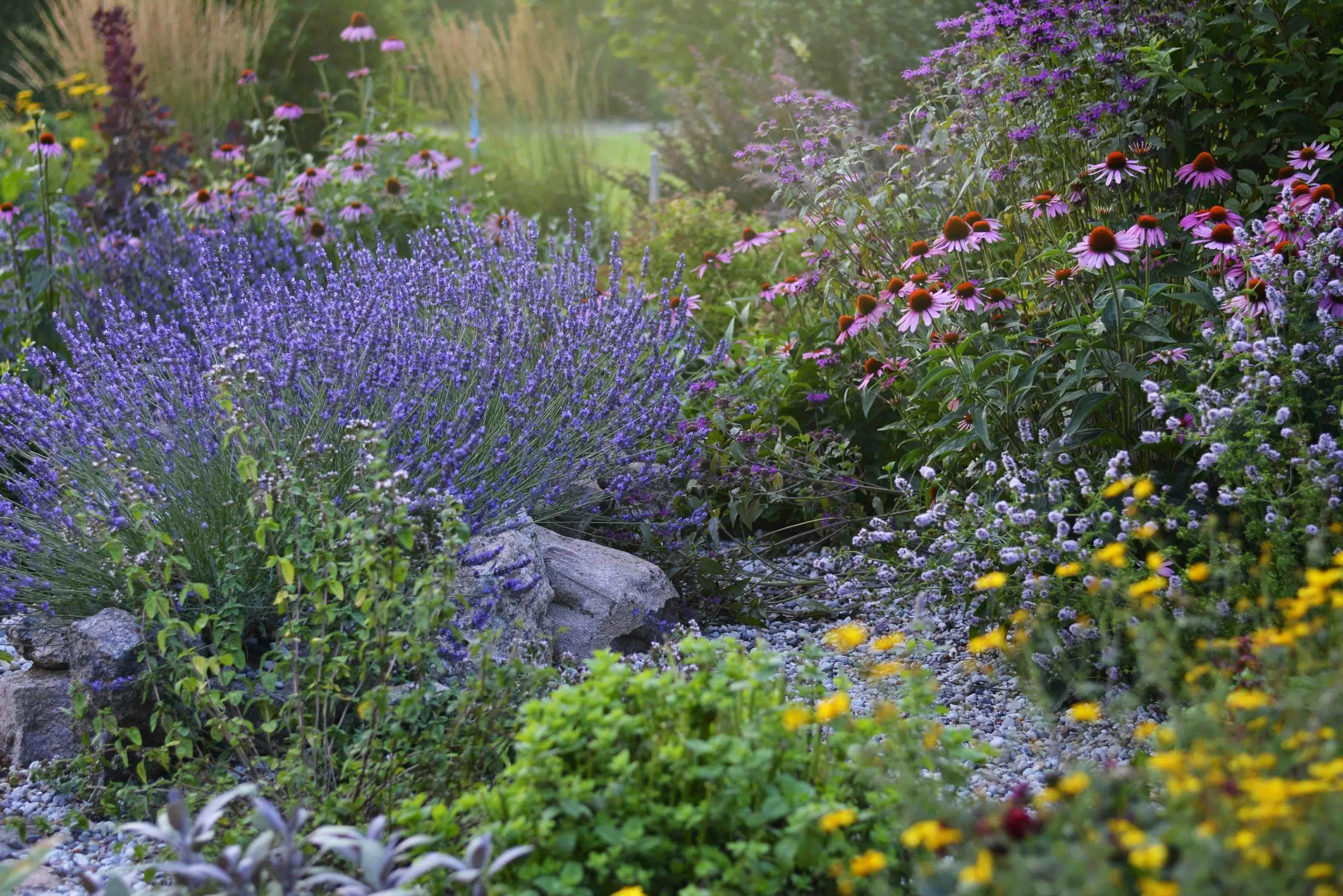
Arranging a yard isn't just about picking pretty plants. I'm building a living space. Most people I talk to are focused on how tall a shrub gets or if the flowers will bloom in July. I always tell them to look at color first. It’s the most powerful tool we have to get pollinators into your yard. If you use it right, you get a garden that isn't just nice to look at, it actually works for the bugs and birds that keep Vermont green.
To design for bees and butterflies, you have to see like they do. Their eyes don't work like ours. We can use that to lead them exactly where we want them to go.
How bugs see your yard
It helps to know what your visitors are actually looking for. Bees are the heavy lifters of the garden. They love blues, purples, and yellows. They can't even see red. To a bee, a red poppy is basically invisible. Butterflies see more than we do. They go for the bright stuff: reds, oranges, pinks, and purples that pop against the green leaves. Then you have hummingbirds. Those tiny guys are famous for loving red and pink, especially flowers shaped like tubes that fit their long beaks.
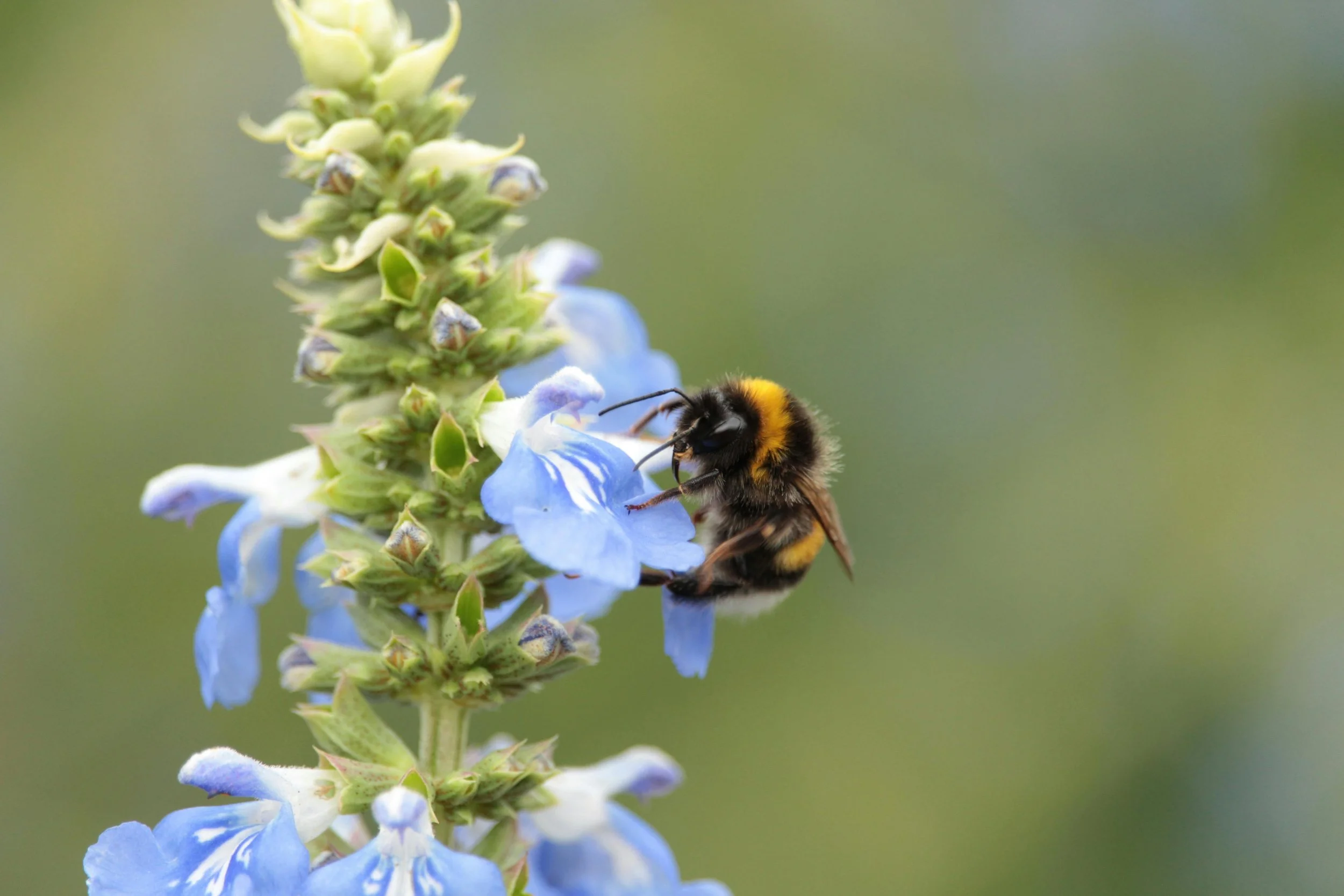
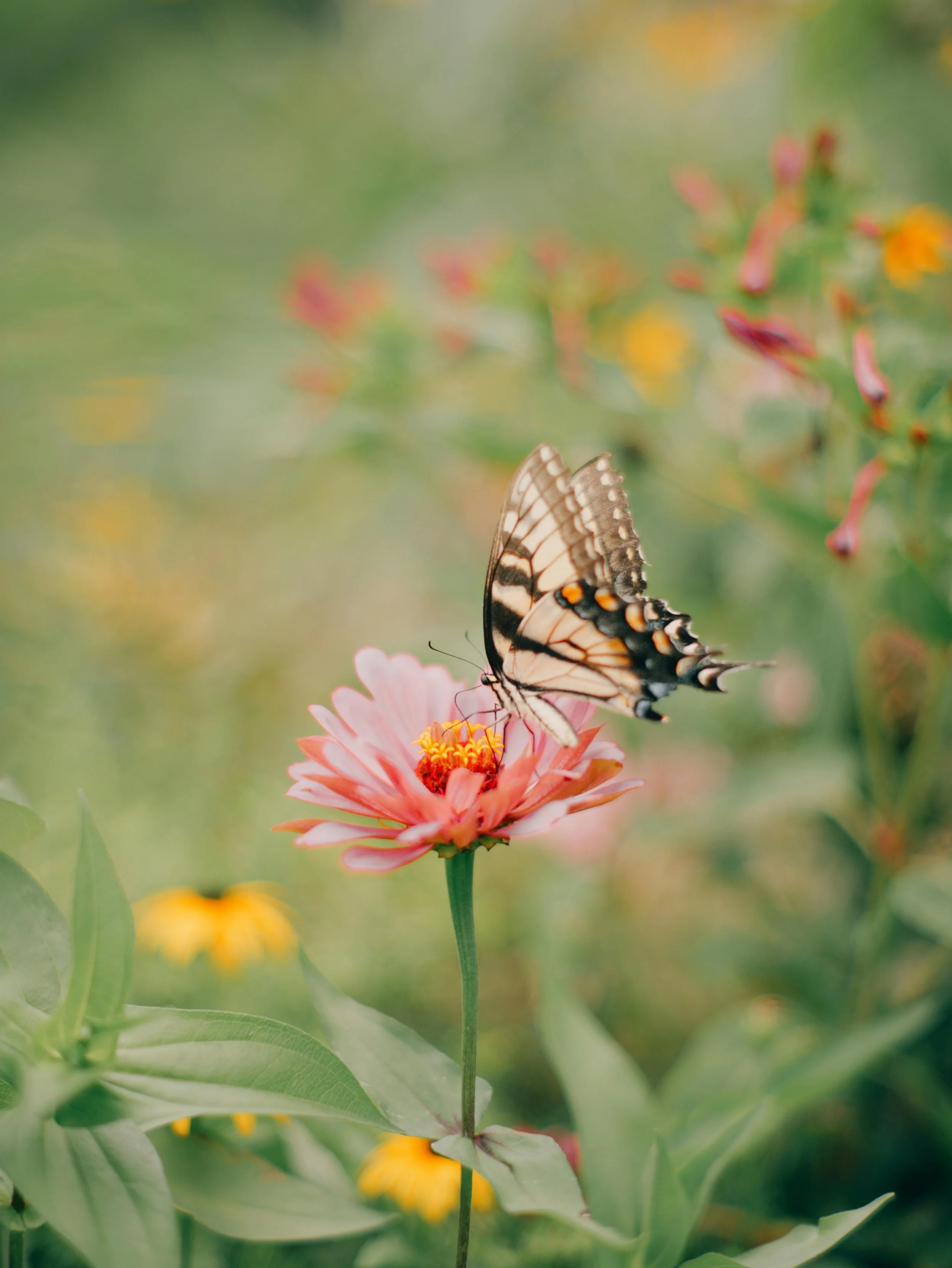
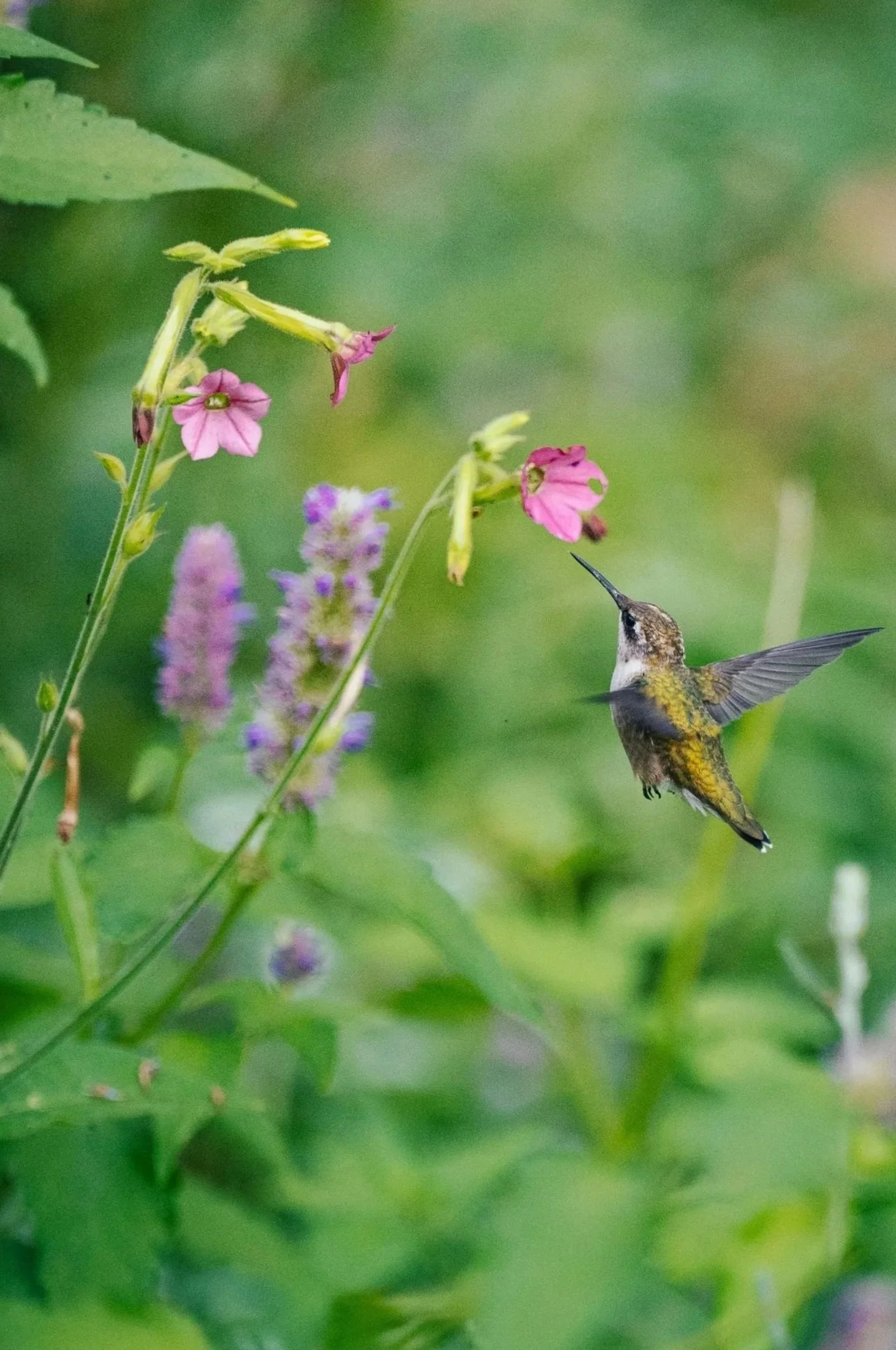
My best advice? Group these colors together. It creates a target they can't miss.
Color is the road sign
I look at a garden like a map of nectar highways. Color is the signage that tells the traffic where to pull over.
When you group flowers of the same color, you’re sending a loud signal. It makes it way easier for a bee to spot lunch from across the yard. I like to put a bright orange flower right next to a patch of purple. That contrast acts like a landing strip, catching the eye of different species and moving them through the whole space.
It's also smart to layer your heights:
Put the tall stuff in the back so the colors don't get hidden.
Use medium clusters in the middle to fill the gaps.
Keep the low-growers up front where they're easy to reach.
This simple setup makes sure your brightest spots are visible from every angle.
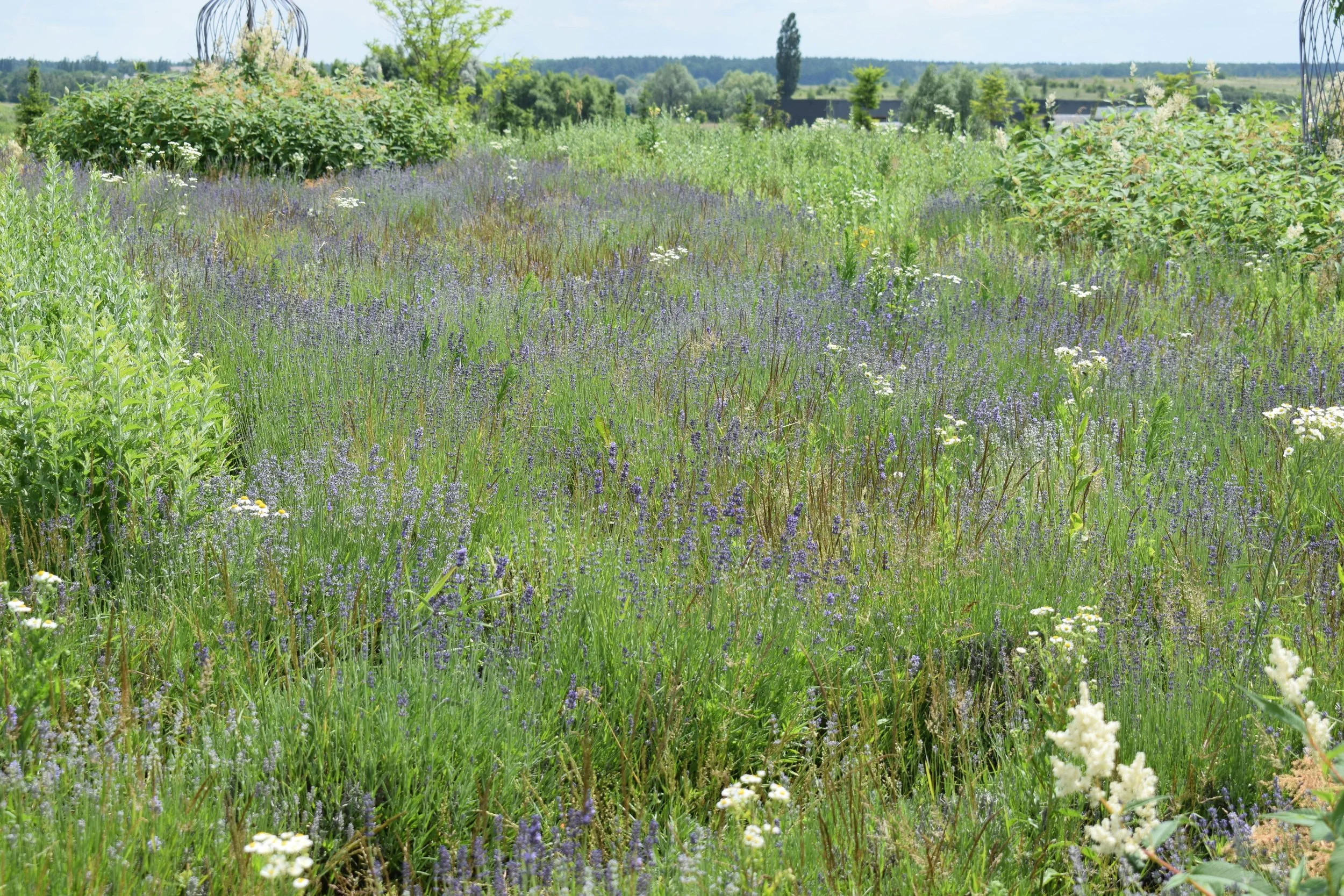
Keeping the kitchen open all year
A good pollinator garden has to work for more than just a few weeks in June. I want something blooming from the first thaw until the ground freezes again. This is where choosing native plants really matters.
In early spring, things like Serviceberry or purple Crocus give bees a head start after a long winter. By summer, the main event starts with Bee Balm and Echinacea drawing in a huge crowd. But don't forget the fall. When everything else is fading, yellow Goldenrod and purple Asters are life-savers for bugs getting ready for winter or migration.
By mixing up the timing, your yard stays a busy habitat for the long haul.
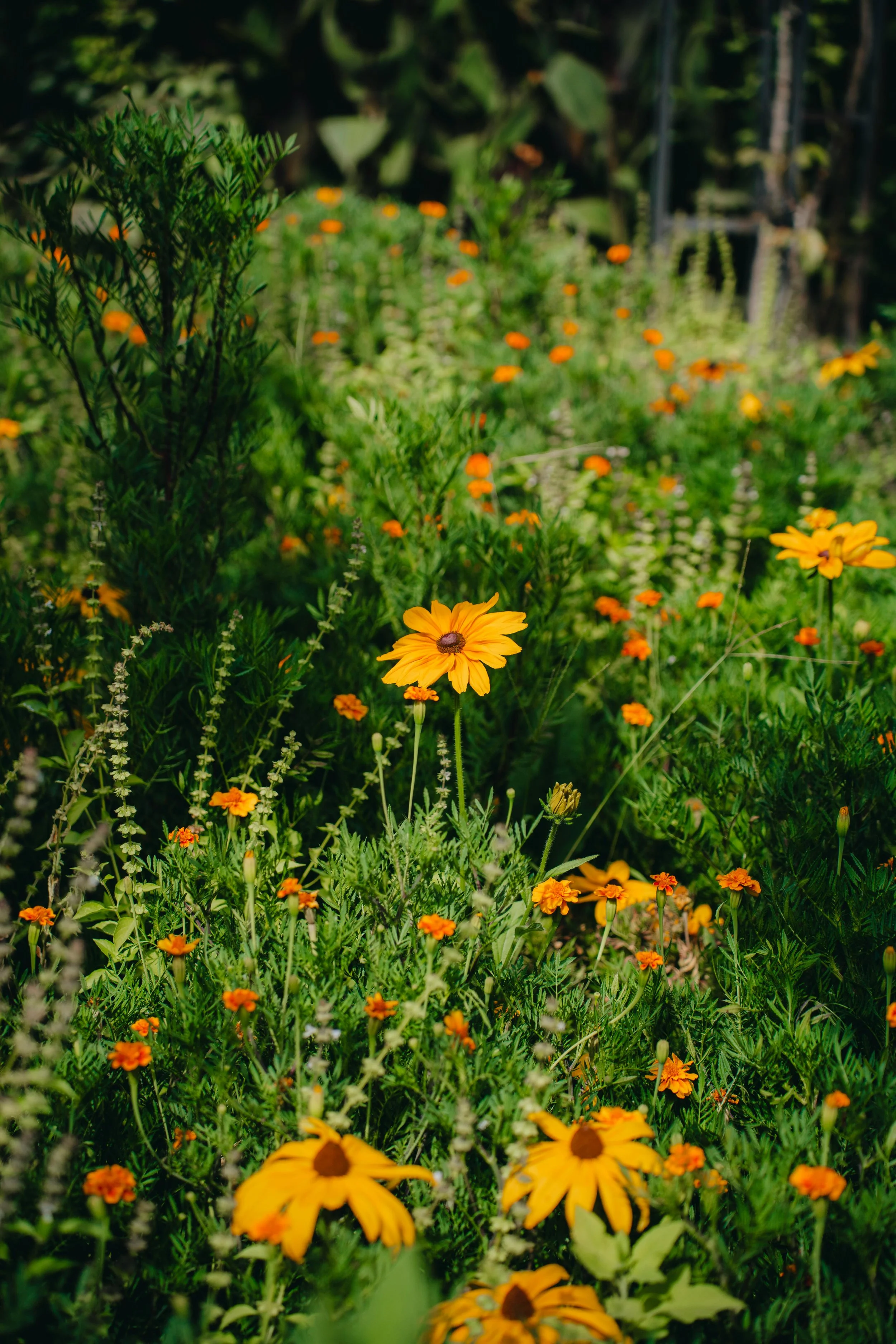
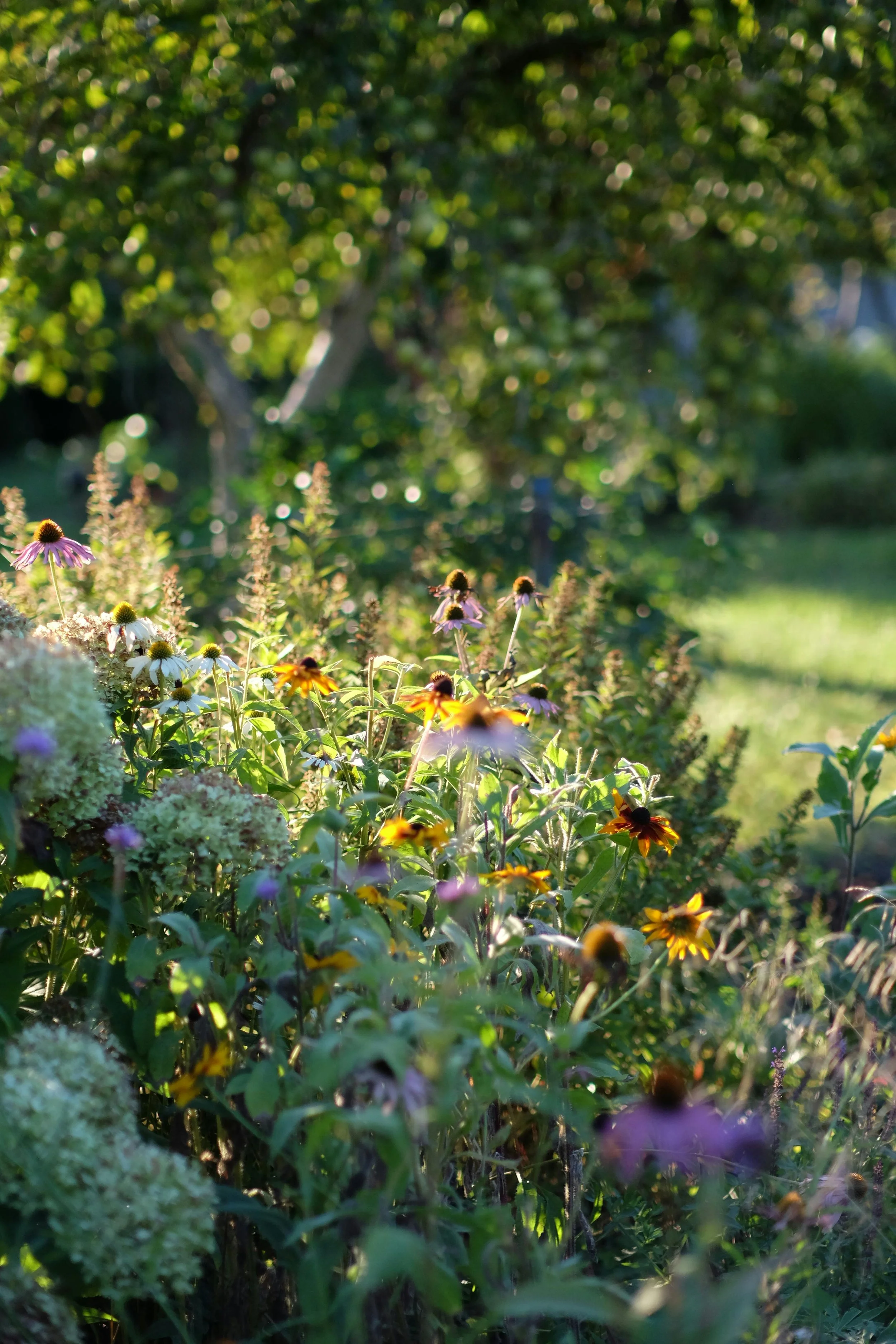
It’s not just about the paint job
Color gets them in the door, but the rest of the design keeps them there. We repeat colors to create a sense of rhythm. We also mix up the flower shapes, flat ones for bees to land on, and deep tubes for the hummers.
All of this goes back to our Soil to Stem rule. If your dirt is healthy, your plants are strong. Strong plants make better nectar. It’s that simple. Whether we're using Vermont natives or tough ornamentals, everything starts underground.
Ready to get your garden buzzing?
If you want a yard that’s full of life and looks great doing it, let's talk. We can look at your property and figure out a plan that works for you and the local wildlife. Reach out today to see what's possible for your landscape.