Landscape Design in Charlotte, Vermont: Where Garden Meets Field and Woods
This article is for homeowners in Charlotte, Ferrisburgh, and Monkton planning rural estates, meadow transitions, woodland-edge gardens, and naturalistic residential landscapes. It explains how a thoughtful landscape plan can preserve the character of a Vermont property while creating structure, habitat, and useful outdoor rooms.
A Charlotte property can be beautiful before a designer touches it. That’s the challenge.
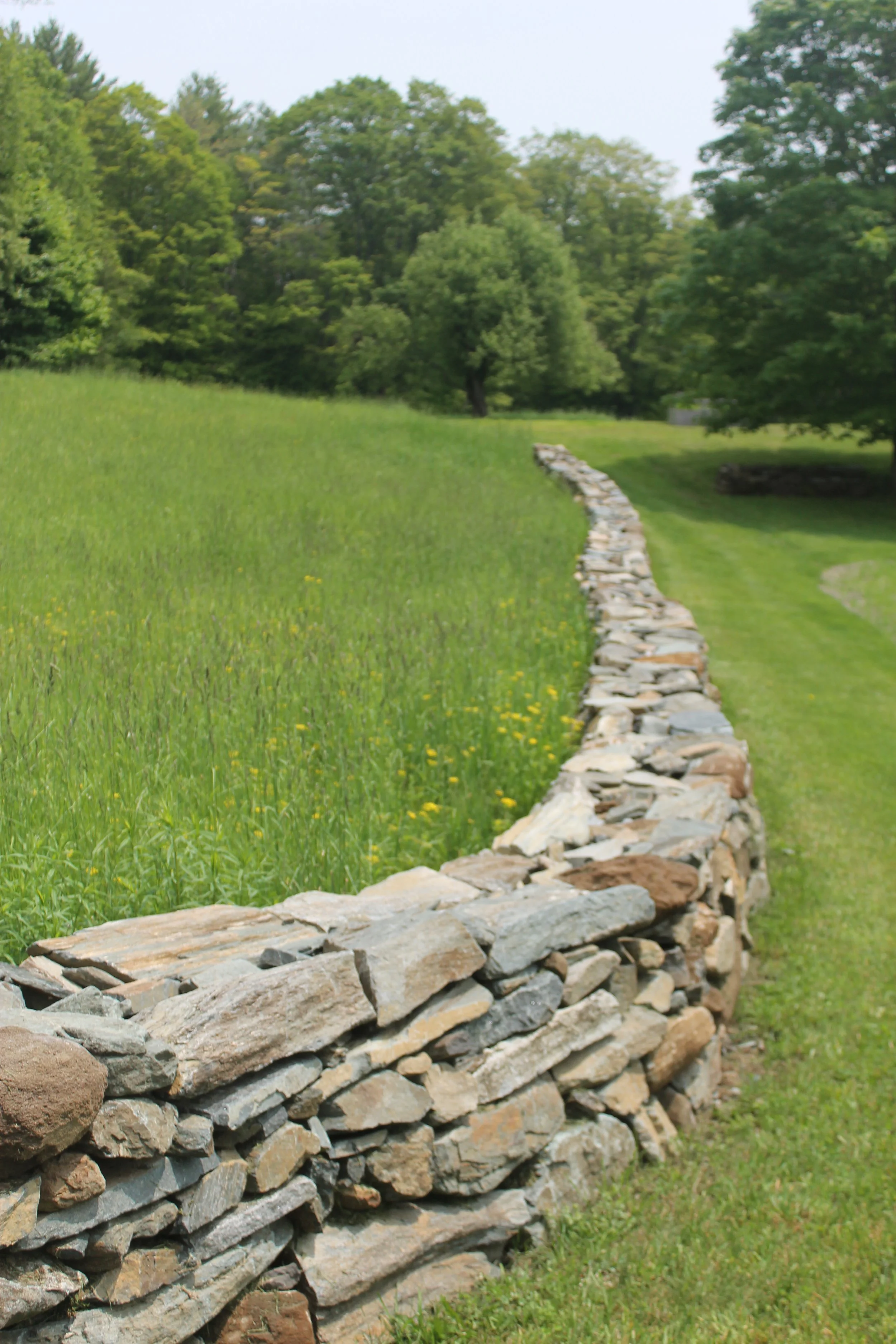
The old apple tree, the wet hollow, the stone wall, and the open field already have a relationship. A new terrace or perennial border has to join it without flattening the story.
Design the Transition First
On a larger property, the most important planting area may not be the garden closest to the kitchen. It may be the seam between mown lawn and meadow, the edge of a stand of trees, or the route from the house to a swimming pond or field.
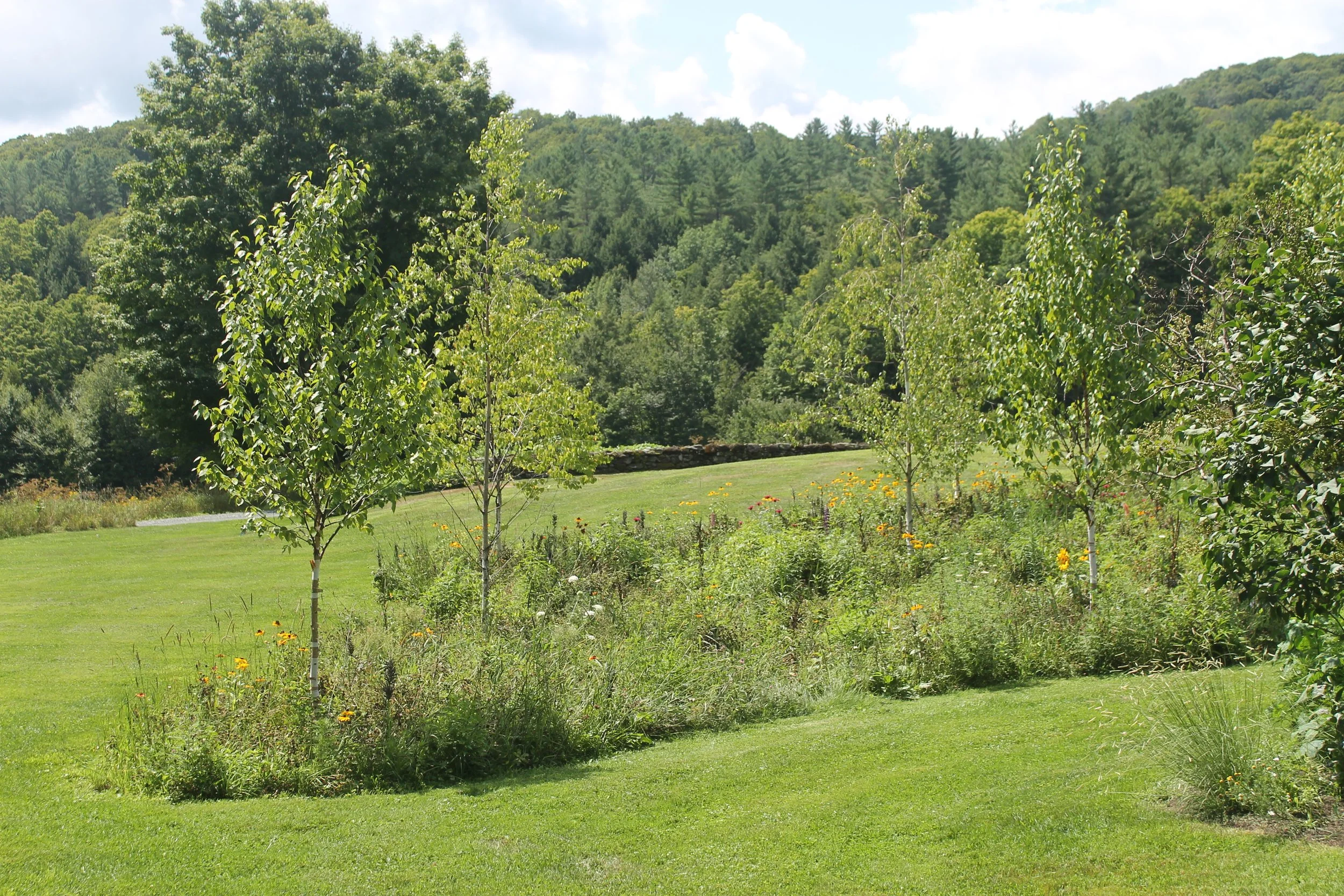
Those seams need structure. A tree grouping can create a destination. Shrubs can frame a view without closing it. A drift of perennials can soften the edge of a terrace before the landscape opens into taller grass. Woodland-edge plants need different light and moisture than plants in an exposed border, even when the two areas sit only twenty feet apart.
This is where “naturalistic” can become either intelligent or vague. The good version is composed. It uses repetition, spacing, height, and seasonality. It leaves room for change, but it doesn’t leave the design to chance.
A Meadow Is Not an Empty Lawn
A meadow transition takes preparation and patience. The existing soil, weed pressure, mowing history, moisture, and seed mix all matter. The Charlotte Park and Wildlife Refuge is a useful public reference because its fields and non-agricultural land support diverse Champlain Valley ecosystems, with trails through agricultural and wildlife habitat.
Private properties need their own plan. A successful meadow edge might require a reduced mowing schedule, soil preparation, plugs instead of seed in selected areas, or a season of observation before the final planting is decided.
The romantic image is easy. The establishment work is the real design.
Woodland Edges Need Restraint
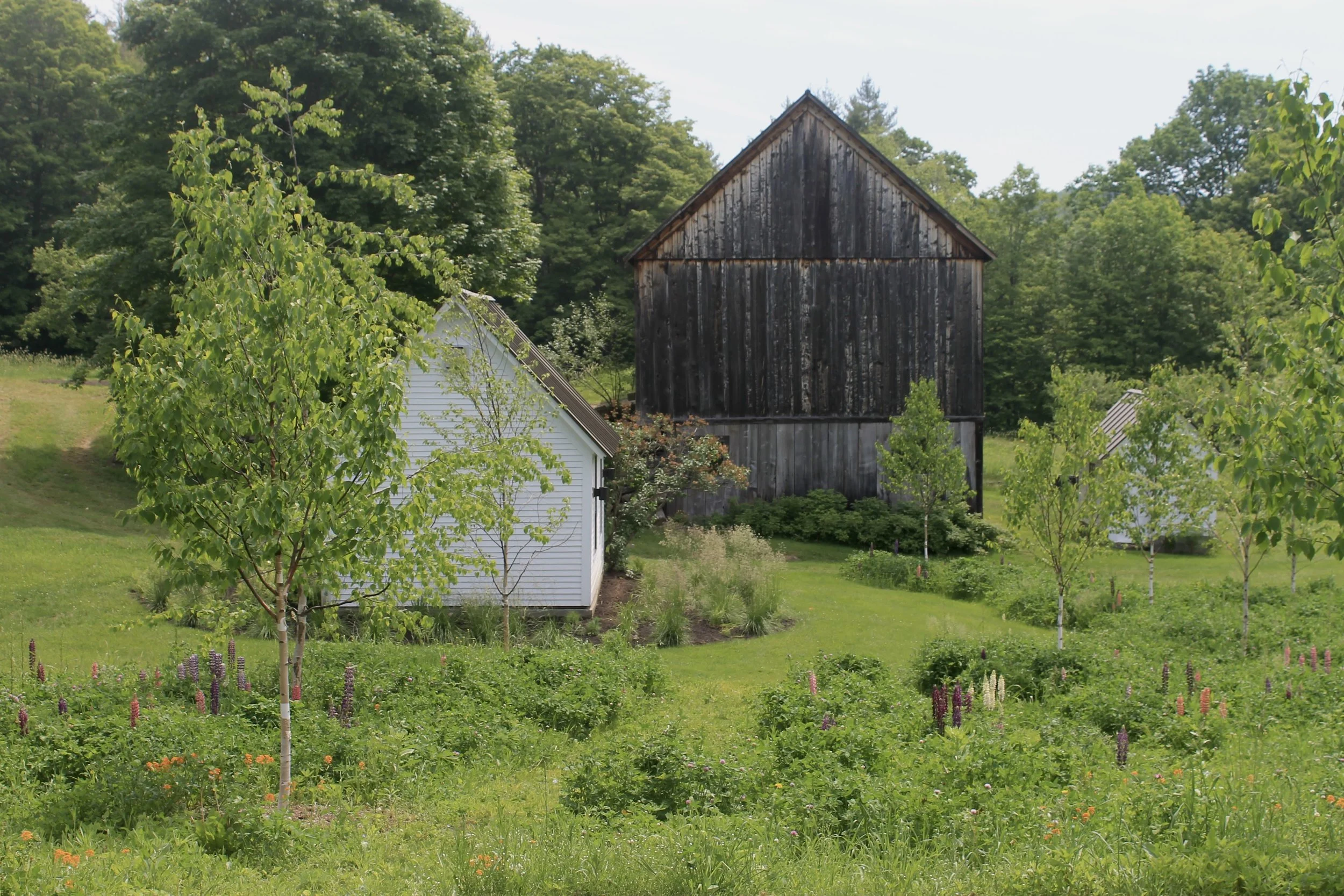
The boundary between open land and woods often has the best light on the property. It also has competition from roots, changing moisture, deer pressure, and a dense visual background.
Rather than filling every opening, a designer can use a small palette with a clear rhythm. Spring ephemerals, sedges, ferns, shrubs, and selected perennials can create a garden that feels like an extension of the woods without pretending to be untouched forest. Near a house or path, the planting can become more legible and detailed. Farther out, it can loosen.
The UVM Extension gardening resources provide Vermont resources for native plants, pollinator habitat, invasive species, and meadow establishment. They are useful starting points, though a property-specific plan still has to account for its own soil and exposure.
Charlotte’s Rural Character Rewards a Long View
A large property changes slowly. Trees take years to establish. A meadow can look sparse before it fills. Shrubs need time to become a screen. That makes a master plan more valuable than a series of disconnected planting decisions.
WHD’s design process includes a master plan, planting plan, detailed drawings, and optional installation oversight. The firm also offers a Digital Stewardship Plan intended to help clients understand how the landscape should evolve after installation. Its private gardening service describes stewardship as an extension of design rather than a separate task.
That distinction matters on rural estates. Maintenance is not only mowing and pruning. It’s deciding which self-seeded plants to keep, when to cut back meadow growth, how to protect young trees, and where the original plan should change because the property has taught you something.
Begin Before Spring Becomes a Deadline
The fall months are a useful time to document the property. Walk the land after leaf drop. Photograph the house from the field. Mark wet ground, prevailing wind, views you want to keep, and places where snow lingers. Note what you never use and what you wish you could use more often.
For spring installs, that information supports a better first conversation. It also leaves time for design development, revisions, plant availability, contractor bids, and phasing. A larger project may include more moving parts than a small garden renovation, and the calendar can tighten quickly once the ground is workable.
If you’re planning a rural estate, meadow transition, or woodland-edge garden in Charlotte, Ferrisburgh, or Monkton, contact WHD during the fall planning season. Bring the imperfect photographs and your design ideas they’re more than enough to start.