Native Vermont plants perform best when light, soil moisture, drainage, and grade are read together. This article helps Vermont and New England homeowners choose native plants for dry sun, moist sun, wet ground, woodland shade, part shade, and slopes, then recognize when a site needs more than a plant list.
Read the Ground Before Ordering Plants
A native plant is not a pass for ignoring the site. It still has a preferred root zone, mature size, and tolerance for competition. For the broader selection framework, start with the native Vermont plants hub.
Start outside. Watch the bed after rain and again during a dry stretch. Notice where roof runoff lands, where spring water lingers, and where tree roots make digging difficult. On a slope, see whether water sheets across the surface or funnels into one narrow path.
The University of Vermont Extension recommends assessing sun exposure, drainage, and soil type before choosing native plants. Nearby parks, public gardens, and natural areas can also reveal plant associations that suit comparable conditions. 1.
Use these terms with discipline:
Dry soil drains and dries between rains. It may be sandy, shallow, windy, or crowded with roots.
Moist soil stays damp through much of the growing season but does not hold standing water for long.
Wet ground remains saturated, ponds seasonally, or receives regular runoff.
Shade changes with canopy density, aspect, and competition from tree roots.
If a bed bakes in August and holds water in April, use plants that tolerate both conditions or divide the bed into smaller zones.
Native Plants for Dry Sun
Dry, open ground asks for plants that can live with quick drainage, wind, and reflected heat.
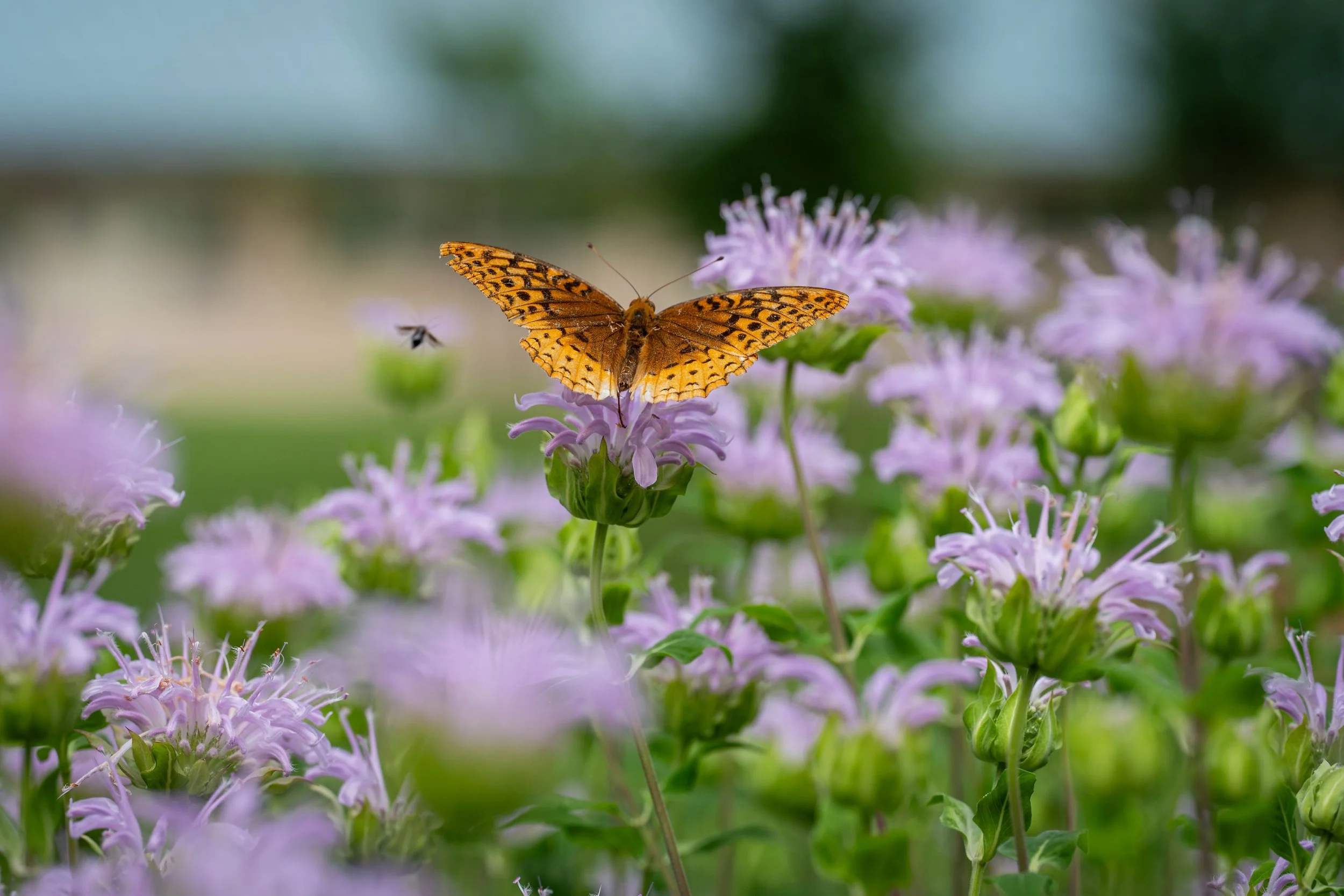
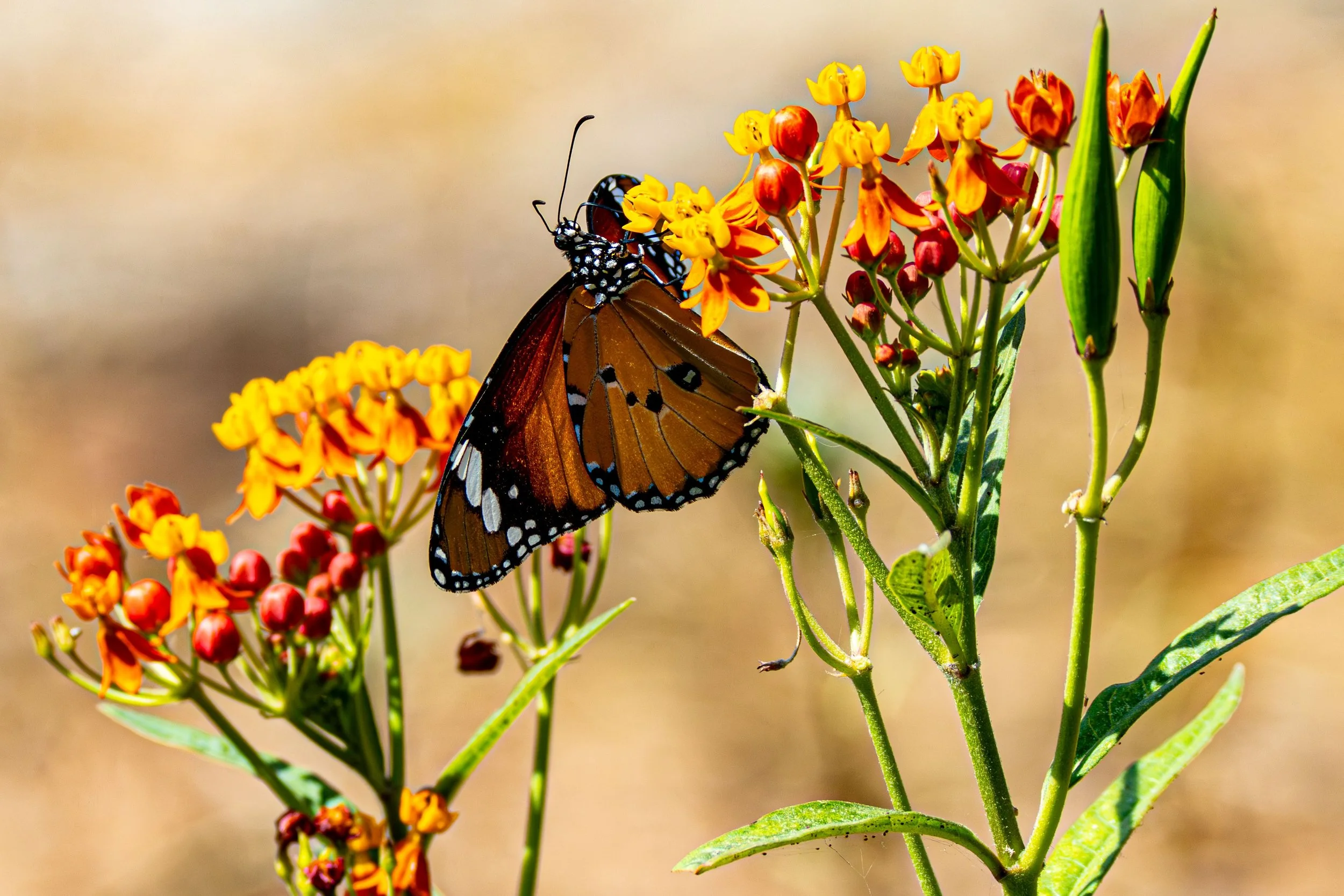
Build this palette around texture and repetition. Little bluestem (Schizachyrium scoparium) brings fine structure. Butterfly milkweed (Asclepias tuberosa) adds orange flower color without asking for wet feet. Wild bergamot (Monarda fistulosa) contributes lavender flowers, while bearberry (Arctostaphylos uva-ursi) can make a low evergreen layer where soil and exposure fit.
Repeat a few species rather than collecting one of everything. Leave open ground for clumps to mature. Overmulching a dry planting and watering it like an annual bed defeats the point.
Before buying butterfly milkweed, check drainage at root depth. “Full sun” alone is not the deciding condition.
Planting for Moist Sun
Moist sun supports substantial perennials, grasses, and shrubs, but it is not a permanent marsh.
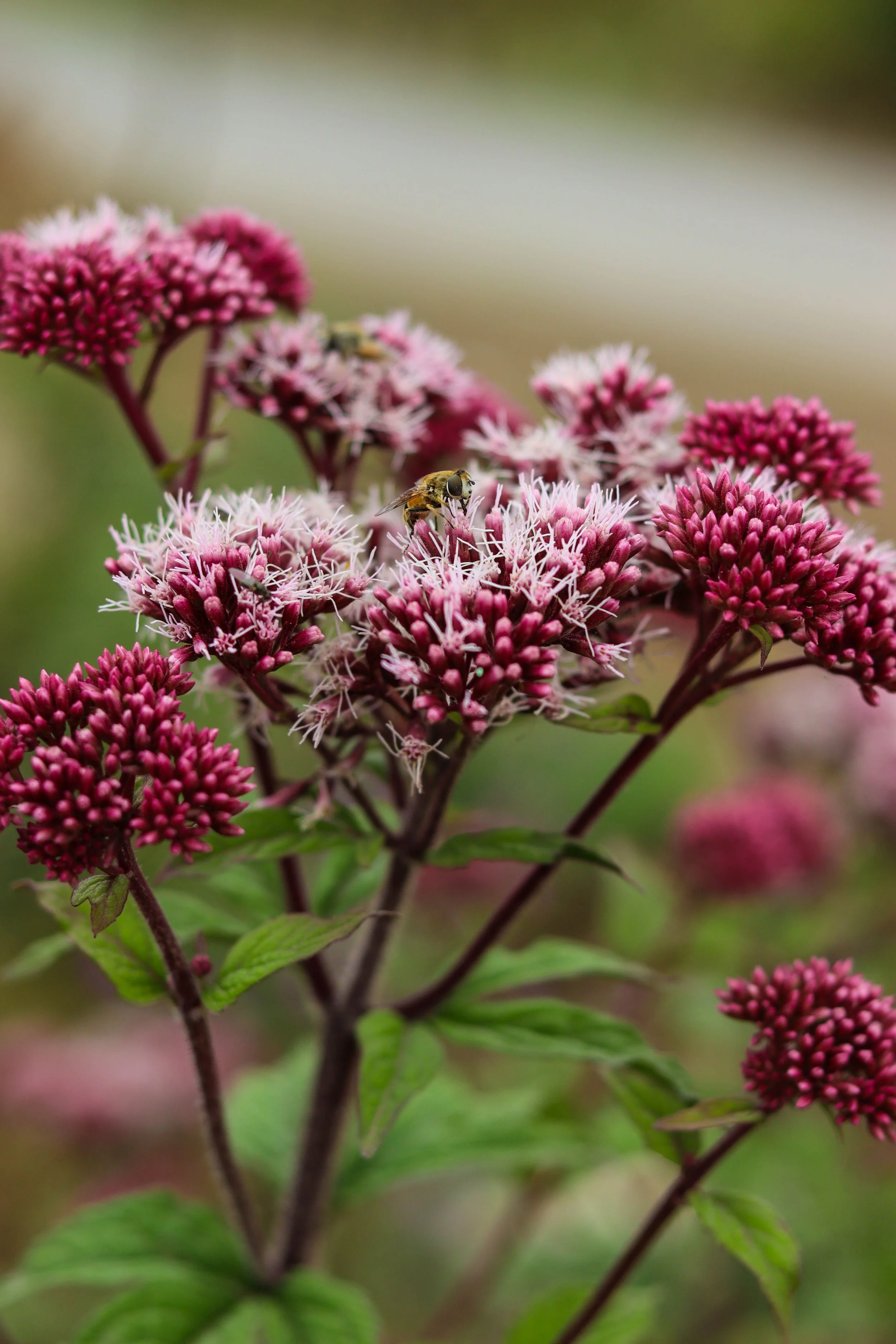
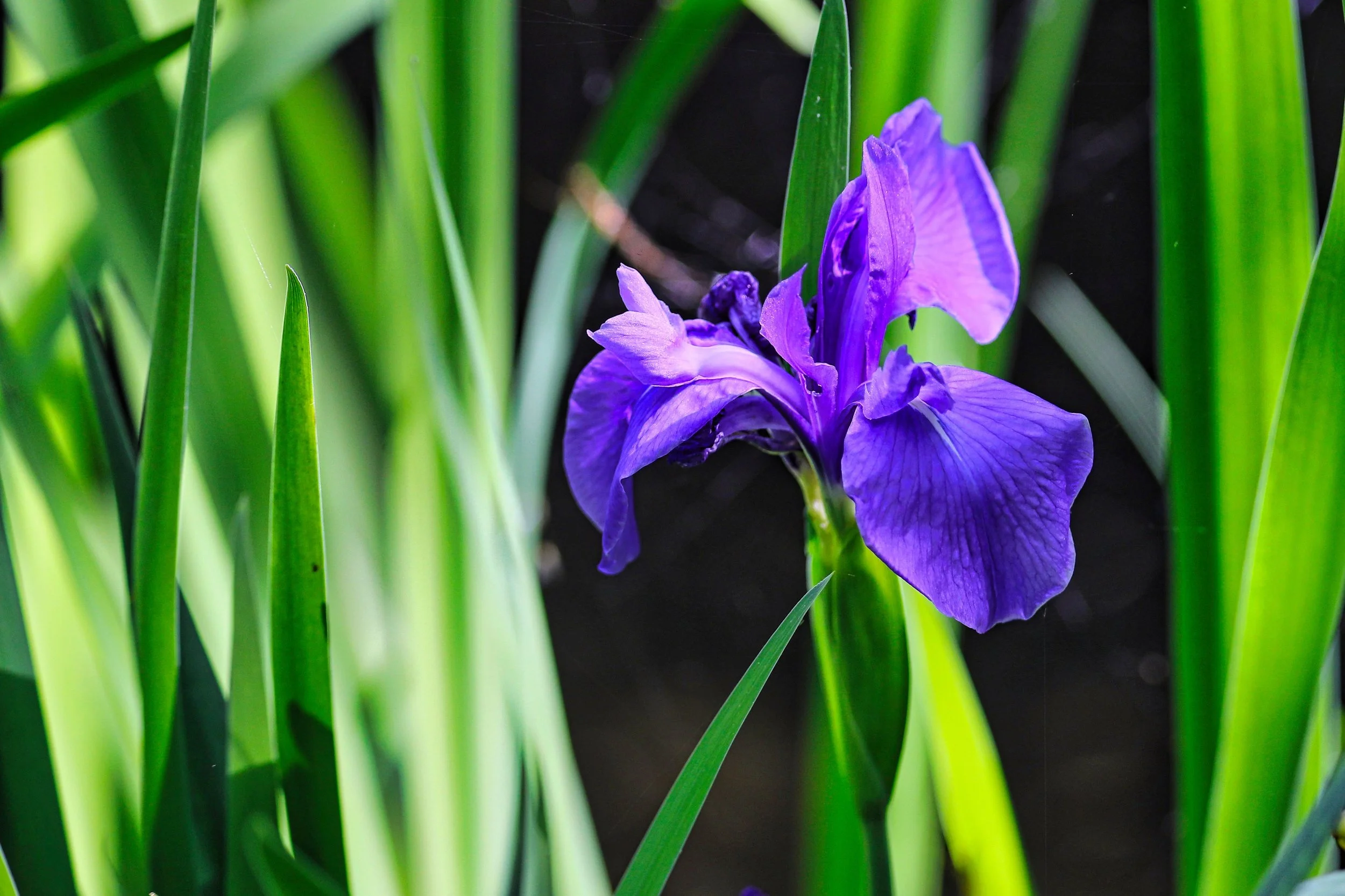
For height and late-summer presence, use Joe-Pye weed (Eutrochium spp.), swamp milkweed (Asclepias incarnata), and blue flag iris (Iris versicolor). Add switchgrass (Panicum virgatum) as a connective layer. Joe-Pye weed needs real room, so do not tuck it beside a narrow walk.
VT Fish and Wildlife treats wildflowers, grasses, shrubs, and trees as part of the same habitat conversation. Design with more than flowers. A grass or shrub layer gives the border structure before bloom and after it. 2.
If water stands for long periods after storms, move to a wet-ground palette.
What to Plant in Wet Ground
Wet ground needs an honest diagnosis. A spring low spot differs from a downspout swale or a persistently saturated shoreline edge. Plant selection should always follow the water pattern.
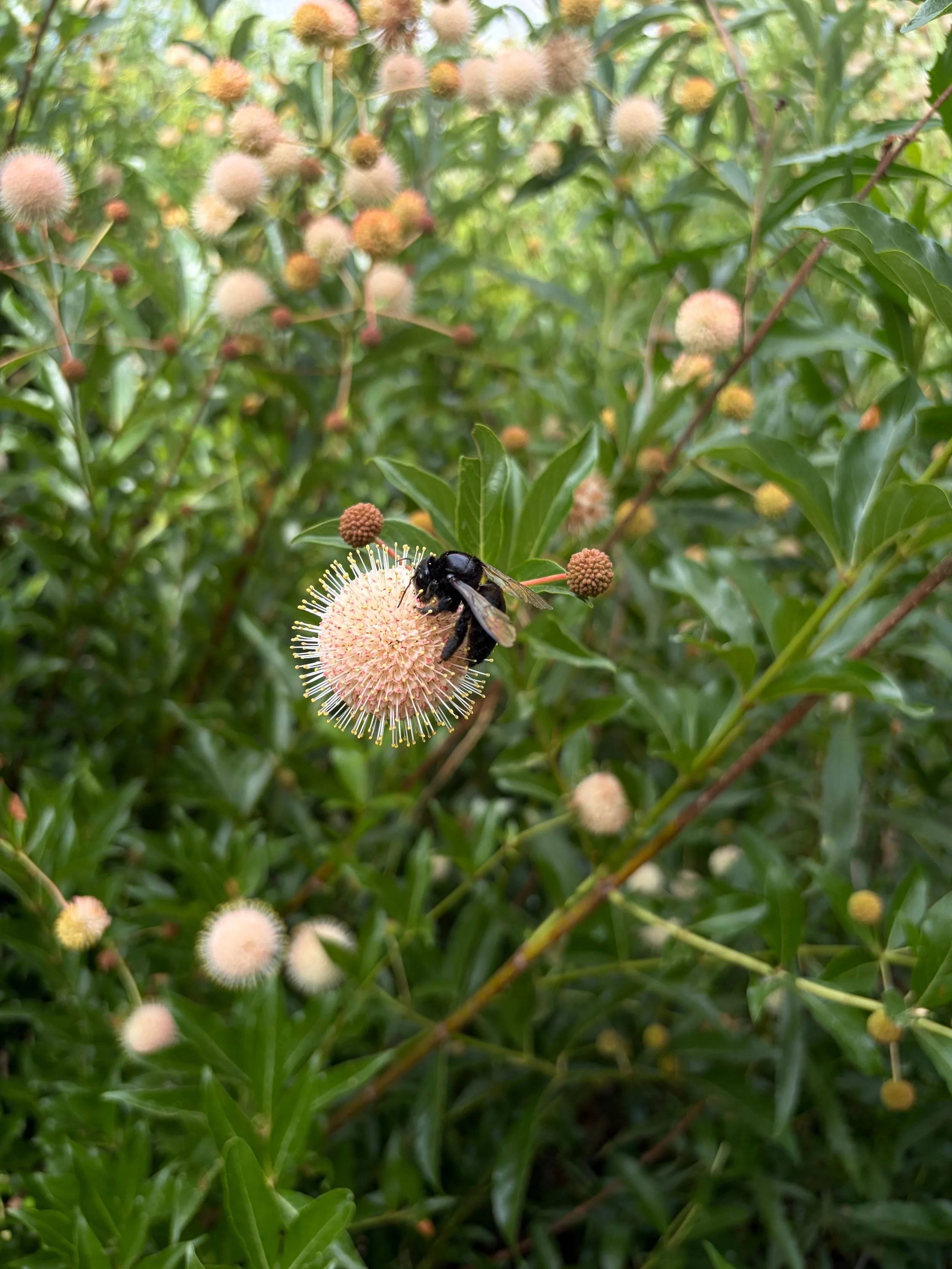
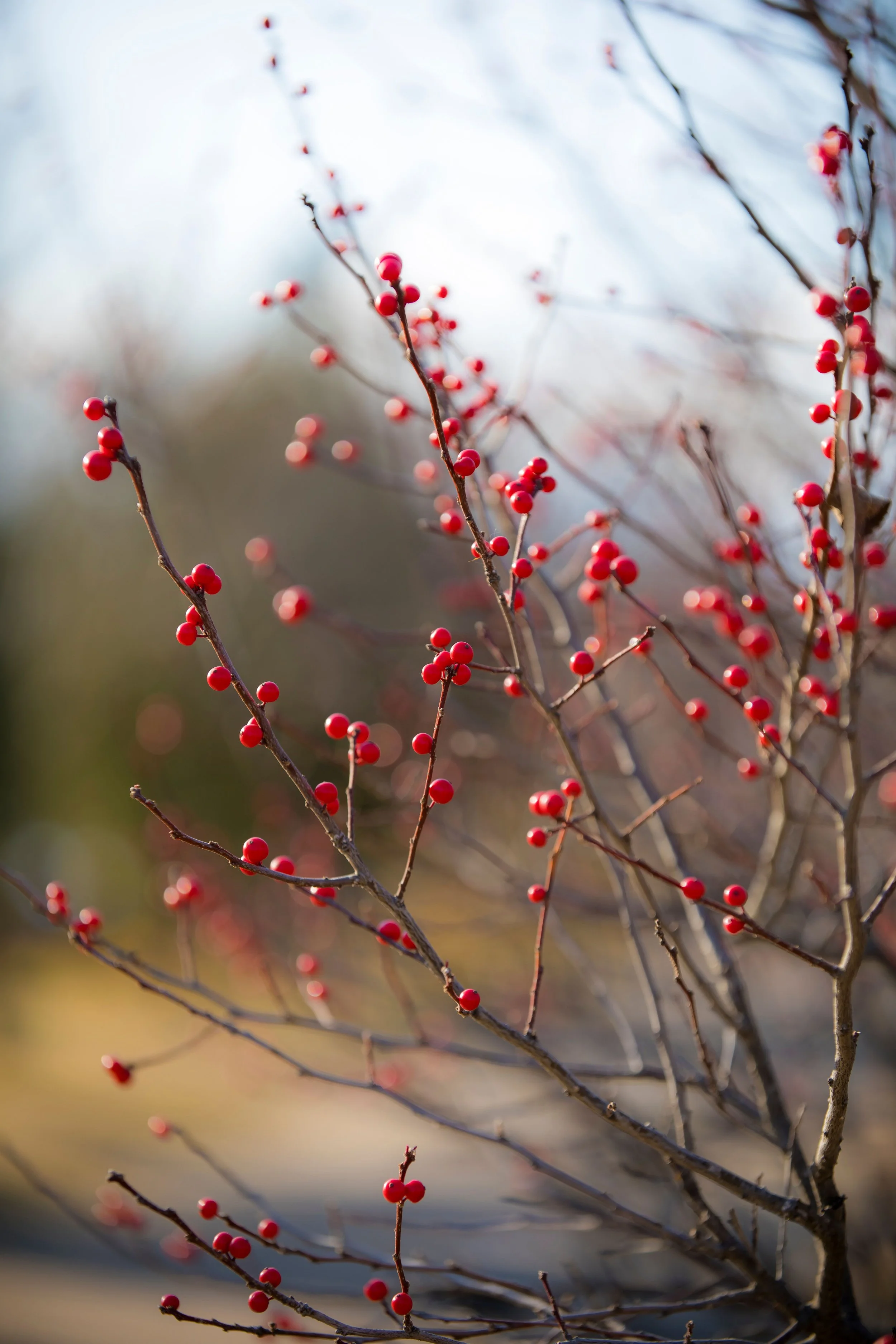
Where soil is consistently damp to wet, red-osier dogwood (Cornus sericea), winterberry (Ilex verticillata), buttonbush (Cephalanthus occidentalis), shrub willow (Salix spp.), and sedges (Carex spp.) are useful starting points. Mix woody and herbaceous material for a layered edge rather than one broad block of shrubbery.
Water moving toward a foundation, driveway, septic area, or neighboring property is not merely a plant-selection question. Fix the drainage pattern first. Plants cannot substitute for needed grading, drainage, or stabilization.
When sourcing wetland species, ask for the complete botanical name and intended moisture range. Vermont Fish & Wildlife advises buyers to favor Vermont-grown plants where possible and to confirm the complete scientific name, including subspecies when appropriate. 3.
Woodland Shade Is a Root Zone
Deep shade gets oversimplified. Under an established maple or beech, feeder roots and lack of open soil can matter as much as sunlight.
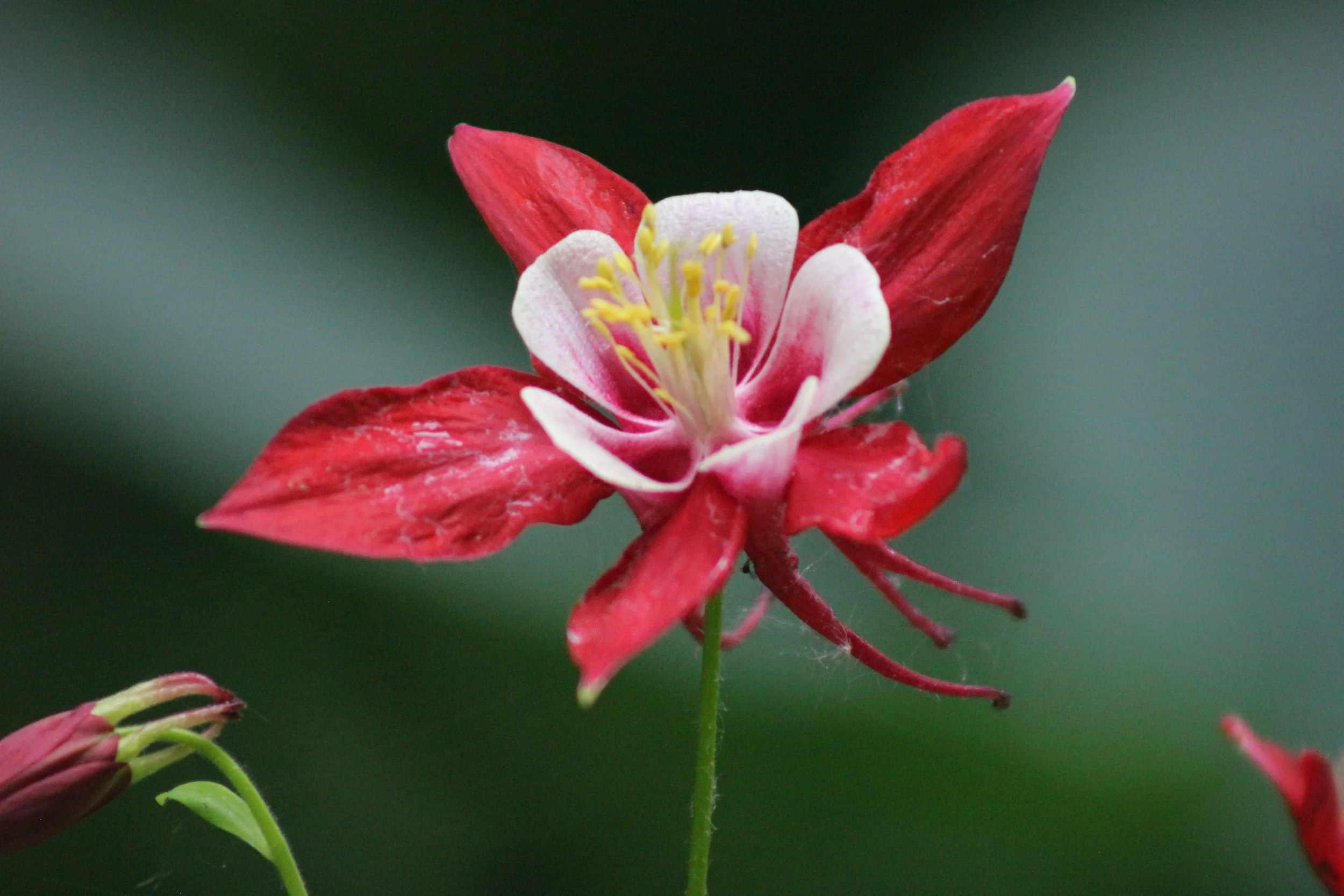
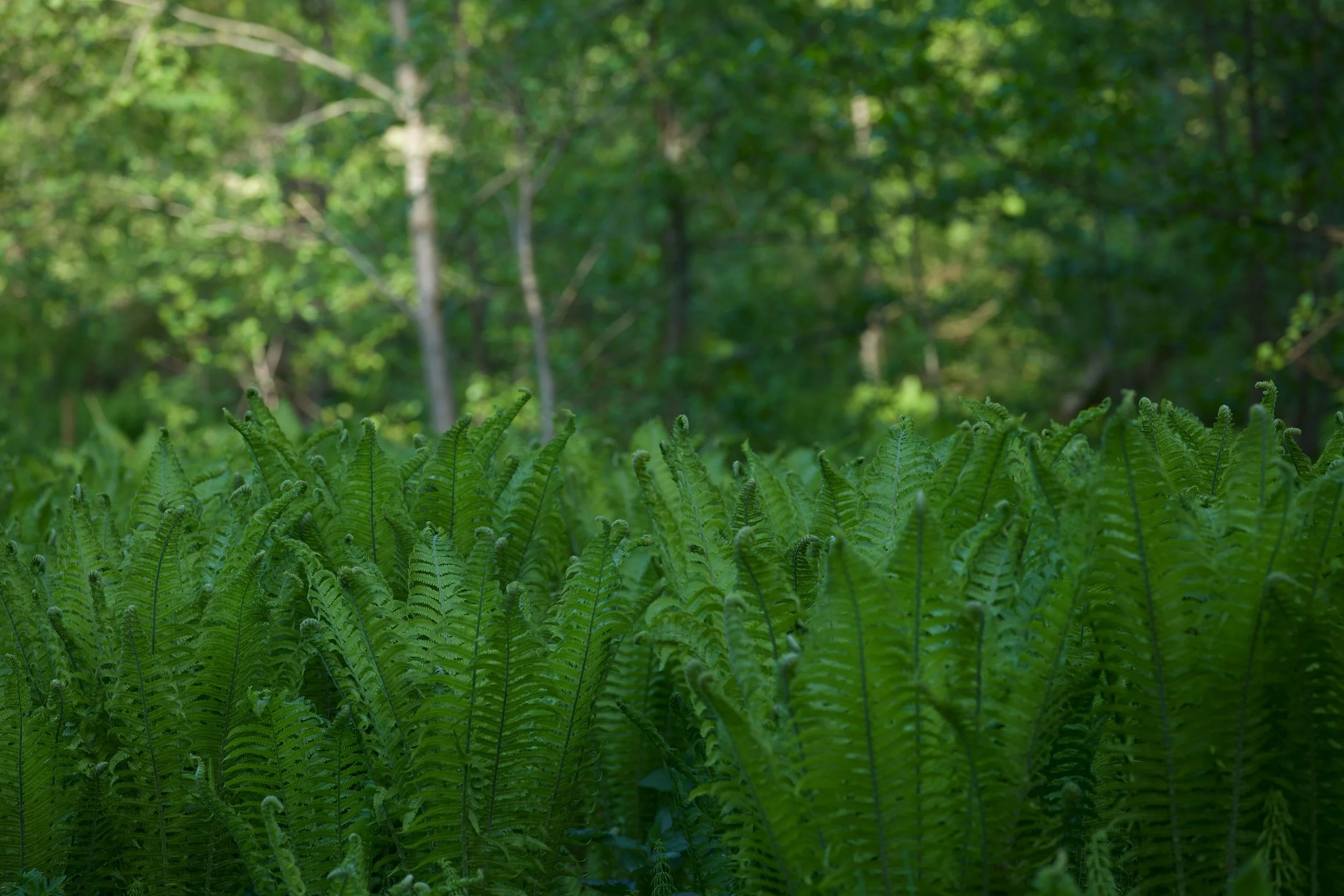
Choose plants that fit the woodland character and keep installation light. Ostrich fern (Matteuccia struthiopteris) can mass where moisture is adequate. Canada wild ginger (Asarum canadense) forms a lower layer, and red columbine (Aquilegia canadensis) brings a spring note. In dry, rooty shade, a restrained sedge and woodland-perennial planting will establish more cleanly than a packed display garden.
Avoid a deep bed of shredded mulch. Keep mulch off crowns and woody stems, and do not bury the forest floor. UVM Extension notes that mulch can limit access to soil for ground-nesting bees.
Use Part Shade for the Transition
Part shade bridges open lawn and woodland. Light changes through the day and again when leaves emerge.
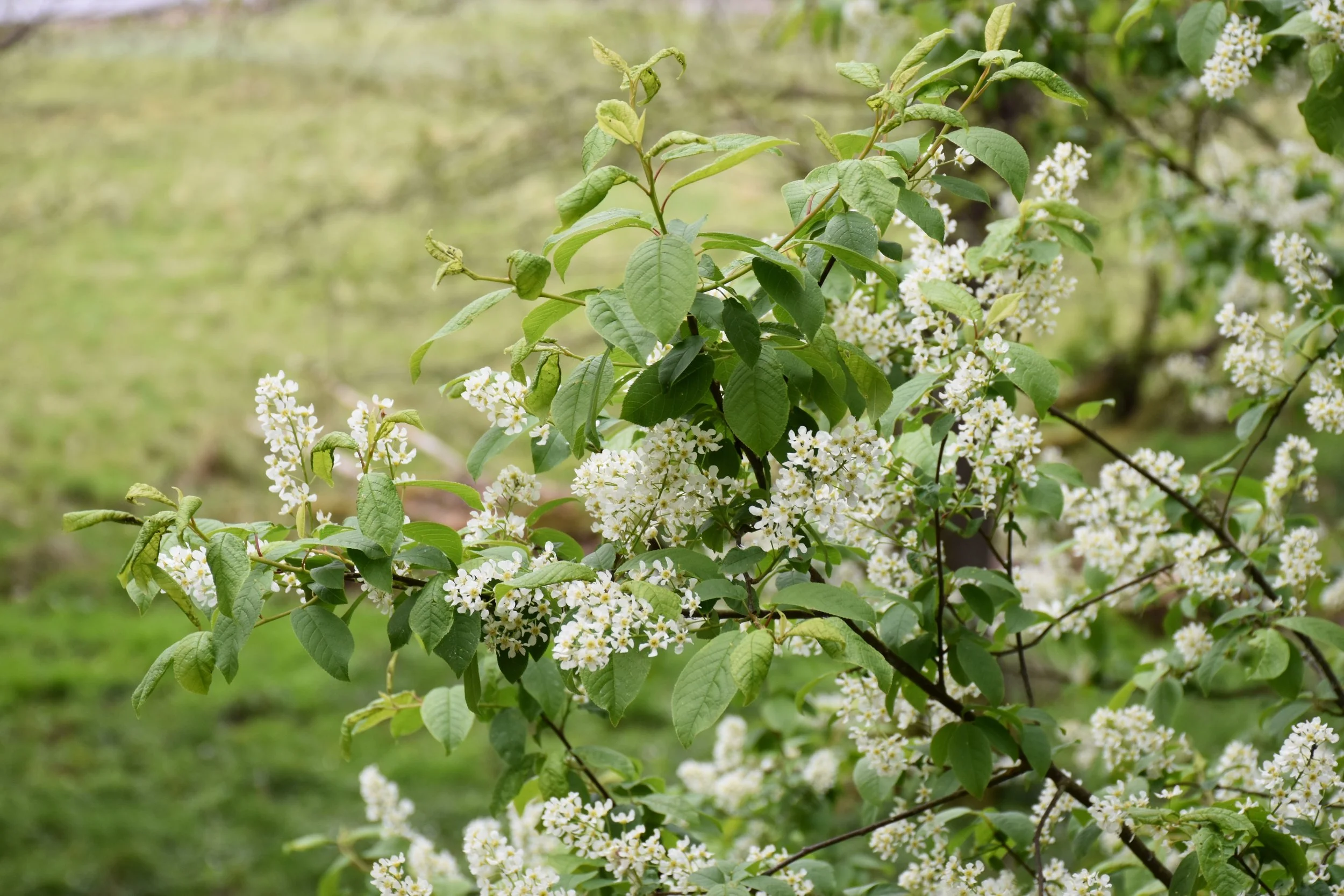
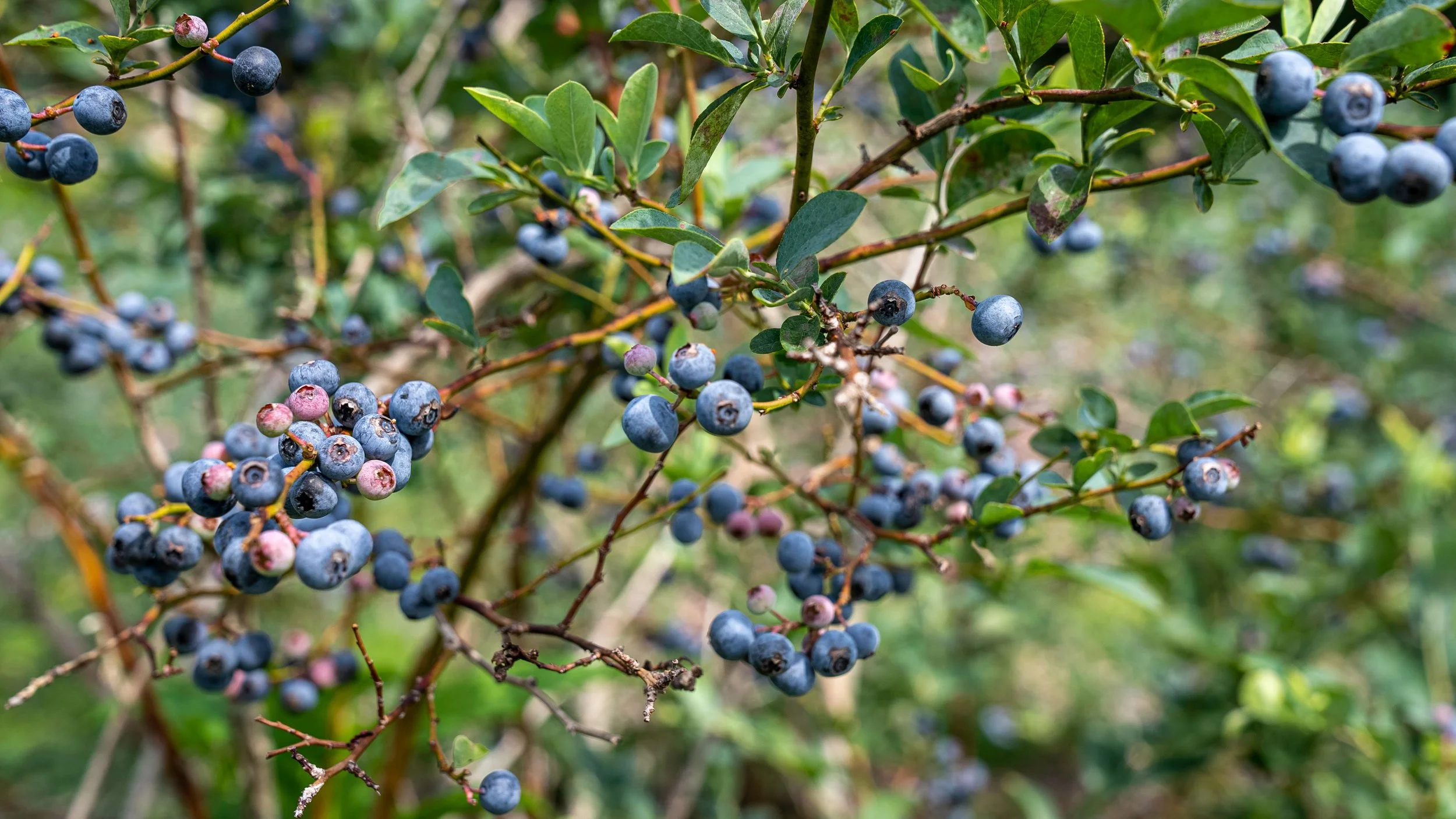
Serviceberry (Amelanchier spp.) offers an early-season focal point. Highbush blueberry (Vaccinium corymbosum) can join the layer where soil acidity and moisture suit it. Beneath or nearby, use red columbine, woodland sedges, and shade-tolerant asters.
Keep the edge irregular rather than cutting a hard lawn-to-woods line. Repeated groups stepping outward from the canopy will look more settled.
A Slope Needs Two Decisions
Identify the slope’s light and moisture, then decide whether the issue is ordinary planting, erosion, or structural instability.
On a dry, sunny bank, drifts of little bluestem and butterfly milkweed can create cover without visual weight. In part shade, sedges may make more sense. A moist lower bank may suit dogwoods, willows, and sedges when their mature spread fits.
Do not plant a cosmetic fix for active erosion. Exposed roots, rills after rain, moving soil, a failing wall, or concentrated water call for a site-level solution. Planting can follow it, not lead it.
Avoid Replacing One Problem With Another
Planting native material is also a chance to remove an invasive ornamental thoughtfully. Vermont Invasives lists burning bush, common buckthorn, honeysuckle, and Japanese barberry among 12 invasive plants commonly found in the state. Review the Vermont Invasives list before removal so the plant is correctly identified. 4.
Match the replacement to the job the old plant performed. A dense barberry edging may call for a low sedge matrix or bearberry in the right dry site. A shrub honeysuckle screen might become a layered composition of serviceberry, dogwood, and lower perennials. Burning bush's fall color is not the whole brief, even if it was why the plant was installed.
Expect a disturbed area to need follow-up. Removal alone does not establish a new planting.
When a Planting Plan Is Worth It
A homeowner can make a sound start with a small bed, lawn edge, or a few replacements. Professional planning earns its value when water crosses a slope, mature trees create shifting shade, an invasive removal opens a large edge, or the garden must be phased.
In those situations, a full landscape design can connect site analysis, planting schemes, and installation oversight. The plant list matters, but spacing, grade, circulation, and mature size decide whether it holds together.
For a smaller project or stubborn corner, a home consultation can focus on light, soil, plant selection, maintenance, or the problem area in front of you. Start with the difficult spot.