How to Replace Invasive Shrubs with Native Vermont Alternatives
For Vermont homeowners replacing invasive shrubs or reconsidering overused foundation plantings, this article matches native alternatives to invasive shrubs in Vermont with screening, fall color, groundcover, privacy, and difficult site conditions. Its purpose is to help you make a planting change that supports the character of the property rather than trading one mismatch for another.
First, Identify What Is There
A red-leaf shrub isn't automatically Japanese barberry. A fast-growing hedge isn't automatically invasive honeysuckle. That distinction matters before anything gets cut.
Vermont's invasive-plant guide lists burning bush (Euonymus alatus), common buckthorn (Rhamnus cathartica), invasive bush honeysuckles including Lonicera maackii, L. morrowii, L. tatarica, and Lonicera x bella, Japanese barberry (Berberis thunbergii), and multiflora rose (Rosa multiflora) among common species in the state. 1.
Look for features that separate a plant from its neighbors. Invasive honeysuckles have a hollow pith in older stems, while Vermont native honeysuckles have a solid pith. Burning bush has corky wings on younger stems. Japanese barberry bears a single spine at each leaf cluster.
Don't design around a guess. If the shrub is old, sprawling, or close to a woodland edge, confirm the identification before removal and before ordering replacements.
Match the Shrub's Job Before You Shop
The easy move is to replace a shrub species one for one. It's also where many planting plans go flat. The native Vermont plants hub covers the wider process of choosing plants by site, purpose, and long-term care.
First, name what the existing planting does. It may screen a view, hold a slope, mark an entrance, bring red fall foliage, or fill a gap beneath mature trees. Those are different jobs. A thorny eight-foot thicket and a three-foot foundation mass shouldn't receive the same answer.
Then read the site. The University of Vermont Extension recommends assessing sun exposure, drainage, and soil type before selecting native plants. 2. Add wind exposure, winter plow spray, deer pressure, mature width, and room behind the plant.
That order is practical: function, conditions, form. Flowers come after. A planting earns its beauty when it also fits the space.
Native Alternatives by Function and Site
There isn't one universal replacement shrub. Native plants offer more design options, but they don't erase the limits of shade, wet soil, or a cramped bed. Vermont's pollinator guidance recommends avoiding species not native to the state and recognizes shrubs and trees alongside flowering plants and grasses as habitat plantings. 3.
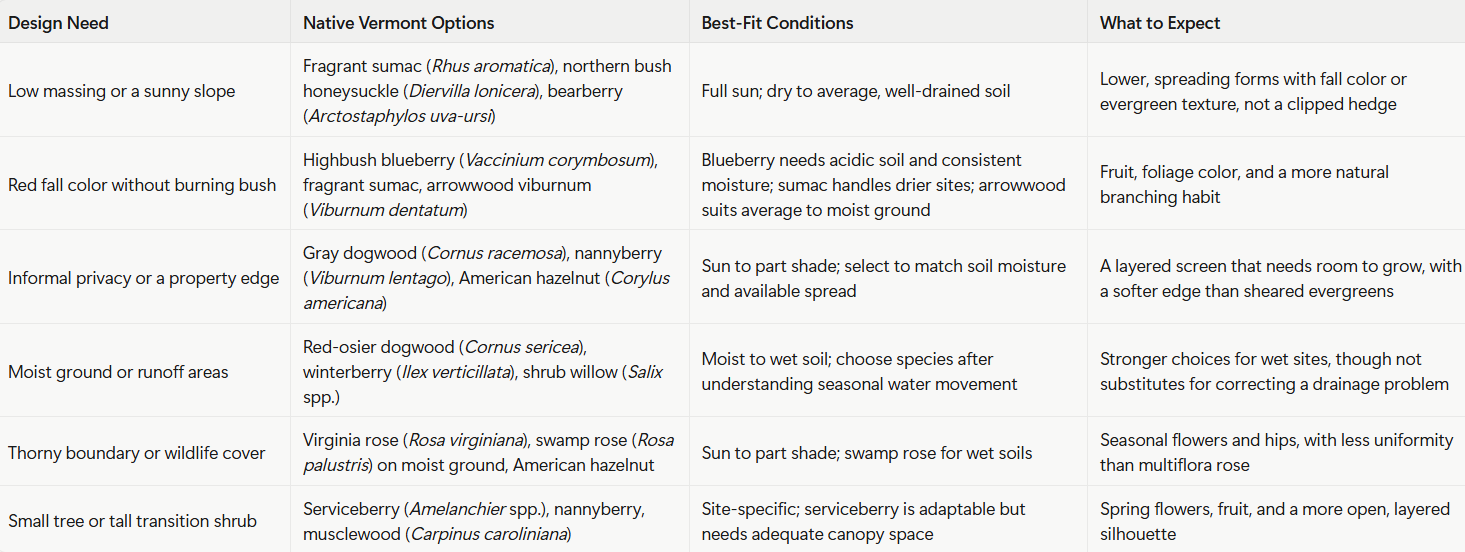
A few cautions belong beside that table. Highbush blueberry is a poor choice where soil is alkaline or dry, no matter how attractive its fall color looks in a photograph. Red-osier dogwood belongs where moisture supports it, not in a hot foundation bed because its stems happen to be red. And a dense native planting still needs enough width.
Five Common Shrub Replacements
Burning Bush Calls for Better Fall Structure
Burning bush is hard to miss in October.
For an open, dry, sunny edge, fragrant sumac offers fall color on a low, spreading framework. Where soil is acidic and moisture is reliable, highbush blueberry brings flowers, fruit, and autumn color. Choose the habit first. The leaf color follows.
Japanese Barberry Needs a Different Idea of Edging
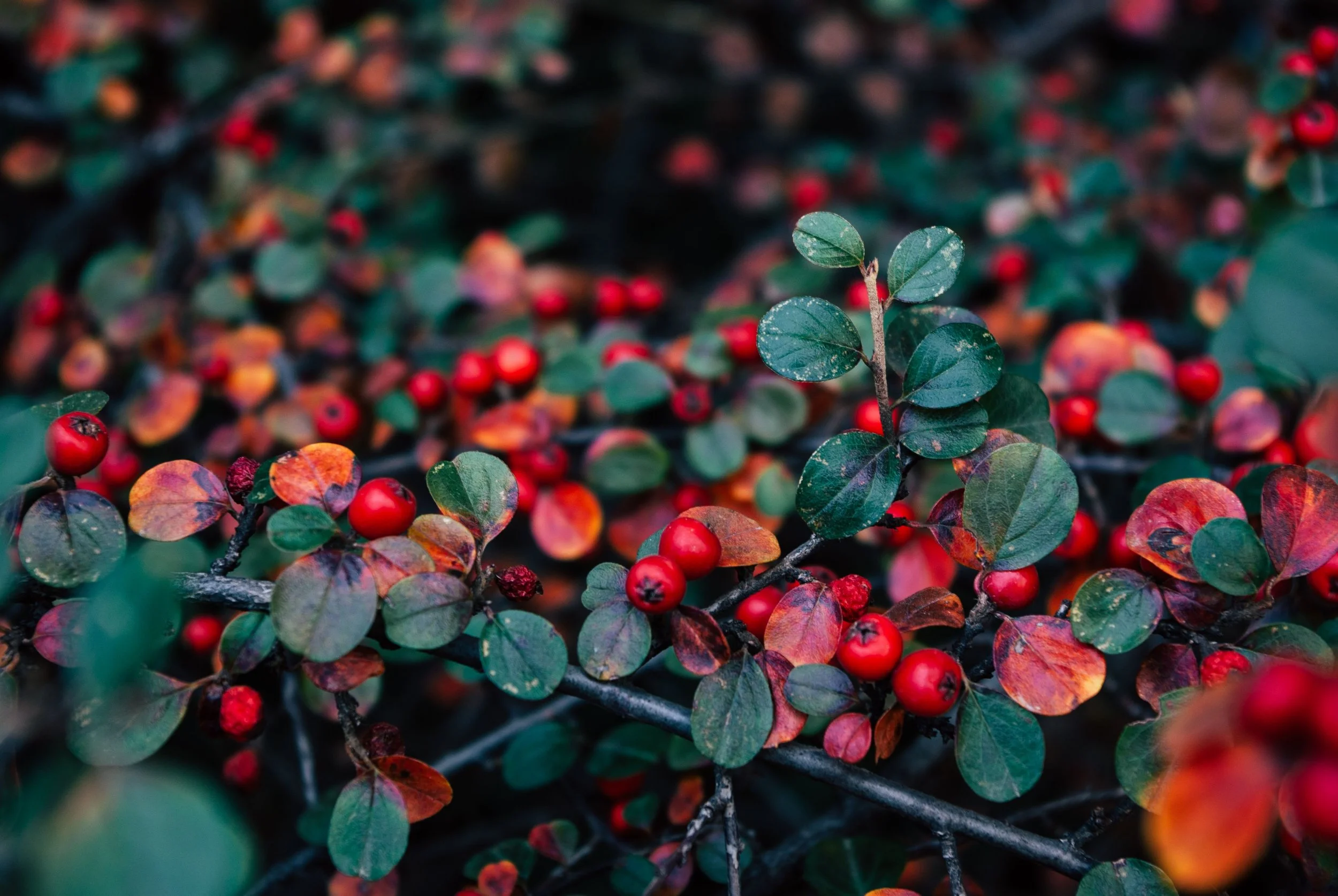
Barberry often occupies a low, sunny bed. Replace it with northern bush honeysuckle or fragrant sumac when the real need is a low, loose slope-covering mass. Bearberry can work in lean, well-drained soil where evergreen texture matters more than height.
Bush Honeysuckle Is Not a Privacy Plan
Invasive bush honeysuckles can form tall, dense screens. The Vermont guide distinguishes them from native honeysuckles by their hollow pith. 1.
For an informal screen, group shrubs with different heights rather than forcing one species into a wall. Gray dogwood provides cover. Nannyberry and serviceberry lift the middle layer. American hazelnut can widen a sunny edge.
Buckthorn Leaves a Big Hole
Common buckthorn can grow as a shrub or small tree over 15 feet tall. 1. Once it comes out, the missing volume can expose a driveway or neighbor's view.
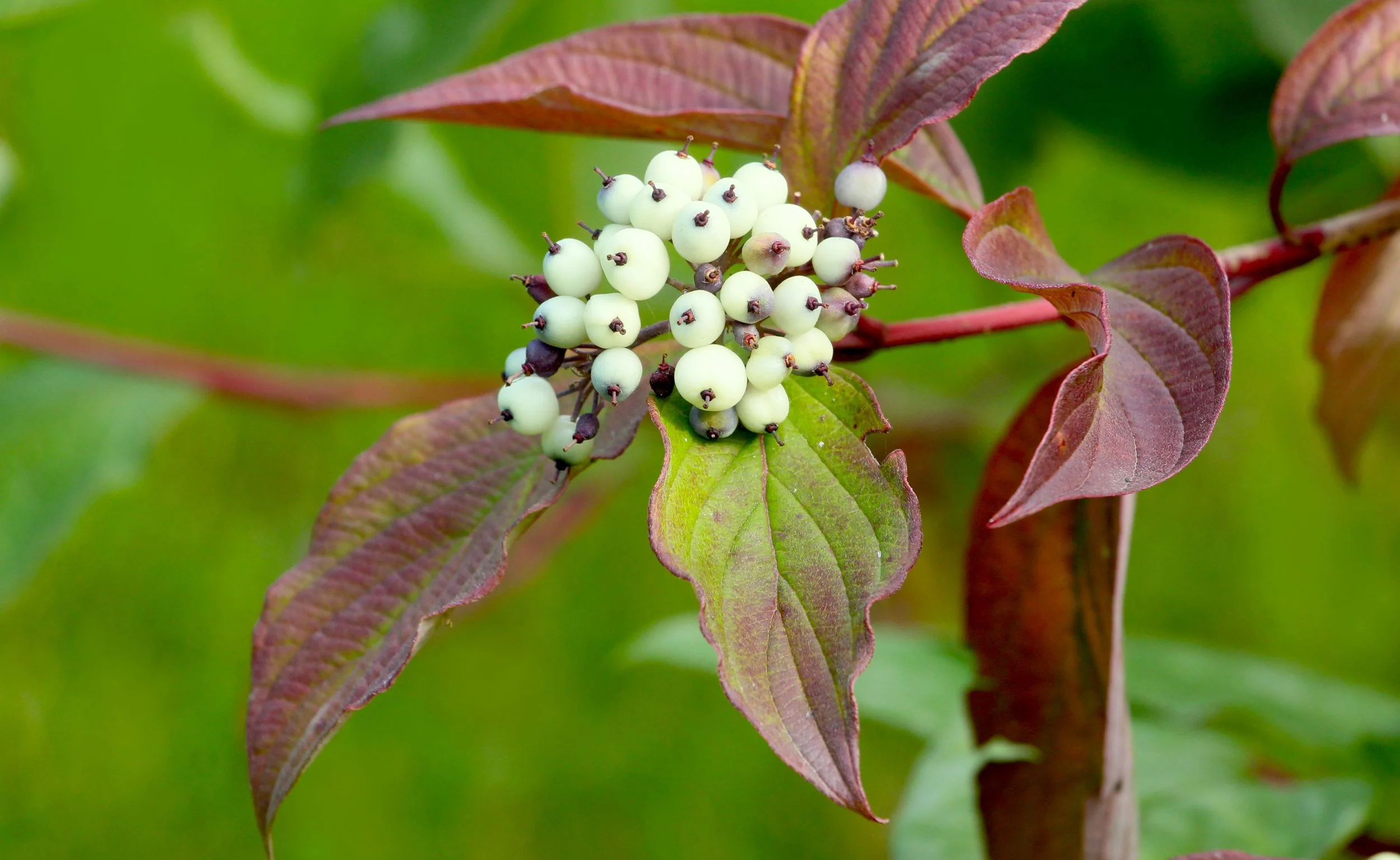
Use serviceberry for a lighter, higher screen and American hazelnut for a broad informal mass. On wetter ground, combine dogwood, winterberry, and shrub willow. Avoid recreating the buckthorn wall at the same density. A stepped edge will feel less defensive.
Multiflora Rose Has Native Relatives
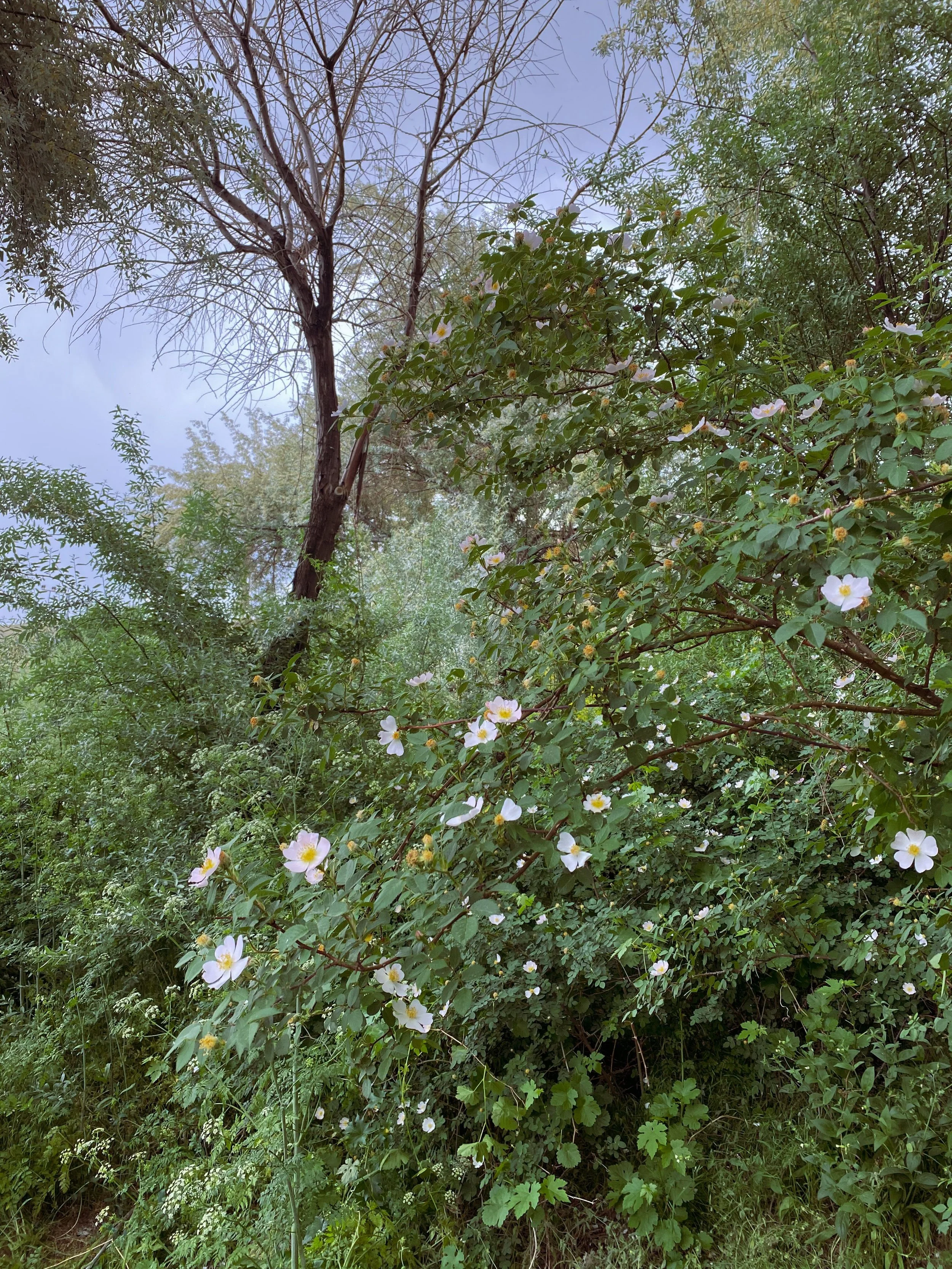
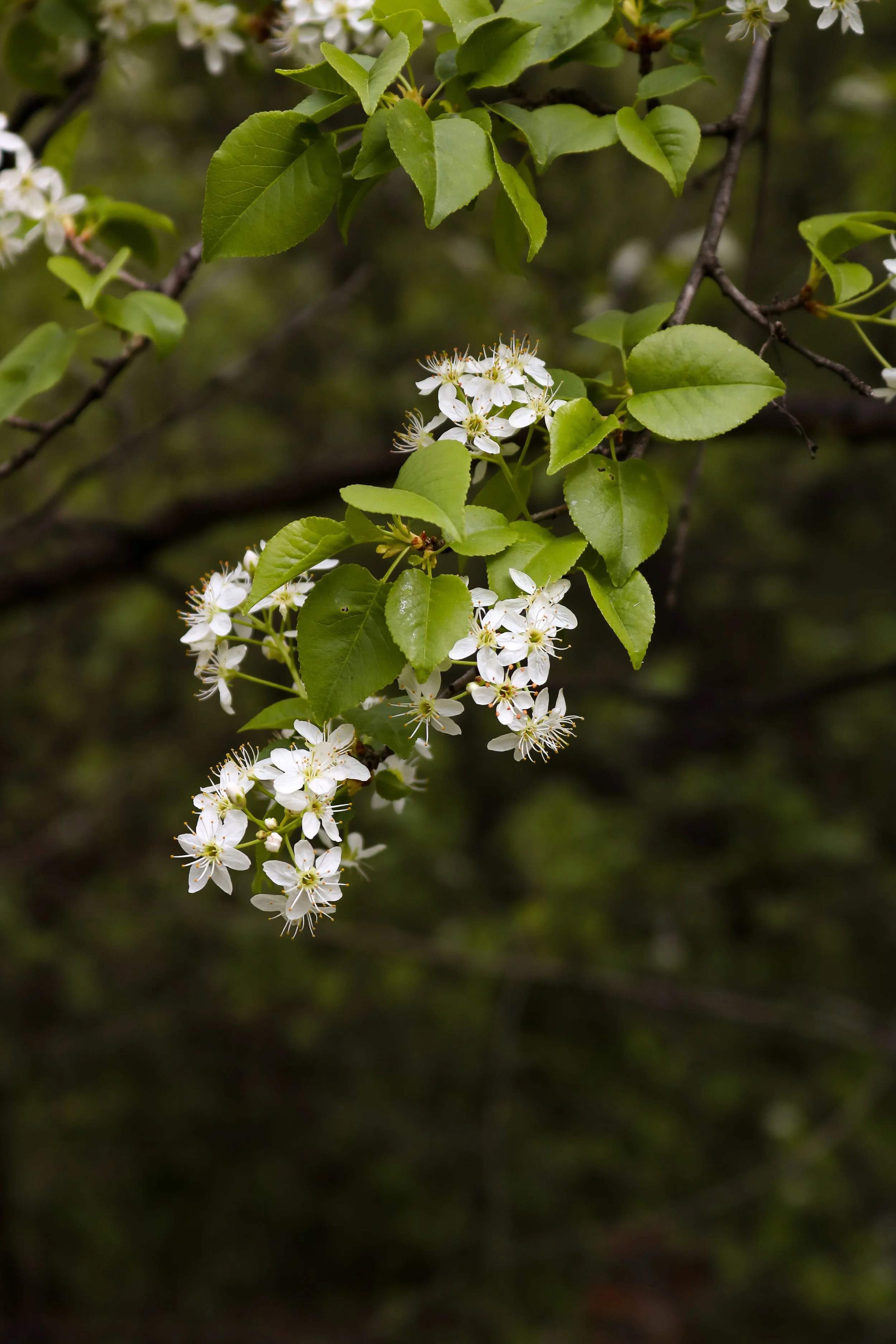
Multiflora rose forms thorny canes, white flower clusters, and small red hips. The state guide notes its fringed stipules, which help distinguish it from other roses. 1.
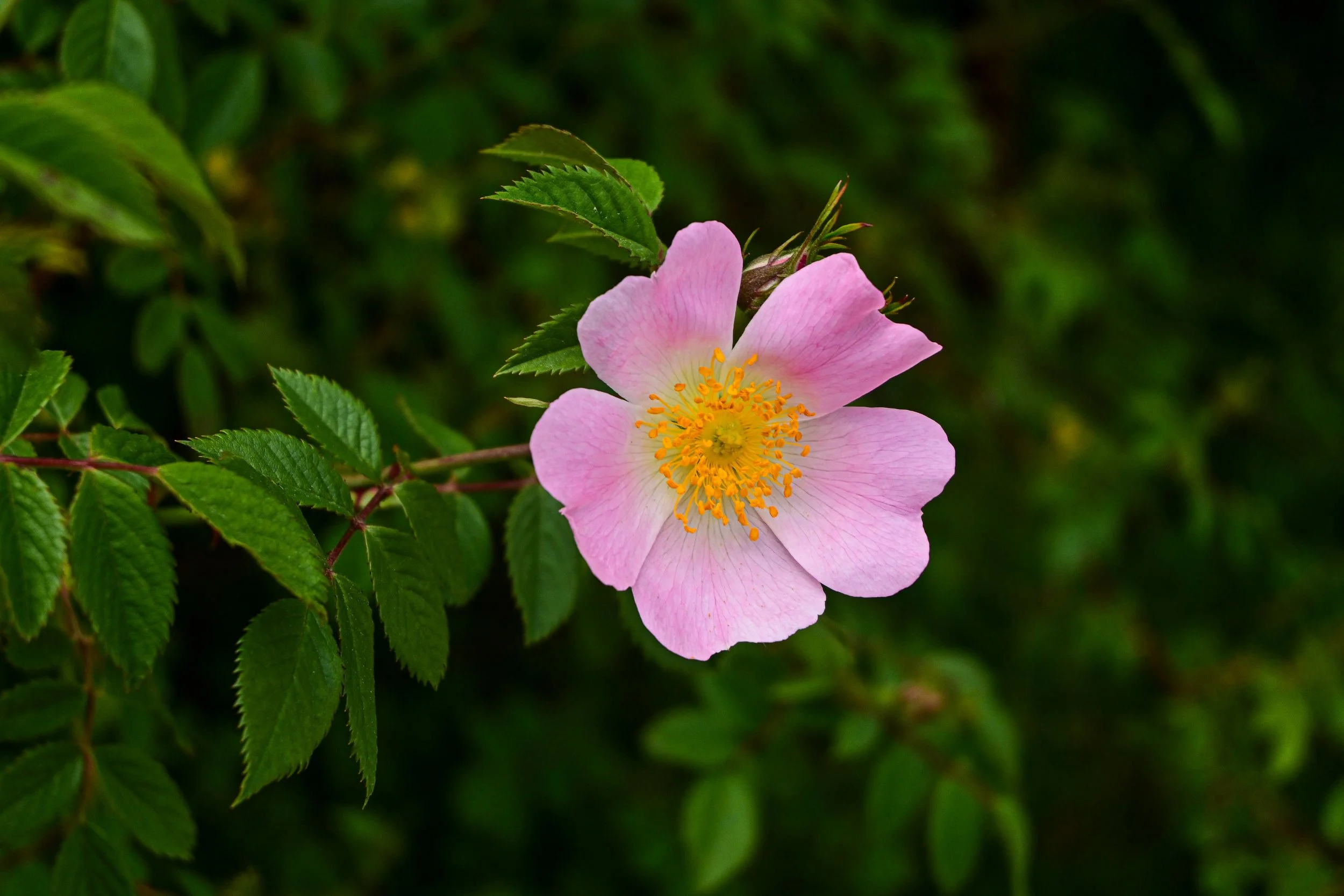
Virginia rose suits sunny, average to drier soil. On ground that stays moist, use swamp rose.
Overused Is Not the Same as Invasive
A clipped yew, boxwood, or panicle hydrangea may be overused in a particular neighborhood without being invasive. Conflating the two makes the conversation less accurate.
Still, the replacement question is useful. When a foundation planting has become a row of identical shrubs, change the composition. Low sumac, blueberry, native ferns, grasses, and a small serviceberry can make a deeper planting.
Williston Horticulture & Design's treats planting as part of a larger plan, with site analysis, planting schemes, and installation oversight. That matters when removal changes views, drainage, circulation, or the garden's architecture.
Remove, Then Replant With Intention
Removal is not the end of invasive management. The Vermont guide explains that seeds can remain in the soil after seed-producing plants are removed, so the area needs monitoring and follow-up until the seed bank is depleted. 1. Disturbed, exposed soil is an invitation for more seedlings.
Decide how the plants will be removed and disposed of. Timing, size, proximity to water, and access for equipment all affect the decision. Don't mow or cut seed-bearing material and assume the job is done. Improper disposal can spread invasive plants.
Once the shrub is out, repair the planting zone before filling it. Manage resprouts and keep the area covered with appropriate mulch or temporary planting. Think layers: small tree, shrubs of different heights, then a ground layer suited to the light.
Give the New Planting Time
Native plants aren't a shortcut around establishment care. UVM Extension says that meaningful establishment takes about three years and recommends watering well, managing weeds, and using organic mulch without burying plant crowns. 2.
That first period can look sparse. Leave room for mature spread rather than packing young shrubs together. Water the root zone and keep mulch back from stems.
Source plants with the full scientific name, including subspecies when appropriate. Vermont Fish & Wildlife recommends Vermont-grown stock where possible and notes that scientific names help buyers avoid accidental non-native or invasive introductions. 4. A label that says only “native viburnum” isn't enough when the planting decision is meant to last decades.
When a Site Needs More Than a Plant List
A home consultation is a practical starting point when the issue is one border, an uncertain shrub identification, a wet pocket, or a planting that keeps failing. Our firm can address plant selection, soil, light, maintenance, and troublesome areas in the context of the property.
For a larger removal and replanting effort, map what stays before choosing what goes. Mature trees, runoff paths, views from inside, property edges, and maintenance belong on the same page. The perfect replacement shrub doesn't exist apart from that picture.