How to Establish and Maintain a Native Plant Garden in Vermont
This article gives Vermont homeowners a three-year plan for establishing and maintaining a native plant garden, including watering, mulch, weeds, and seasonal care. It is designed to set realistic expectations for turning a new planting into a durable, ecologically grounded residential garden.
A Native Garden Needs an Establishment Period
A new native planting is not low-maintenance on day one. It has open soil, small root systems, weather exposure, and plenty of room for weeds to arrive before the intended plants occupy the space. This is normal. University of Vermont Extension advises gardeners to expect about three years of establishment, even though native plants can need less water and intervention once they settle in. 1.
If you are still choosing the palette, go to the native Vermont plants hub to start with site conditions and design purpose first.
The first three growing seasons are a handoff. Year one is protection. In year two, the planting starts to knit together. By year three, it should need less routine attention. I want to emphasize that native does not mean unmanaged, it means selecting a plant community that works with the site.
Start with the conditions you have. Light, drainage, soil, slope, mature tree roots, available space, and water movement should drive plant selection. Choosing the plants first creates much of the later maintenance burden. UVM Extension likewise recommends assessing sun exposure, drainage, and soil type before selecting native plants. 1.
Prepare the Site Before You Plant
Good establishment begins before the first plant goes in. Remove persistent weeds and invasive plants, notice where runoff collects, and decide how the bed will be watered.
Keep the plant labels and a simple record of botanical names, sources, locations, and planting dates. Vermont Fish & Wildlife recommends knowing a plant's full scientific name, including subspecies where appropriate, to avoid buying non-native or invasive material. 2.
After planting, water the root balls in thoroughly. While a brief rain shower may wet the foliage and the top layer of mulch it will not reach the plants roots.
For a larger property, installation can happen in phases. A plan still matters because drainage, paths, views, and mature size do not follow a homeowner's schedule. Williston Horticulture & Design's full landscape design service can support a phased, site-responsive planting plan.
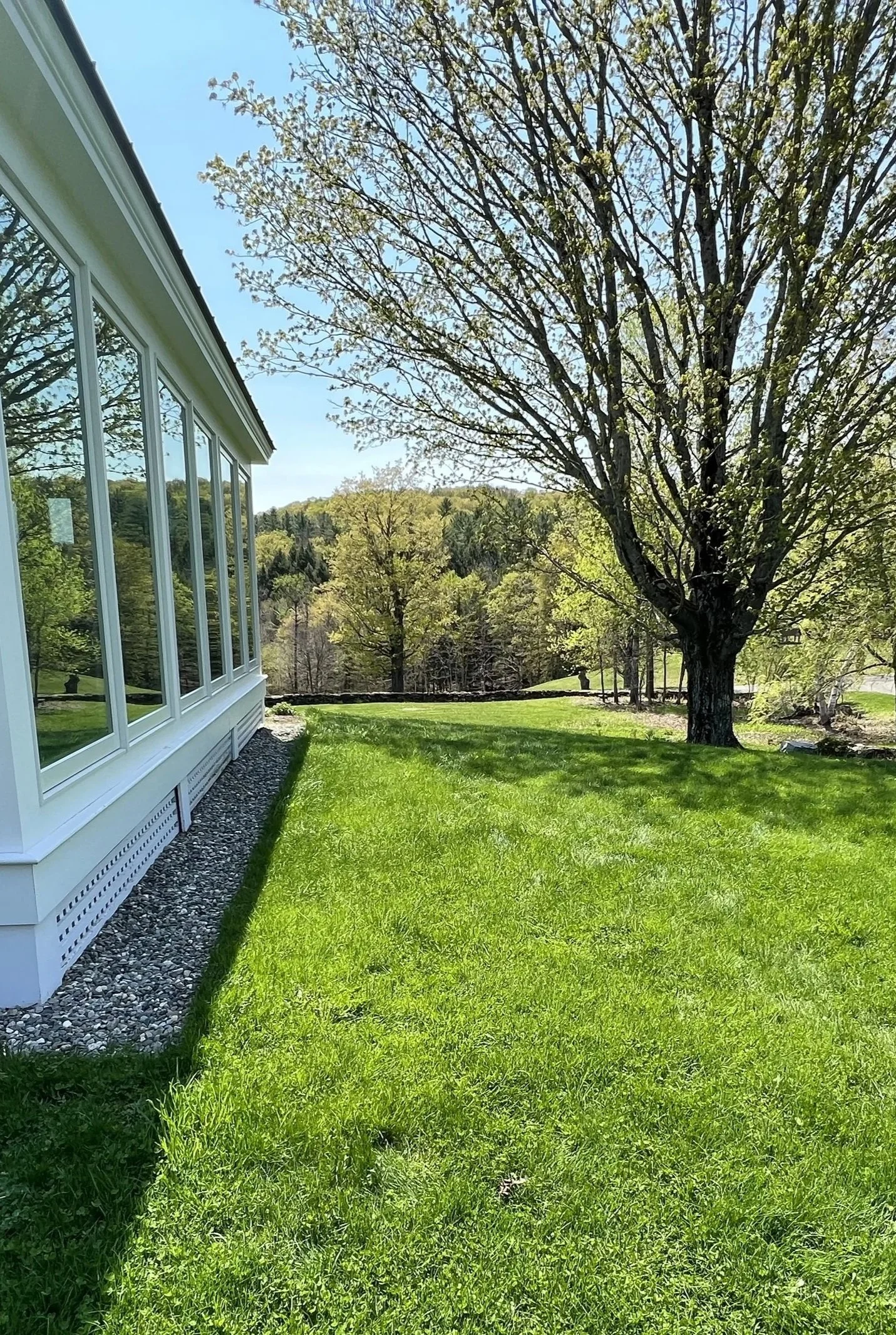
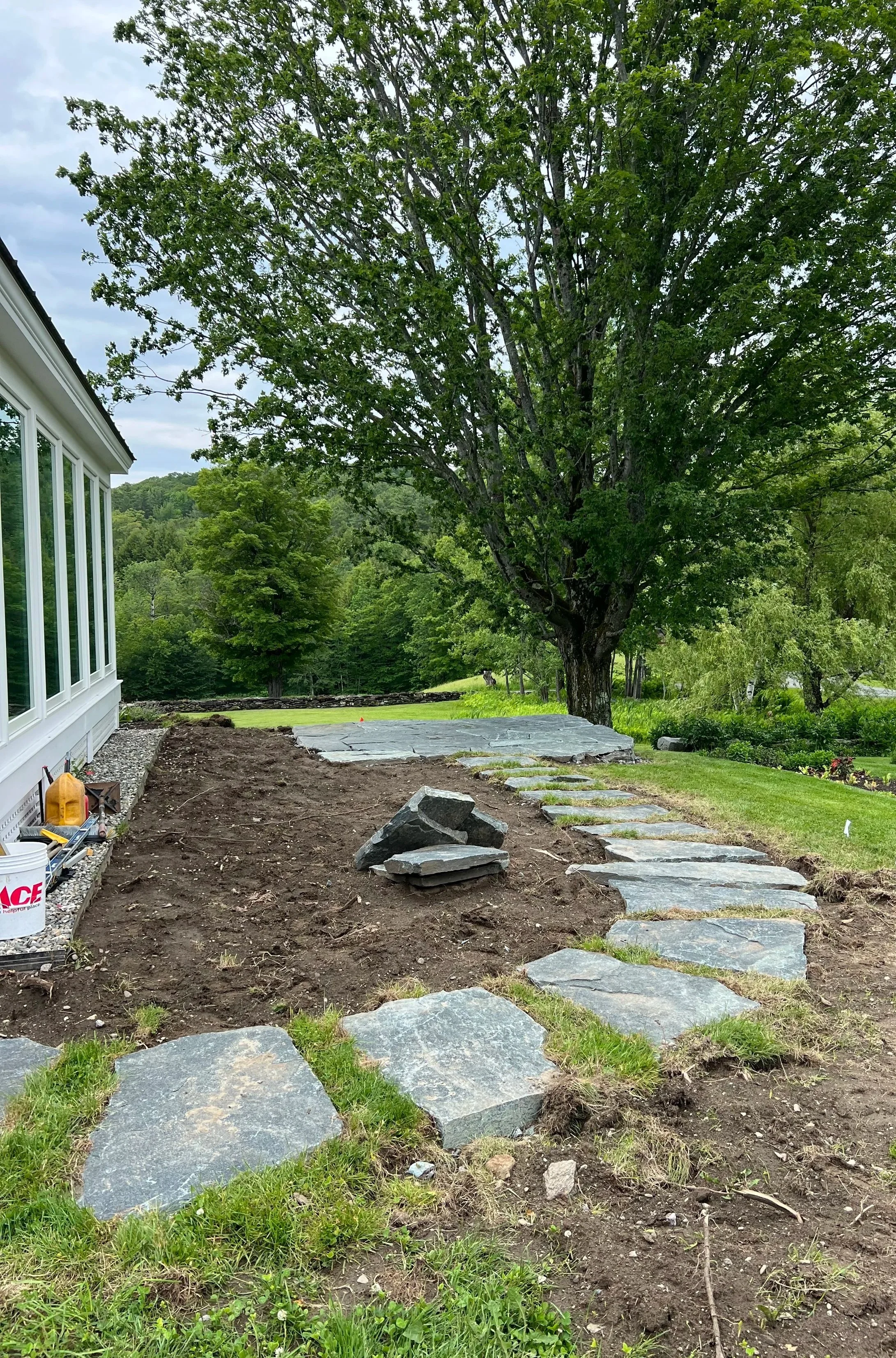
Year One: Protect Roots and Control Competition
The first year can look sparse. That is not a flaw in the design. Perennials, shrubs, and trees need time to establish roots, while the bare ground between plants remains vulnerable to drying and weed seed.
Water for Root Establishment
Water when the root zone begins to dry, not because a calendar says it is watering day. Check beneath mulch near the roots. If soil is dry below the surface, water slowly enough to soak the root ball. A thorough soak will always beat a frequent light sprinkling.
Heat, wind, slope, sandy soil, and mature tree roots can increase water demand. Newly installed trees and shrubs deserve particular attention. A low spot that stays wet after rain does not need added water because the rest of the bed does. I always tell my clients that the plants and site sets the schedule, you just need to observe it.
In the heat of summer, timing your watering routine makes all the difference for plant health and water conservation. Avoid midday watering because the peak sun will evaporate moisture before it ever reaches the roots. Instead, water in the early morning or the evening. Aim for the base of the plant so the moisture can penetrate deep into the root zone.
During dry stretches, always inspect the garden. Keep an eye out for wilt, it deserves a closer look.
Use Mulch, But Do Not Smother Plants
Mulch buys time in a young garden. It shades soil, reduces moisture loss, and makes weed seedlings easier to spot. Use organic material that breaks down, such as shredded leaves, compost, or pine needles.
Apply a shallow layer and pull it back from stems, trunks, and crowns. Mulch mounded against a plant traps moisture which can lead to bigger problems down the road.
Deep, uninterrupted mulch may block ground-nesting bees from reaching soil. 1. Leave patches of exposed, undisturbed soil where they won't create erosion or a weed issue.
Weed Early, Not Heroically
Short, frequent weeding sessions beat an August rescue mission. Pull or cut weeds while they are small, before they shade new plants or make another seed crop. The best time to weed is right after it rains when the soil is still moist. It allows for the roots release easily.
Learn the young foliage of the plants you installed. In a diverse planting, natives can resemble weeds, while a desirable plant may appear outside the original layout. Flag unfamiliar seedlings until you identify them.
Vermont Invasives defines invasive species as non-native organisms that cause harm and notes that they can spread quickly and outcompete native plants. Its guide covers 12 common species, including Japanese barberry, burning bush, common buckthorn, garlic mustard, Japanese knotweed, and purple loosestrife. 3. Identify the plant before treatment. Larger or regulated infestations may need a more site-specific plan.
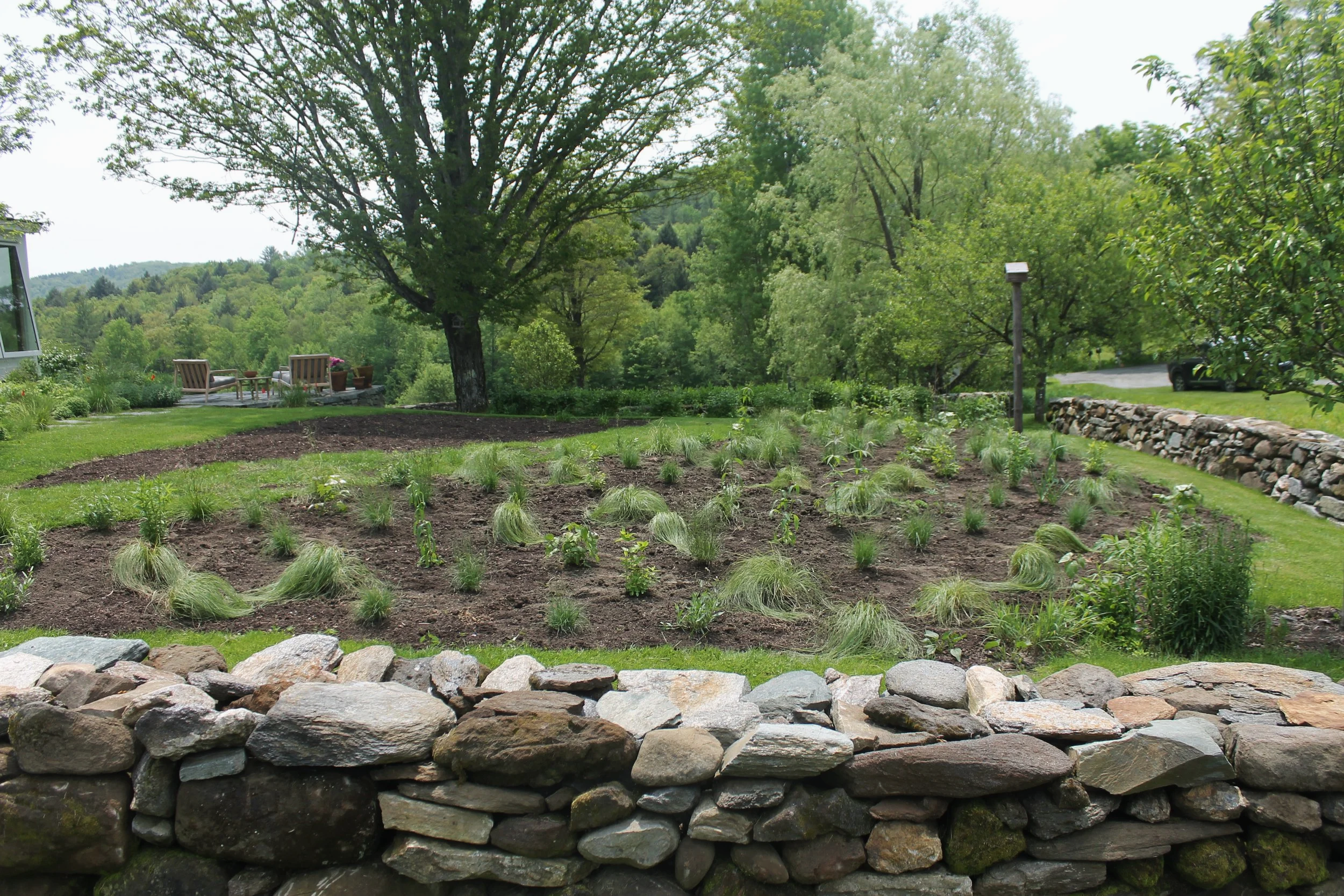
Year Two: Edit, Replace, and Let Plants Fill In
By the second season, perennials should bulk up, grasses should show form, and woody plants should add structure. Weed pressure can remain high as there will still be some gaps within the garden.
Walk the bed through active growth. Look for plants that have died, plants crowding neighbors, and weeds about to set seed. Replace a true failure with a plant suited to the condition you observed. Gardens are constantly evolving, there is nothing wrong with noting something that didn’t work. Its just important not repeat it!
Water less often but deeply during drought, especially for woody plants and late additions. Established-looking foliage is not proof of an established root system. Wet the root zone, then let the soil surface begin drying before checking again.
Mulch may need a light refresh, not a reset. Restore coverage where the old layer has decomposed or shifted. Keep leaf litter where it will not smother crowns or block seedlings.
Now a planting's intended character becomes clear. A formal border may need editing to protect circulation, views, and plant layers. A looser planting can allow more self-sowing and seasonal change.
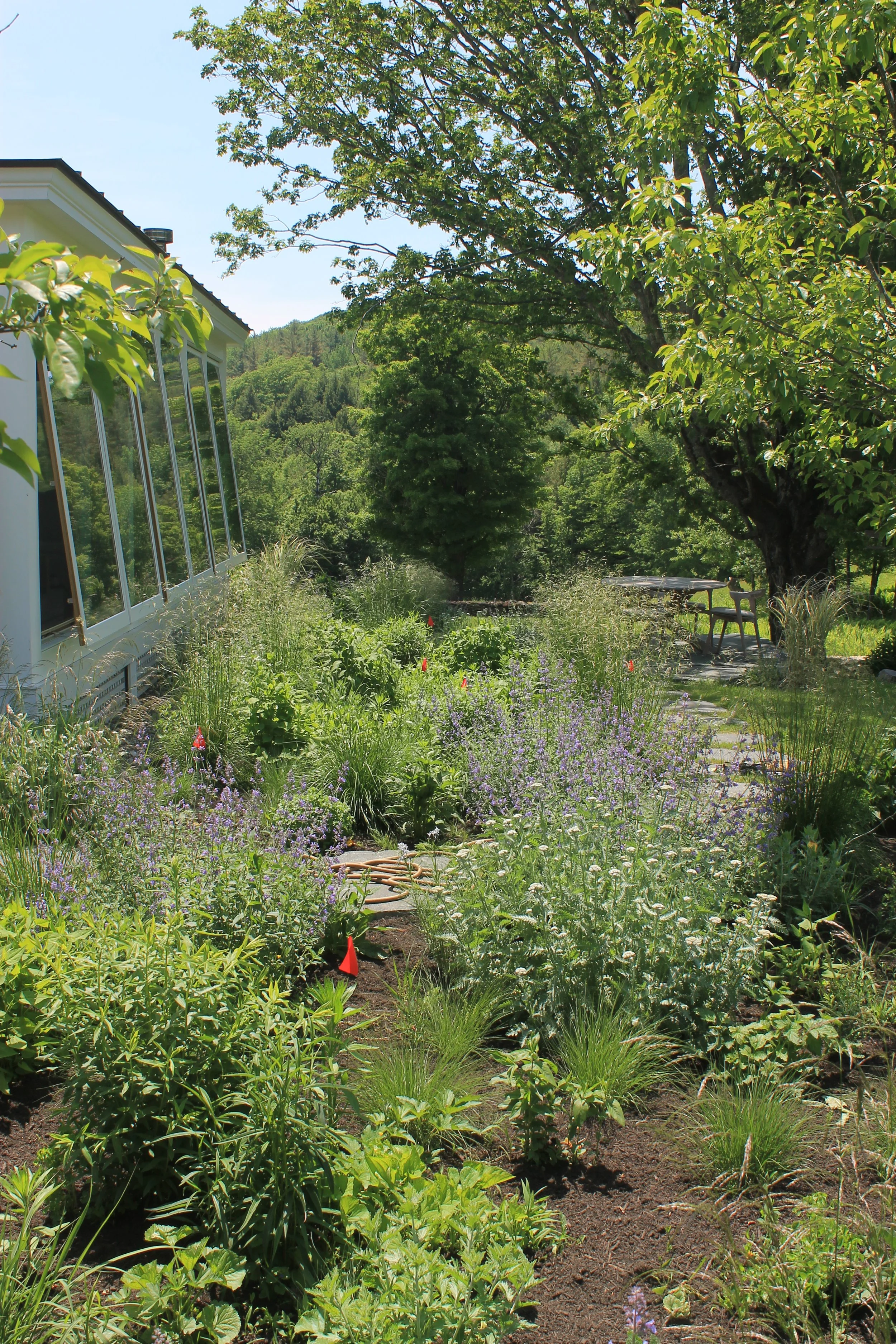
Year Three: Move From Establishment to Stewardship
Around year three, plants suited to their locations should need less routine watering and mulching. That is a direction, not a guarantee. Drought, browsing, disease, storm damage, compacted soil, and a mismatched species can change the workload.
The work changes shape. Instead of rescuing individual plants, you are managing a composition.
Water during droughts, paying extra attention to replacements and woody plants. Remove invasive plants and weeds before they seed. Thin or divide perennials only when crowding affects vigor, access, or the planting's design. Leave healthy stems and seedheads where they provide structure or habitat, then tidy as spring growth makes the timing clear.
Vermont Fish & Wildlife describes pollinator-friendly plantings as wildflowers, forbs, grasses, shrubs, and trees that provide habitat, forage, and migratory way stations. 4. Remember to steward the whole planting, not only the flowers.
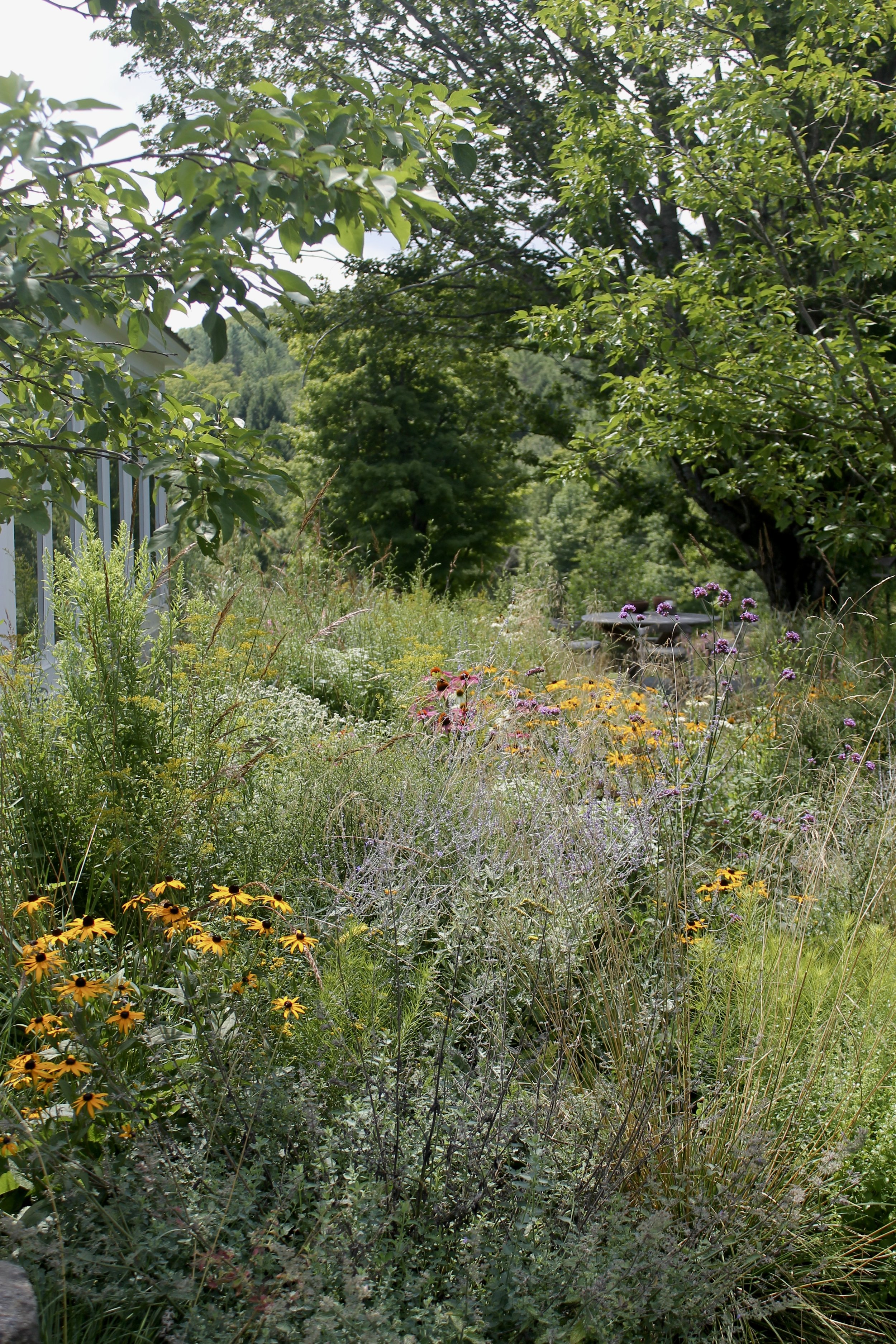
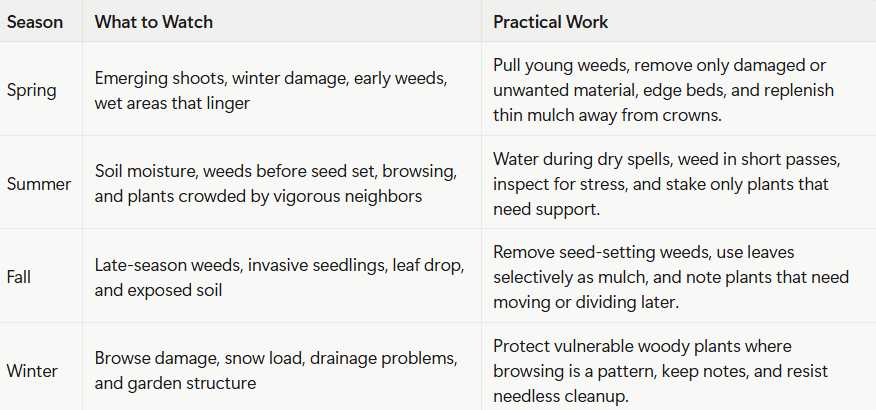
Seasonal Care for Vermont Gardens
Seasonal care is observation, not fixed chore lists.
Do not fertilize by reflex. When plants decline across an area, inspect drainage, compaction, light, root competition, and species selection before adding amendments. It is the more useful diagnosis than assuming it needs soil additives.
Plan for the Maintenance You Can Actually Do
While a native garden reduces inputs, it cannot eliminate attention entirely—requiring seasonal spring assessments, weed management, drought checks, invasive removal, and purposeful editing.
For larger, steep, or complex sites, a deliberate stewardship plan ensures long-term vitality. If you prefer a hands-on approach, we offer customized stewardship guides and home landscape consultations to map out clear next steps for tricky spots, plant selection, drainage, or seasonal care before small challenges turn into major repair projects.