Landscape Design in Woodstock, Vermont: Cultivating a Legacy of Stewardship
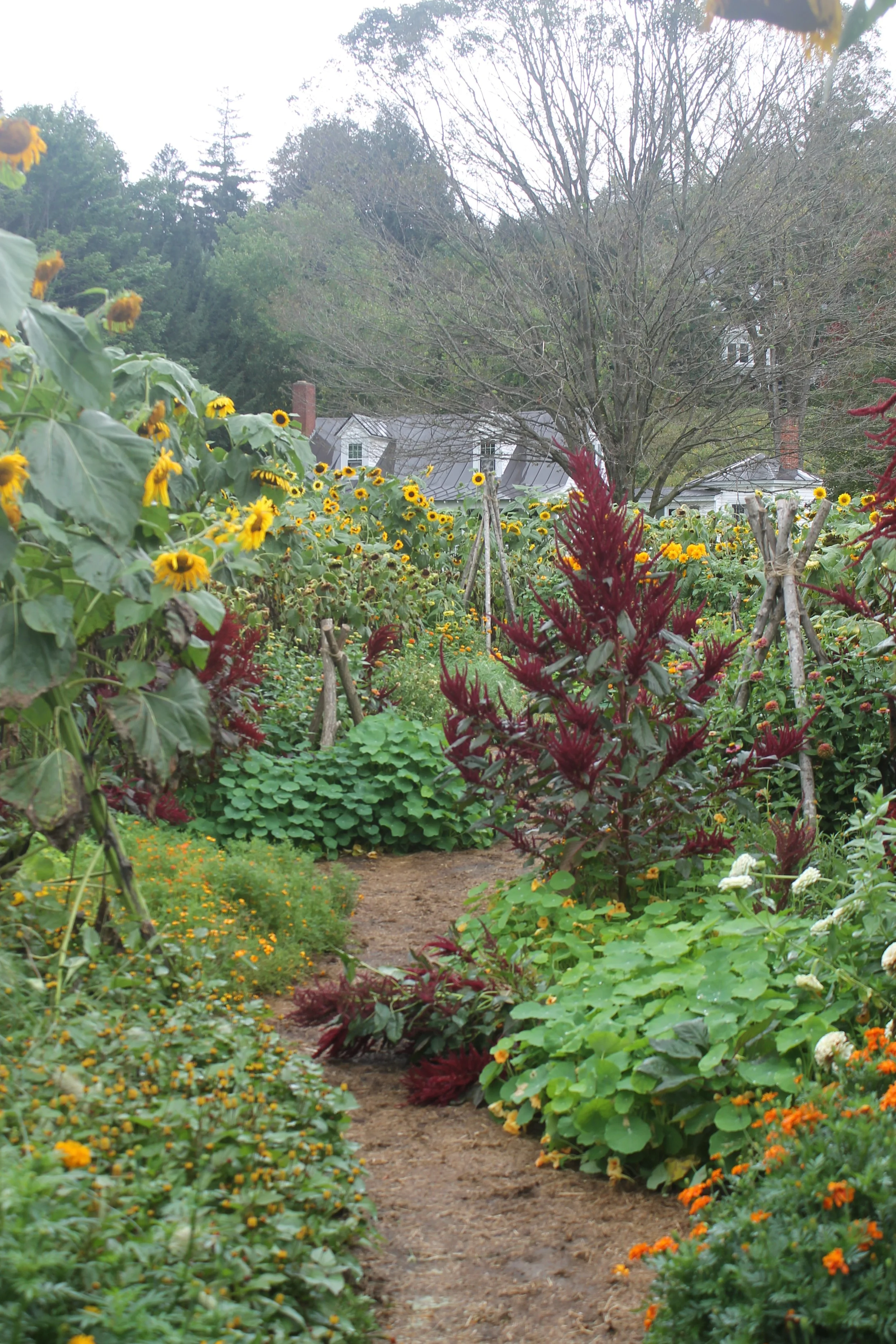
Woodstock, Vermont, is more than just a picturesque New England village; it is a living testament to a profound legacy of land stewardship. As a landscape designer in Woodstock, Vermont, understanding this deep-rooted history is fundamental to crafting outdoor spaces that are both beautiful and ecologically sound. From the pioneering conservation efforts of George Perkins Marsh to the artful gardens of the Country Place Era, Woodstock’s past directly informs the present challenges and opportunities in creating resilient, elegant landscapes.
The Cradle of Conservation: A Design Ethos Born from the Land
The story of landscape design in Woodstock, is inextricably linked to the birth of the American conservation movement. It was here that George Perkins Marsh, witnessing the devastating effects of deforestation on his family's land, wrote Man and Nature in 1864, a novel that awakened America to the ecological consequences of unchecked development. 1 Inspired by Marsh, Frederick Billings later purchased the property, embarking on a radical experiment in reforestation and sustainable land management that transformed Mount Tom into one of the nation's oldest working forests. 2
This heritage of thoughtful intervention and ecological restoration defines the very spirit of landscaping in Woodstock. At Williston Horticulture & Design, we don't just design gardens; we curate ecosystems that honor this legacy, ensuring that every project contributes to the long-term health and beauty of the Vermont landscape. Our approach to landscape design in Woodstock is rooted in this historical understanding, blending timeless aesthetics with cutting-edge ecological practices.
Designing with History: The Influence of Master Gardeners
Woodstock's landscape also bears the undeniable mark of some of America's most celebrated landscape architects. The Marsh-Billings-Rockefeller National Historical Park showcases gardens designed by Charles Platt, Martha Brookes Hutcheson, and the legendary Ellen Biddle Shipman. 3 Shipman, renowned for her ability to create lush, painterly perennial borders, demonstrated how formal structure could be softened with romantic, informal plantings. Her work, alongside Platt’s eye for architecture, provides a rich tapestry of design principles that continue to inspire contemporary landscape designers all across the world today.
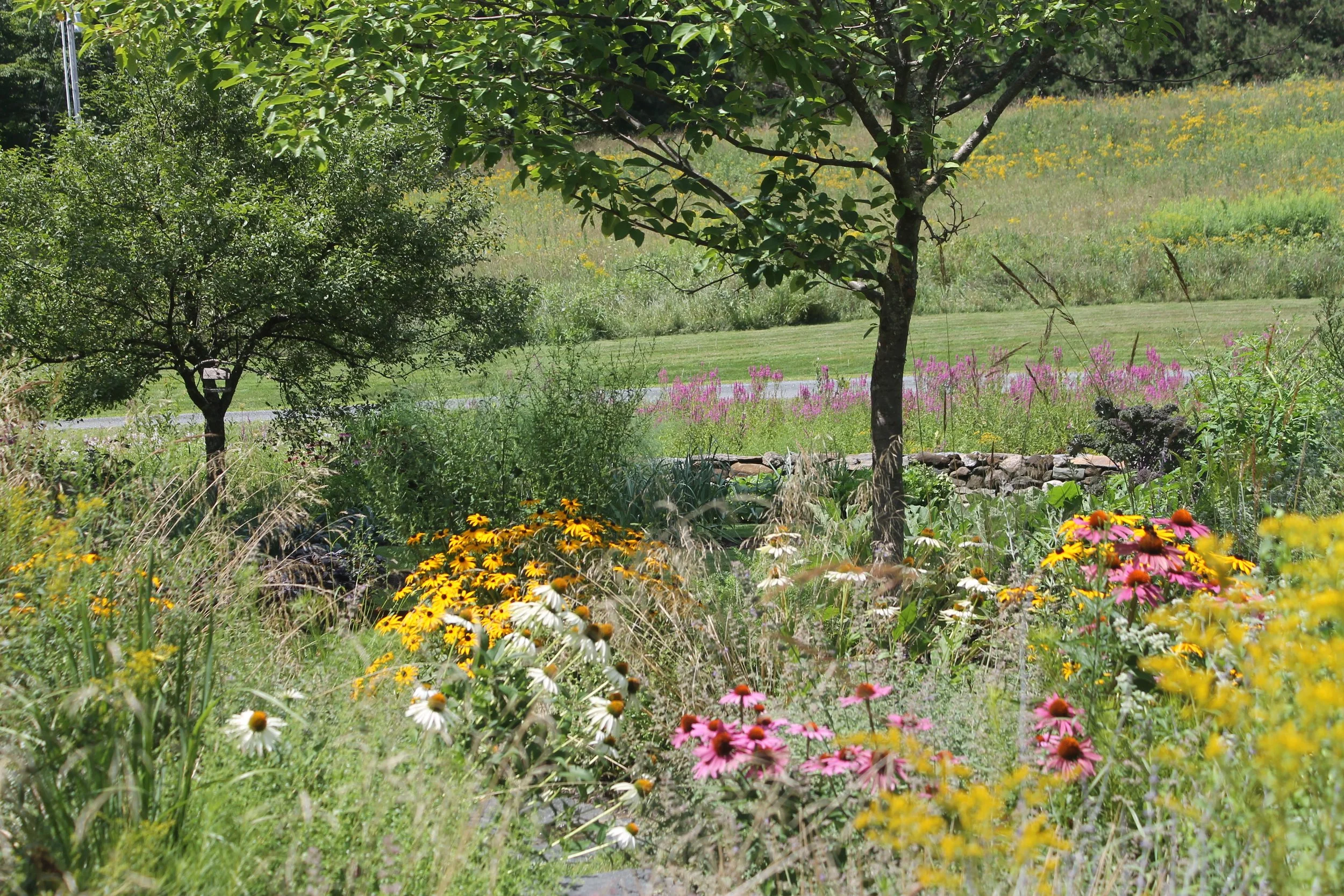
At Williston Horticulture & Design, we draw from these historical precedents, not to replicate them, but to adapt their wisdom to modern needs. We understand that a truly exceptional landscape is one that respects its past while serving the present, creating a harmonious blend of tradition and innovation. Our portfolio of projects reflects this balanced approach, crafting outdoor spaces that are both historically sensitive and perfectly suited to today’s lifestyles.
The Woodstock Palette: Cultivating Resilience in Zone 4b
Just as the early conservationists understood the unique challenges of the Vermont landscape, successful landscape designer demands a deep understanding of local microclimates. The Ottauquechee River valley, for instance, is prone to "frost pockets" where cold air settles, creating distinct growing conditions compared to the sun-drenched hillsides. 4 Our "Right Plant, Right Place" philosophy, as detailed in our Stowe plant selection guide, is particularly vital here.
We carefully select species that not only thrive in USDA Zone 4b but also respond to the specific nuances of your property’s sun exposure, soil type, and moisture levels. Our goal is to create landscapes that are not just beautiful for a season, but robust and self-sustaining for years to come.
Curated Selections for Woodstock Properties
Trees for Structure & Legacy
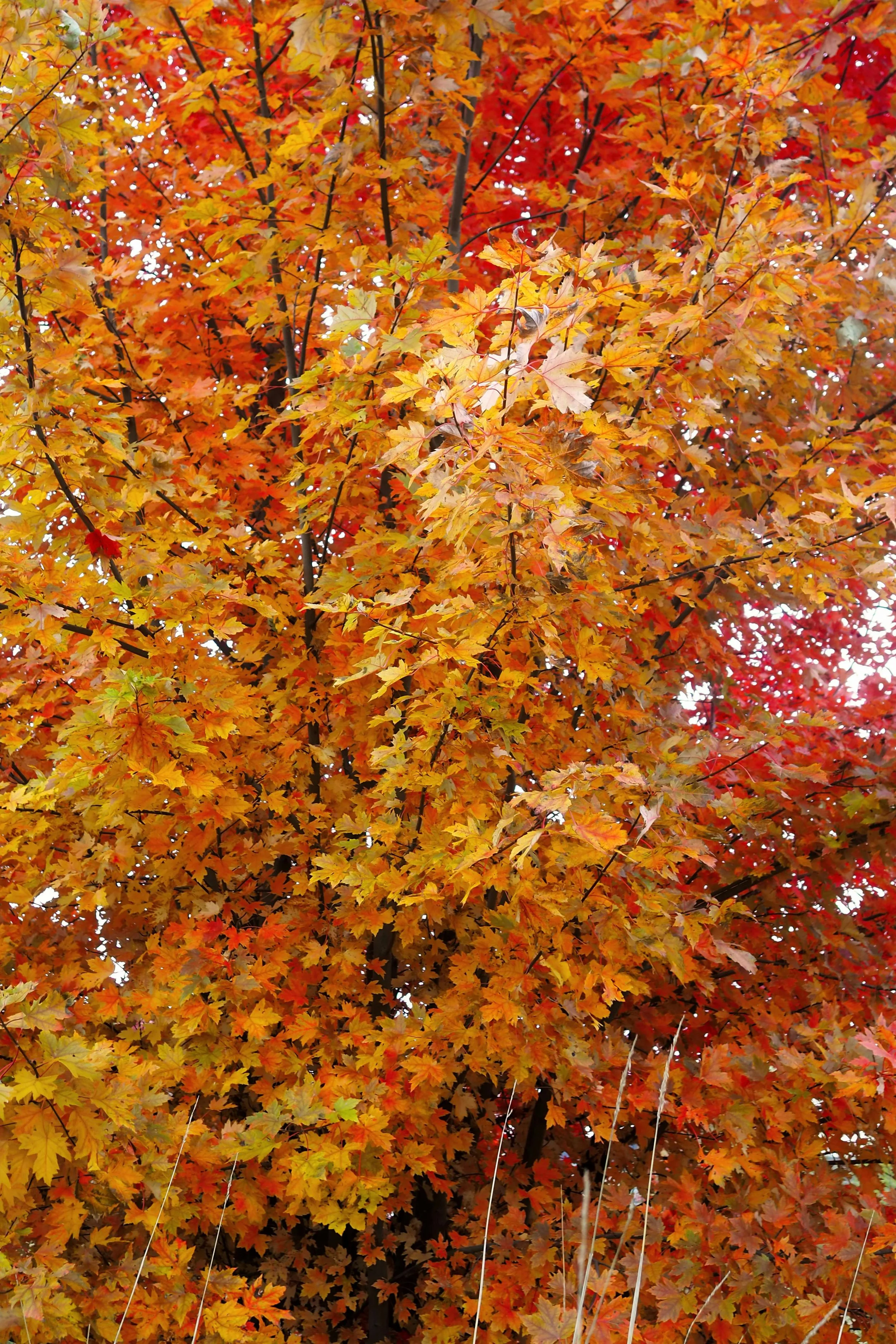
Following Billings’s example, we select hardy, long lived trees that provide both aesthetic appeal and ecological benefit. Native Sugar Maples (Acer saccharum) offer stunning fall color and a nod to Vermont’s heritage, while Paper Birches (Betula papyrifera) provide iconic winter interest and thrive in Woodstock’s rocky, glaciated soils. 5
Shrubs for Layering & Wildlife
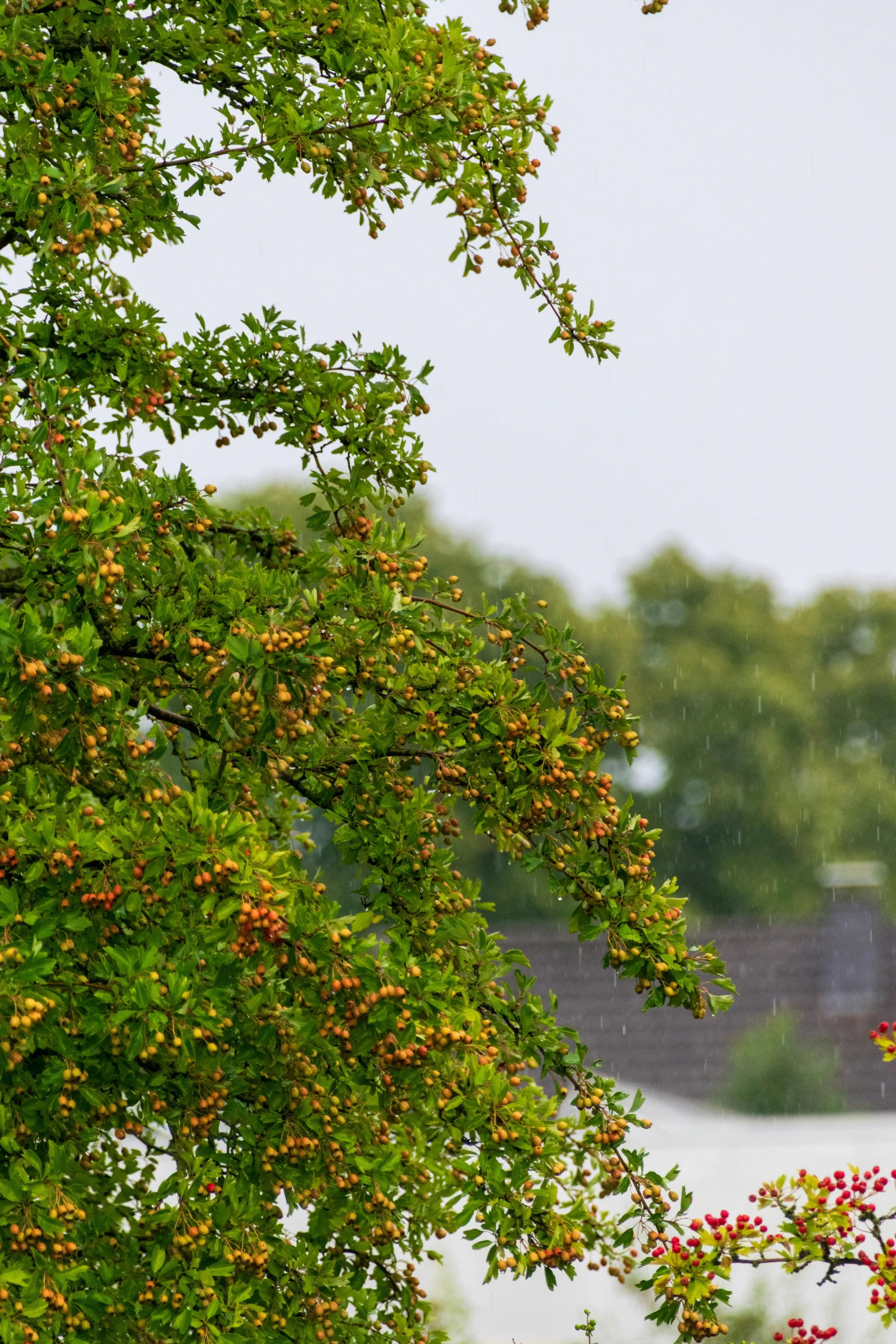
Red-twig Dogwood (Cornus sericea) offers brilliant winter stems and resilience to heavy snow loads, often found along the Ottauquechee riverbanks. Serviceberry (Amelanchier canadensis) provides delicate spring blooms, edible berries, and vibrant fall foliage, echoing the agricultural heritage of places like Billings Farm & Museum.
Perennials for Painterly Beauty & Pollinators
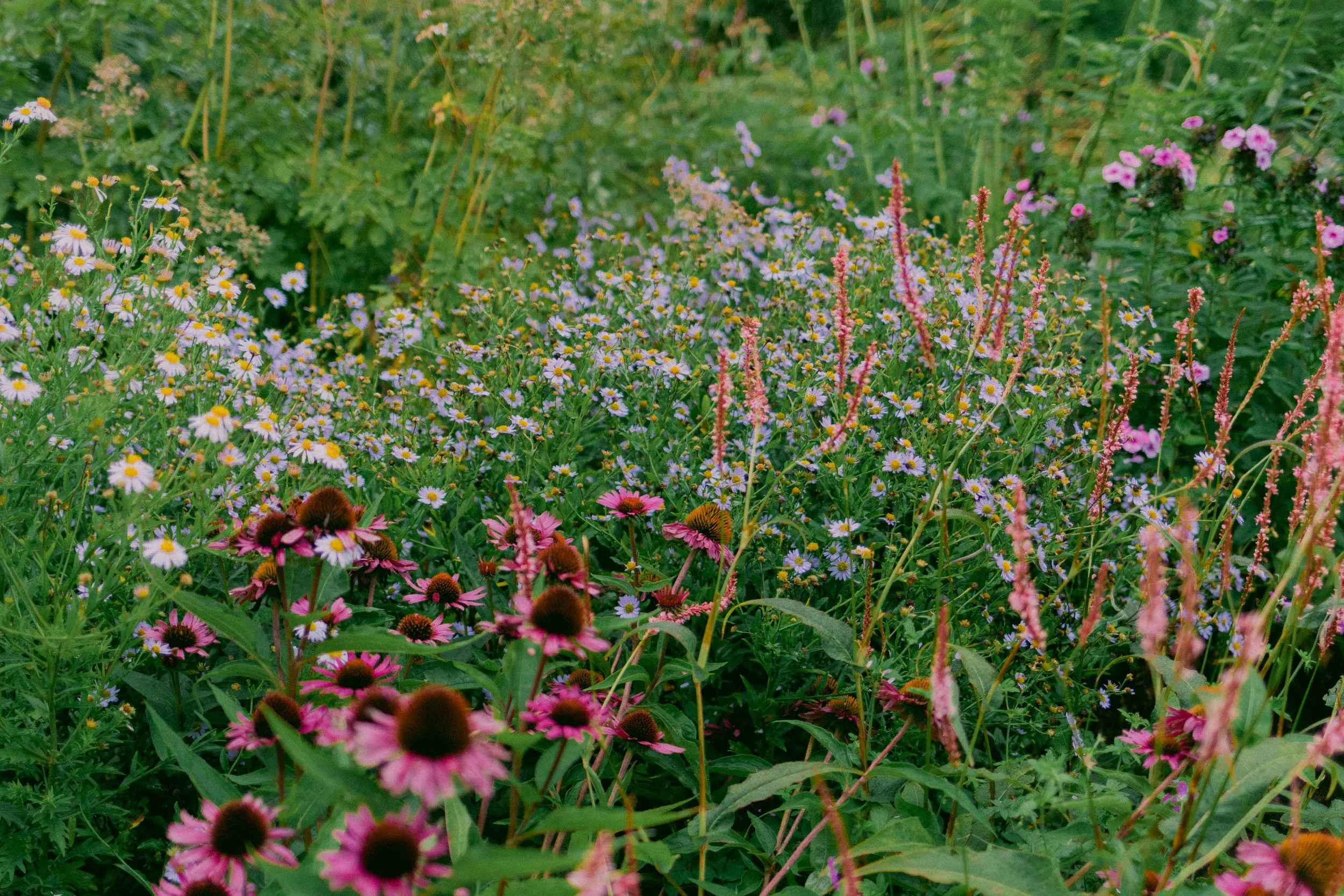
Inspired by Shipman’s artistry, we design perennial borders with high-performance species like New England Aster (Symphyotrichum novae-angliae), Purple Coneflower (Echinacea purpurea), and Bee Balm (Monarda). These selections provide continuous bloom, support vital pollinators, and contribute to the "painterly" feel of a historic Woodstock garden.
Modern Stewardship: Your Woodstock Landscape Design Service
An exceptional landscape in Woodstock is a testament to thoughtful stewardship—a blend of historical appreciation, ecological science, and contemporary living. Whether your property is a historic village home, a riverfront estate, or a hillside retreat, our landscape design service is dedicated to creating outdoor spaces that are both deeply rooted in place and perfectly suited to your lifestyle.
By choosing Williston Horticulture & Design, you are investing in a landscape that not only enhances your property but also contributes to the ongoing legacy of conservation and beauty that defines Woodstock. Ready to cultivate your own piece of this remarkable heritage? Get in touch with us to schedule a consultation and begin your design journey.