The New American Front Lawn
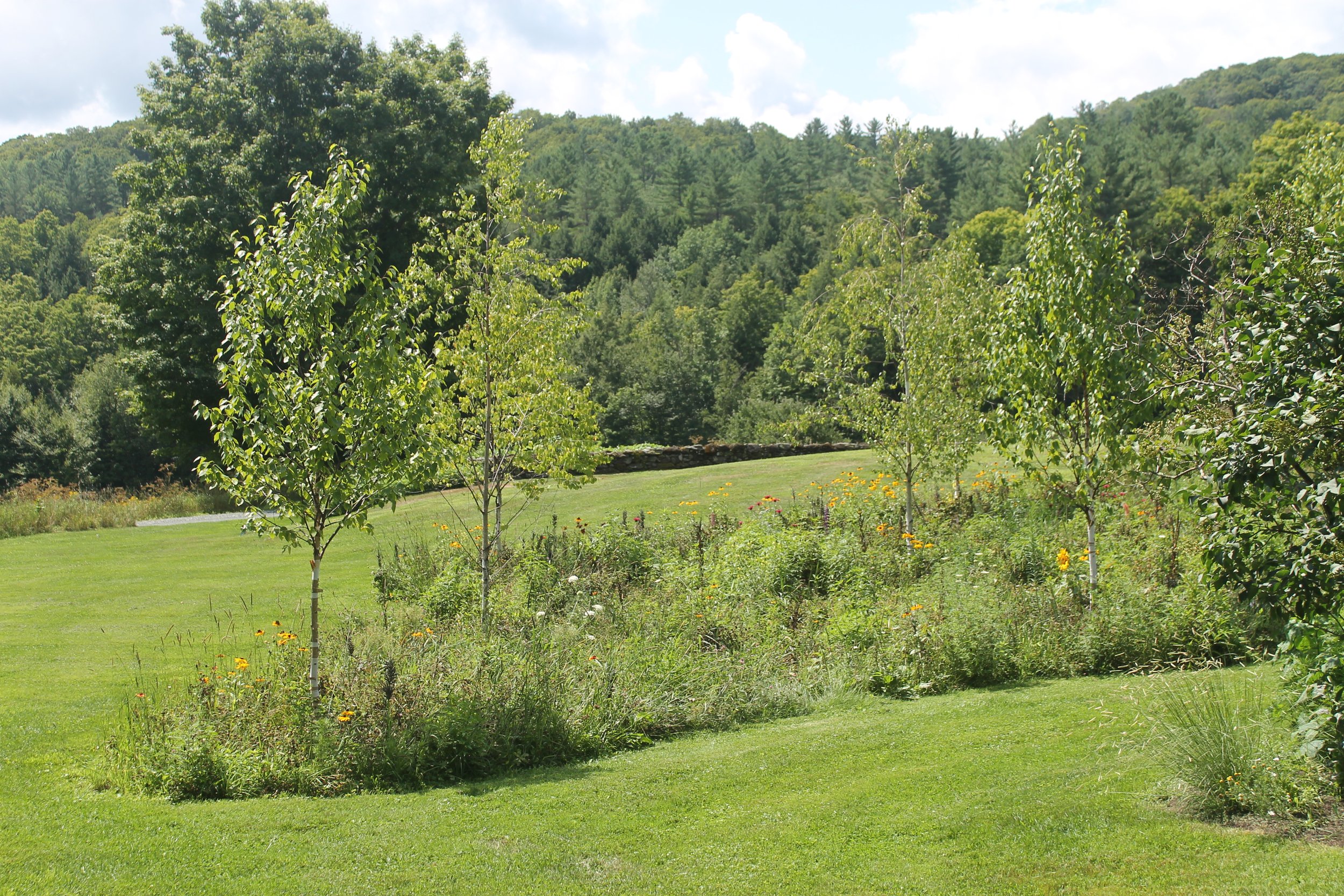
New England homeowners planning a landscape renovation, or virtual landscape design project, often hit a wall when deciding what to do with the front yard. The core problem is that traditional turf grass demands endless irrigation, chemical inputs, and weekly mowing, offering nothing back to the local ecosystem in return. Native grasses, pollinator habitats, and structured wildflower lawn designs are the modern alternative. This shift from sterile monoculture to ecologically curated space is what most landscaping services won't tell you about. Williston Horticulture & Design builds these regenerative landscapes to thrive without the constant chemical life support.
The Math behind the Grass
I remember looking at a soil test from a pristine coastal property in 2022. The numbers were unsettling.
Every year, Americans dump 80 million pounds of pesticides onto their yards. We use 9 billion gallons of water every single day just to keep non-native grass green. And for what? A flat carpet that provides zero habitat for local wildlife, compacts the soil beneath it, and requires a chemical drip to stay alive.
Most people skip this part and wonder why nothing's working.
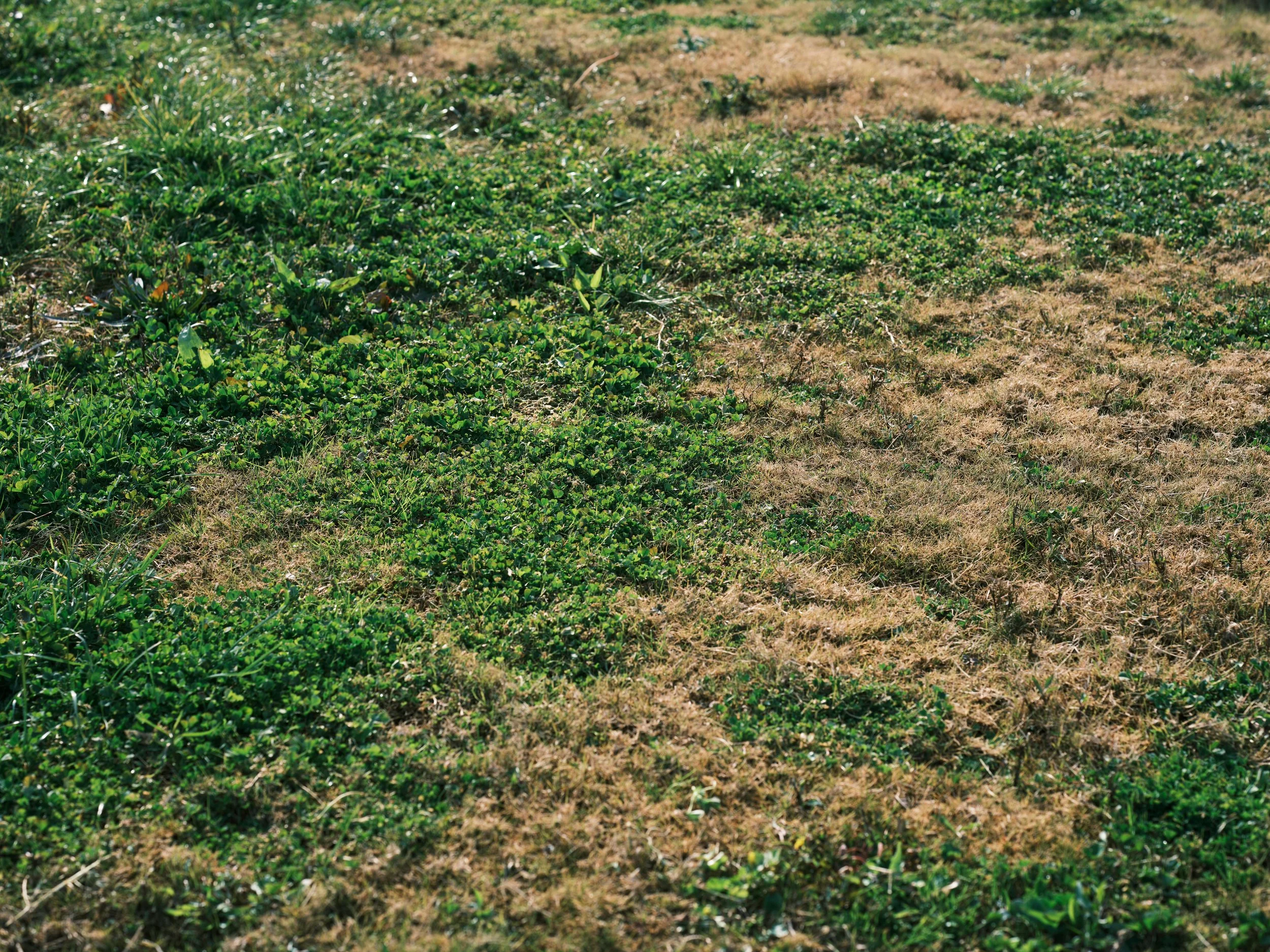
The soil beneath a conventional lawn is often biologically dead. It’s stripped of the fungal networks and microbial life that healthy plants depend on. The ground will tell you eventually, usually through patchy die-off, runoff problems, or a lawn that needs more and more product just to look the same as last year.
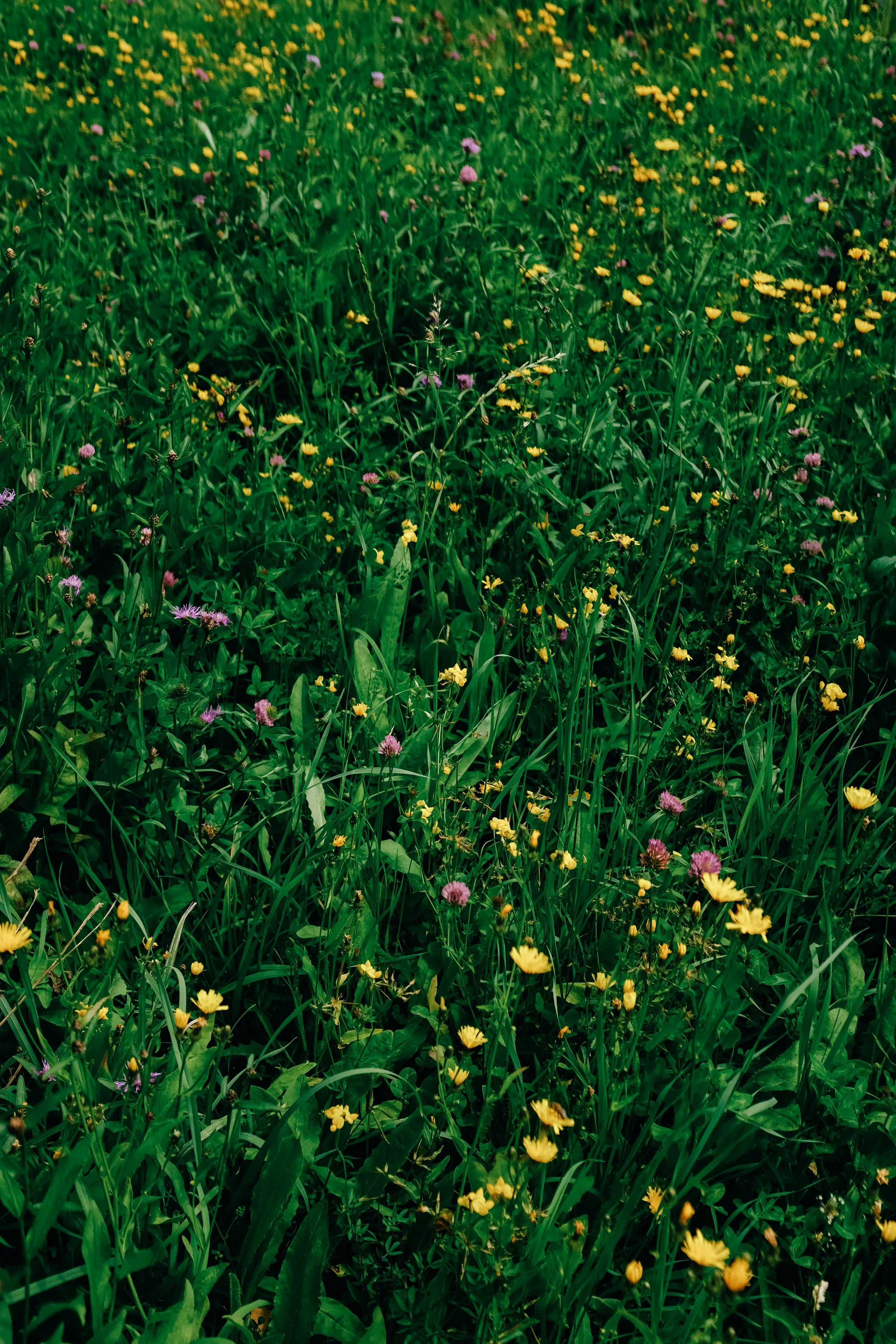
A wildflower lawn changes the equation. When you replace lawn with native plants, you stop fighting the environment and start working with it. Deep-rooted native species pull water from far below the surface. They don't need synthetic nitrogen or daily sprinklers. Some of them, once established, won't need you to do much of anything at all.
Why a Wildflower Lawn makes sense now
In the past five years New England as a whole has seen warmer winters and more intense, unpredictable storm events. Hardiness zones are shifting at drastic rates. A native front yard built with species adapted to these specific stressors acts as a shock absorber for your property. It can manage stormwater runoff and provides critical forage for native bees and birds.
Some clients worry that a meadow will look messy. That's a fair concern if you just stop mowing and let weeds take over. But an ecologically curated landscape is highly intentional. We use specific landscape project site analysis and horticultural science to design a space with a planned succession of blooms and textures rather than a field of whatever decided to show up.
The Homegrown National Park initiative has documented that converting even a fraction of American turf to native plantings would create a connected habitat corridor across the country. That's not a small thing. Your front yard is part of a larger system, whether you think of it that way or not.
Replacing turf with a native front yard
The process of lawn to meadow conversion requires patience and precision. You can't scatter seeds on existing grass and expect a meadow to appear overnight.
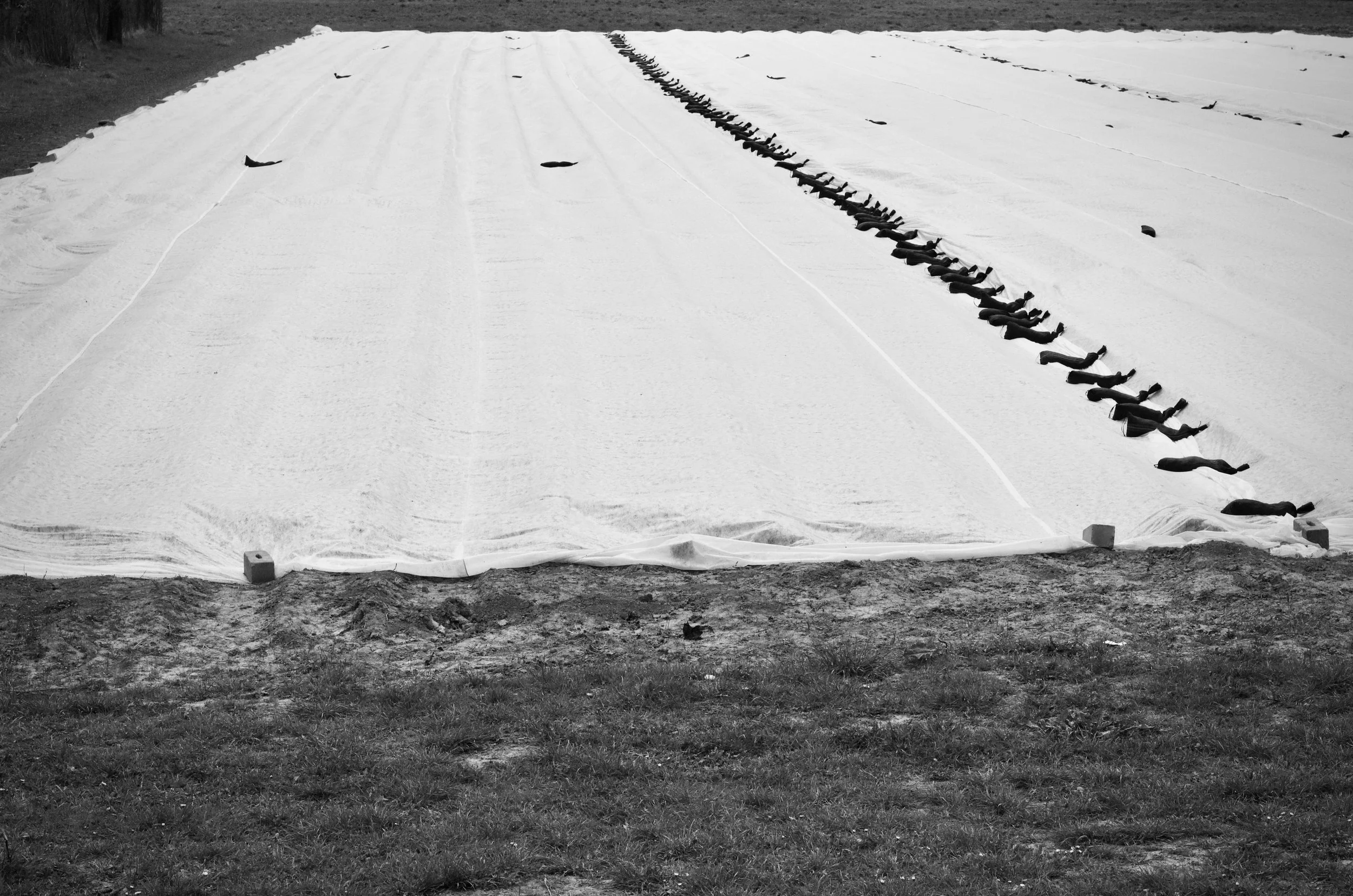
The turf has to go first. We typically use solarization or mechanical removal to clear the site. Solarization is a process done by covering the lawn with clear plastic sheeting during the summer months, it uses heat to kill the grass and weed seeds in the top few inches of soil. This takes about six to eight weeks and works well for most New England properties. Mechanical removal is faster but more disruptive to the soil structure.
Then comes soil preparation. We don't add heavy fertilizers. Native plants actually prefer leaner soils - rich, heavily amended ground encourages aggressive weeds to outcompete the wildflowers you're trying to establish. This is the part that surprises most clients.
A few things we assess before selecting the plant palette:
Site analysis and sun mapping to determine the ratio of grasses to forbs
Drainage patterns to guide placement of deep-rooted species like wild bergamot and blue wild indigo
Soil pH and texture to identify which native species will establish fastest. We map all of this out during our 7-phase landscape design process. It's the only way to ensure the planting succeeds past the first season. Timing matters too. Fall seeding allows native seeds to cold-stratify naturally through the winter and germinate in spring. Spring seeding works but requires more irrigation support during establishment. Both can succeed with the right species selection.
The Maintenance Myth & what Garden Stewardship actually looks like
There's a persistent idea that native gardens require zero work.
That's not true.
Every designed landscape requires management. The difference is the type of work involved. Instead of weekly mowing and chemical spraying, a meadow requires thoughtful stewardship. You're guiding the growth, managing invasive species, and making seasonal adjustments. It's a different skill set than lawn care - and a more interesting one, if you're willing to learn it.
The first two years are the most demanding. Weeds will try to move in. You have to know what you're looking at to pull the right things. A trained eye can distinguish a young coneflower seedling from a garlic mustard sprout.
We offer private gardening services for exactly this reason. A complex meadow evolves over time. Some species will thrive and spread. Others might fade back. An expert knows when to intervene and when to let the plants work it out themselves.
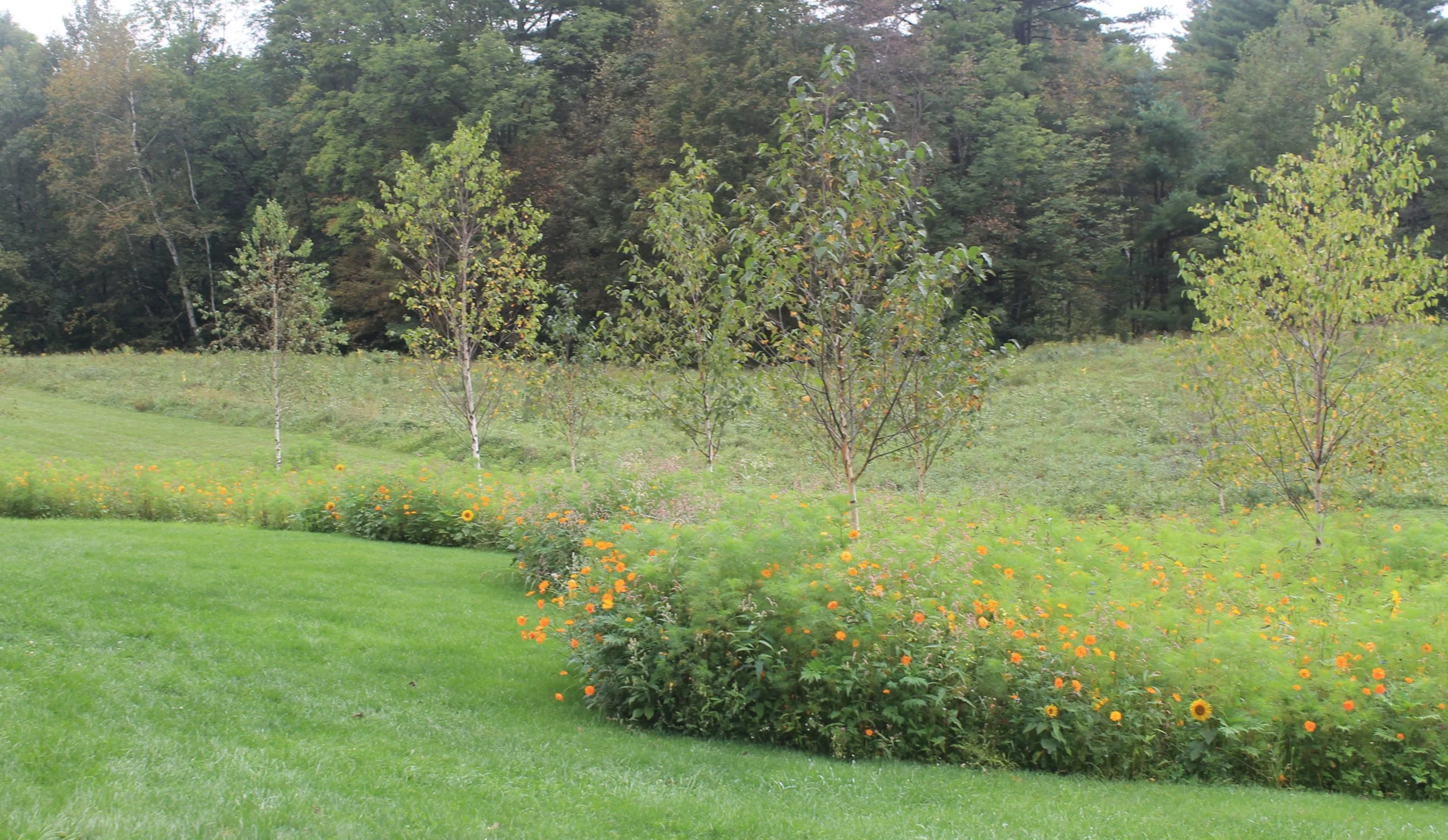
The real payoff is in year three. At this point deep roots have established, the bloom succession is running, and the bees have found it. It’s genuinely worth the patience.
Frequently asked questions
Can I just throw wildflower seeds over grass?
No. Scattering seeds over an existing lawn almost never works. The seeds need direct contact with bare soil to germinate, and established turf grass will outcompete fragile new seedlings for water and light. Soil preparation is non-negotiable.
How do I turn my lawn into a wildflower meadow?
Start by removing the existing grass through solarization, smothering, or mechanical removal. Once the soil is bare, sow a site-specific native seed mix or plant plugs, with timing and species selection matched to your region. Expect two to three years before the meadow looks fully established.
What are the disadvantages of a wildflower meadow?
They look dormant and brown during winter months, which some neighbors find objectionable. They also require careful weed management during the first two to three years of establishment.
Do wildflowers come back every year?
Yes, if you plant native perennials. Annuals will bloom the first year and die. True perennial native meadows establish deep root systems and return reliably season after season, often spreading and filling in over time.