Beyond the Banks: Flood-Resilient Landscape Design for Your Mad River Valley Home
The Mad River Valley is a place many of us are proud to call home. Yet, living alongside the dynamic Mad River also means understanding and respecting its power, particularly when it comes to flood events. For homeowners, the question isn't if a flood might impact their property, but how to design a landscape that can gracefully withstand and recover from such events.
At Williston Horticulture & Design, we believe in creating landscapes that work with nature, not against it, offering Mad River Valley landscape design solutions that are both beautiful and resilient. For a comprehensive overview of our approach to the region, explore our guide to Landscape Design in the Mad River Valley: A Guide to Sustainable Vermont Living.
The Science of Resilience: Designing with Water in Mind
Traditional landscaping often struggles against the forces of nature, especially water. Our approach to flood resilient design focuses on engineering your landscape to manage water effectively, reducing damage and promoting rapid recovery. This isn't just about protecting your property; it's about enhancing the ecological health of the entire watershed. Key principles we integrate include:
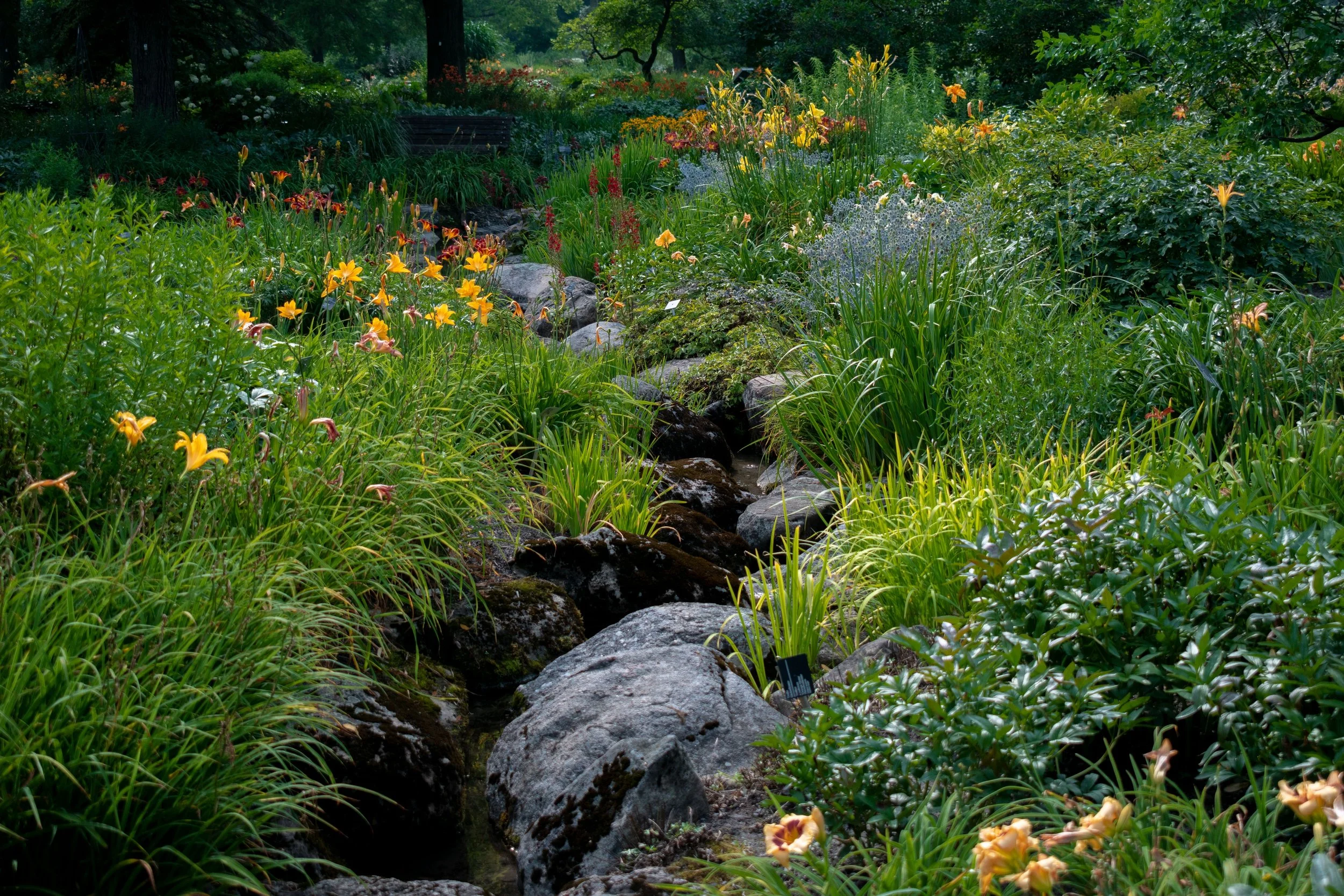
Bioswales and Rain Gardens
These strategically placed, vegetated depressions are designed to capture, slow, and filter stormwater runoff, allowing it to infiltrate the ground naturally rather than overwhelming drainage systems or flowing directly into the river. They become vibrant habitats for local wildlife while protecting your property.
Permeable Paving
For patios, walkways, and driveways, we often recommend permeable materials like gravel, pervious concrete, or interlocking pavers. These surfaces allow water to seep through, reducing runoff and replenishing groundwater, a crucial element in effective Waitsfield VT landscape design.
Elevated Plantings and Structures
Where appropriate, we design raised garden beds or elevate structures to protect them from minor flooding, ensuring their longevity and reducing maintenance.
The Right Plants for a Resilient Garden
Our "right plant, right place" philosophy is never more critical than in flood resilient design Vermont. We carefully select a palette of native and well-behaved ornamental Vermont plants that are not only beautiful but also possess qualities to withstand fluctuating water levels and stabilize soil. These plants are genetically coded to thrive in the Mad River Valley's unique conditions, contributing to a robust and self-sustaining ecosystem.
For instance, plants with deep, fibrous root systems are excellent for erosion control, while those tolerant of both wet and dry conditions can handle the unpredictable nature of riverine environments. Think of species like native willows, dogwoods, and certain sedges that can anchor soil and filter water, alongside ornamental grasses and perennials that add beauty and seasonal interest without compromising ecological function. For more on our plant selection philosophy, see our Stowe, Vermont Plant Guide and our Soil to Stem Landscape Design Philosophy.
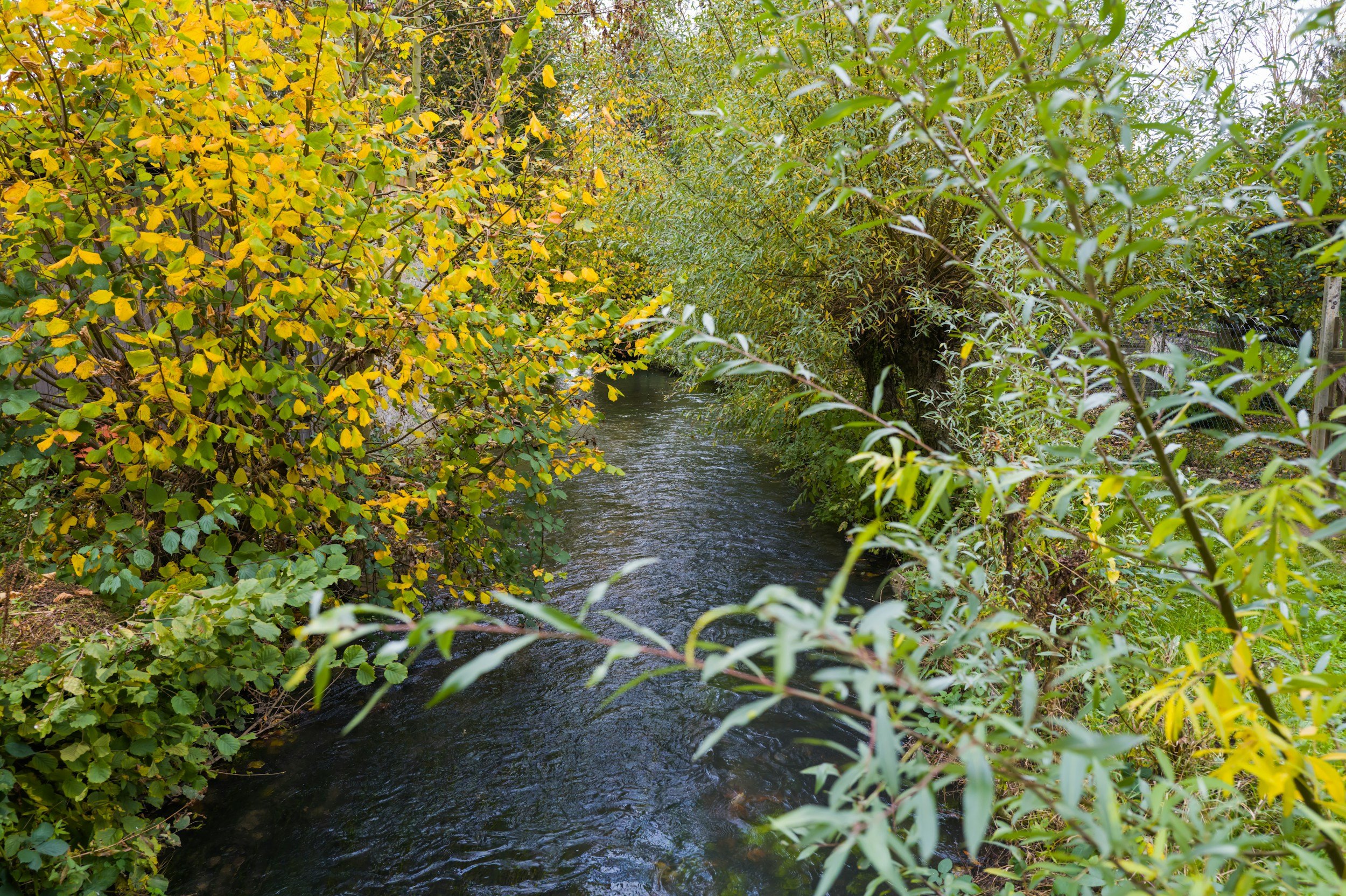
A Vision for Waitsfield: A Hypothetical Case Study
Imagine a property in Waitsfield, nestled close to the Mad River. Historically, its lower lawn area has experienced inundation during heavy rains. Our Mad River Valley landscape design approach would transform this vulnerability into an asset. We might propose:
A Series of Terraced Rain Gardens
These would be strategically placed to intercept runoff from the house and upper lawn, slowing water flow and allowing it to percolate. Planted with a mix of native wetland species and water-tolerant ornamentals, these gardens would become a vibrant, ever-changing feature.
Native Riparian Buffer
Along the riverbank, we would establish a dense planting of native trees, shrubs, and groundcovers. This buffer would not only stabilize the bank and filter pollutants but also provide critical habitat for local wildlife. Organizations like Friends of the Mad River champion these very practices across the watershed.
Permeable Patio
A beautiful bluestone patio laid on a permeable base would offer an inviting outdoor living space that also contributes to water management.
This integrated approach ensures that even during high water events, the landscape remains largely intact, recovers quickly, and continues to provide ecological benefits and aesthetics.
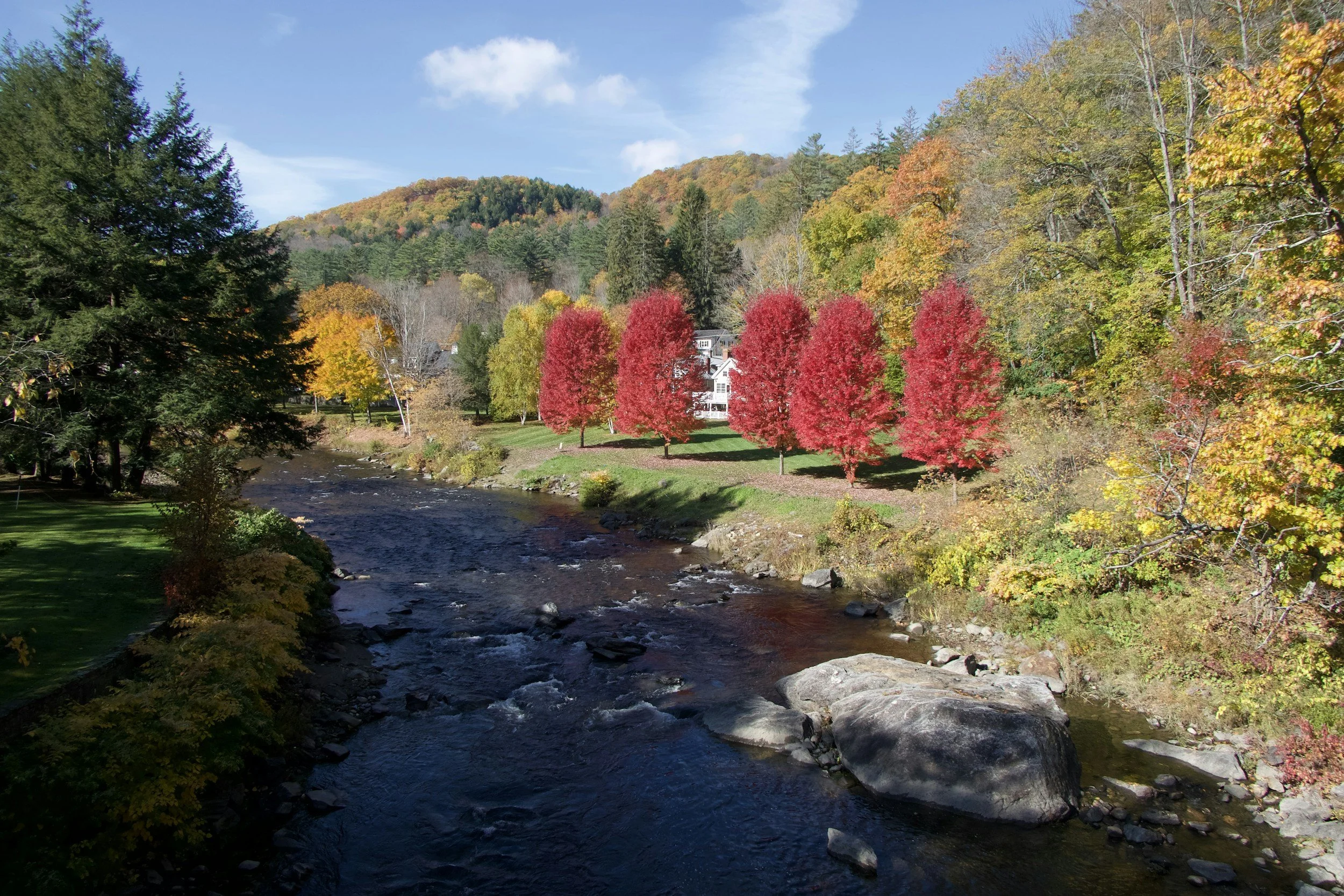
Investing in a Landscape That Endures
Creating a flood-resilient landscape in the Mad River Valley is more than just a practical necessity; it's an investment in the long-term beauty, functionality, and ecological health of your property. It's about embracing the natural rhythms of Vermont and designing a space that thrives in harmony with its environment.
As your dedicated landscape designer Waitsfield VT, Williston Horticulture & Design is here to help you transform challenges into opportunities, crafting a landscape that endures for generations. This philosophy is central to everything we outline in our Landscape Design in the Mad River Valley: A Guide to Sustainable Vermont Living.
Ready to explore how flood resilient design Vermont can protect and enhance your property? Contact Williston Horticulture & Design today for a consultation.