Spring Awakening: Why Waiting is the Best Thing You Can Do for Your Vermont Garden
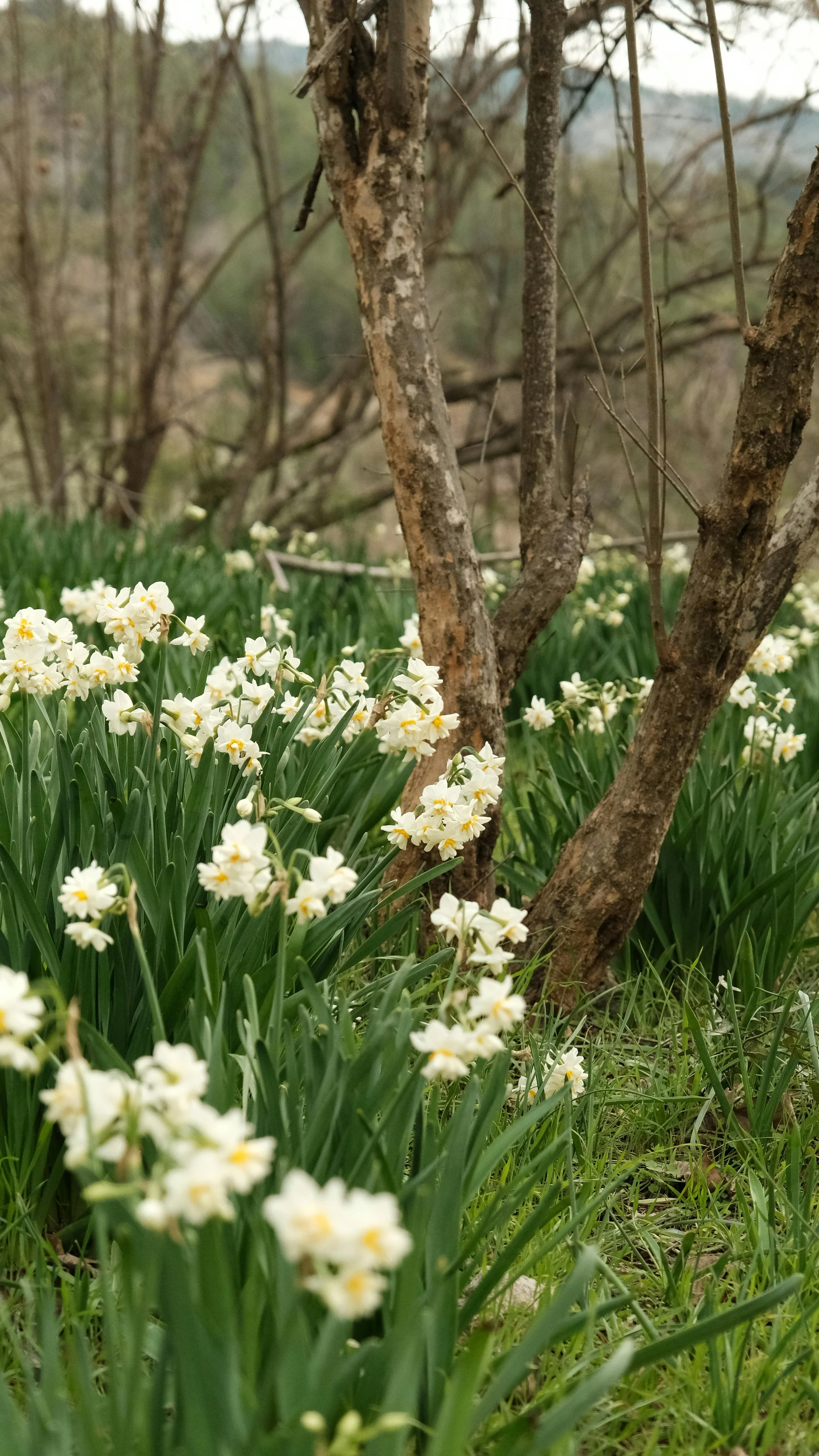
As the snow recedes and the days lengthen, there's an undeniable urge to rush into the garden, tidying up the remnants of winter. For many, spring cleaning extends to the landscape, with an immediate desire to clear away dead leaves, cut back perennials, and prepare beds for new growth. However, at Williston Horticulture & Design, we advocate for a philosophy of restraint, a patient observation of the landscape that yields profound benefits for your garden, its inhabitants, and the very soil beneath your feet. This approach is not just about aesthetics; it's a cornerstone of sustainable practices, which champions the health of Vermont’s native ecosystems.
The Hidden Life of Your Winter Garden: Protecting Overwintering Pollinators
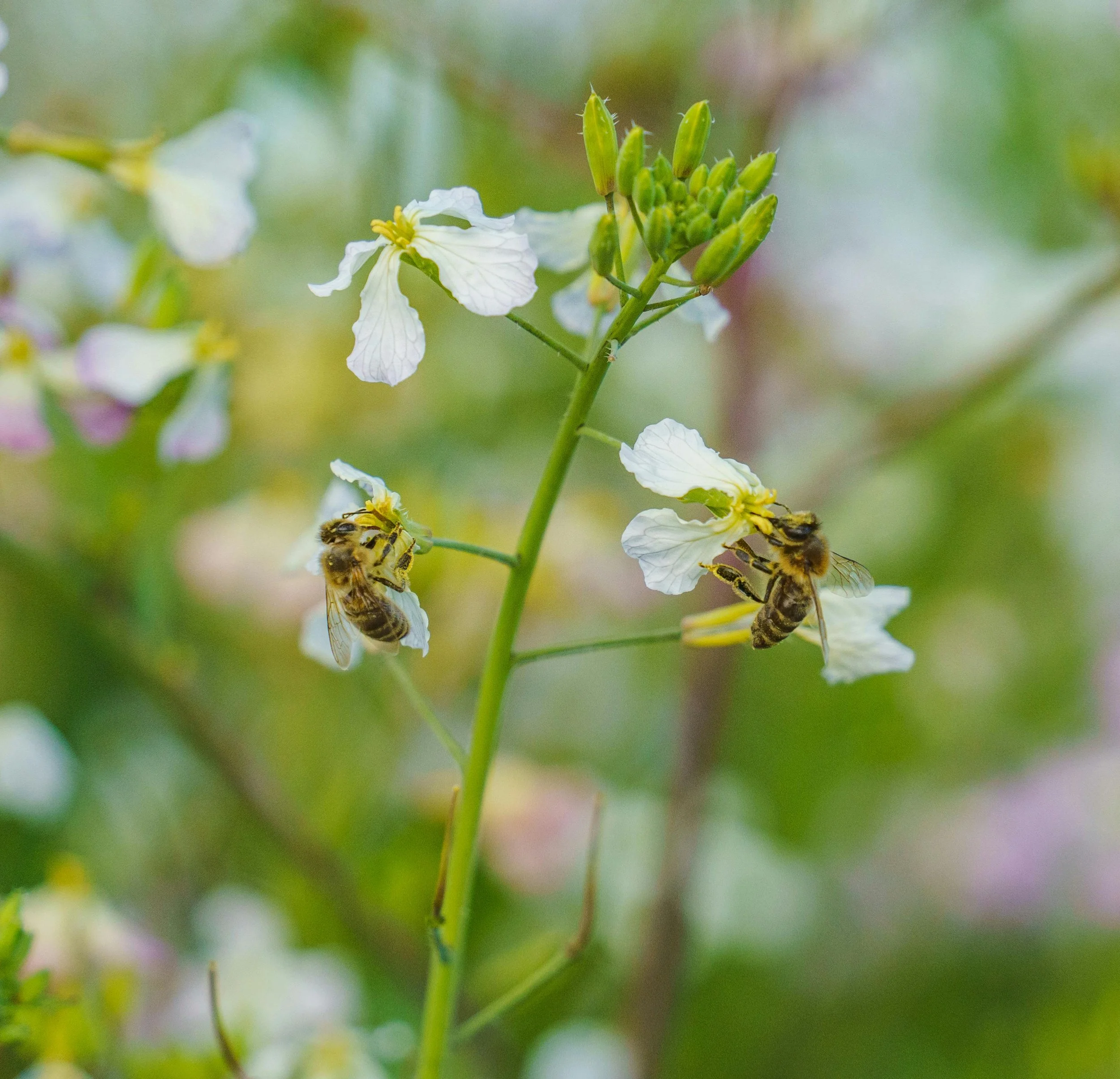
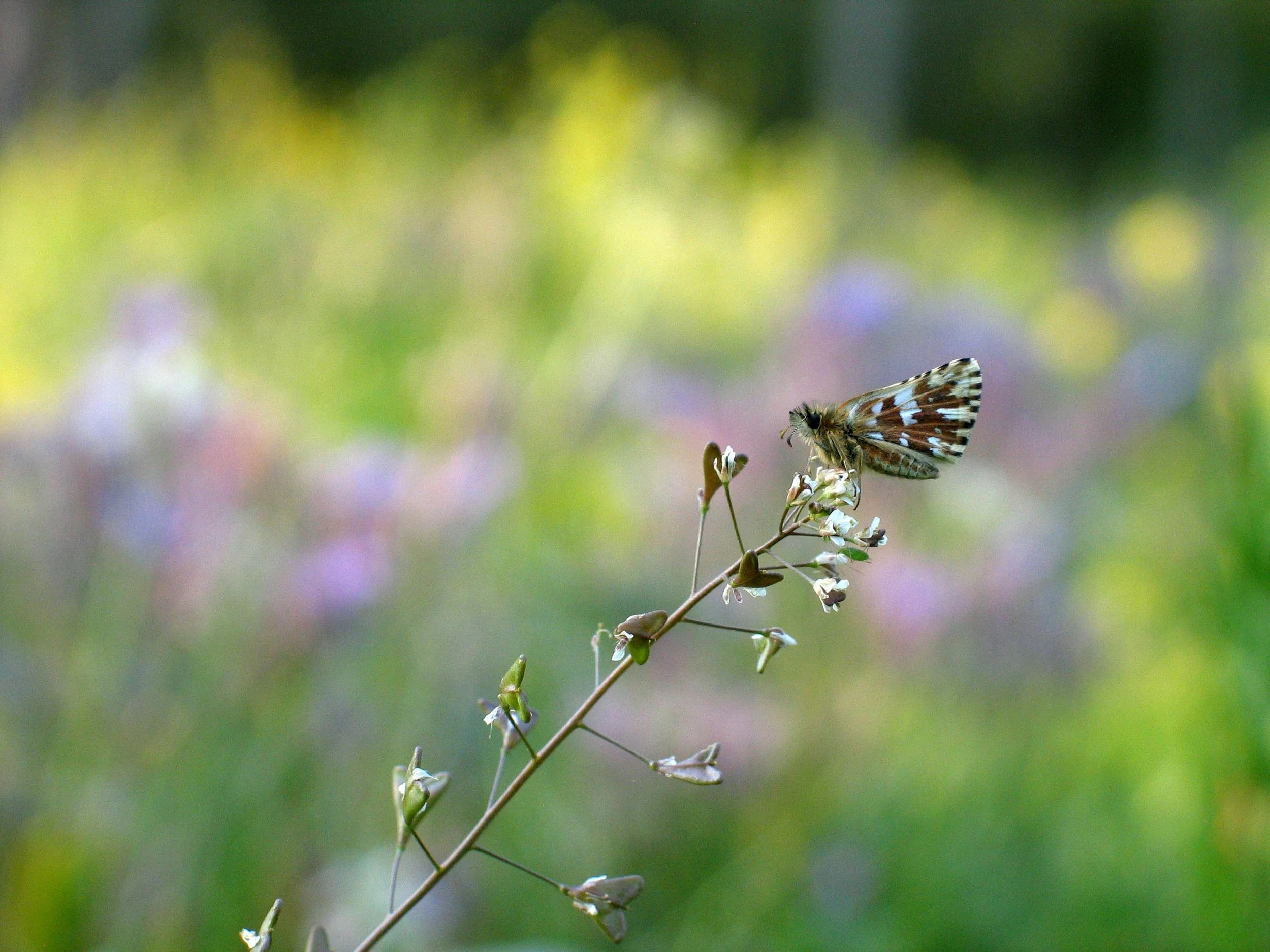
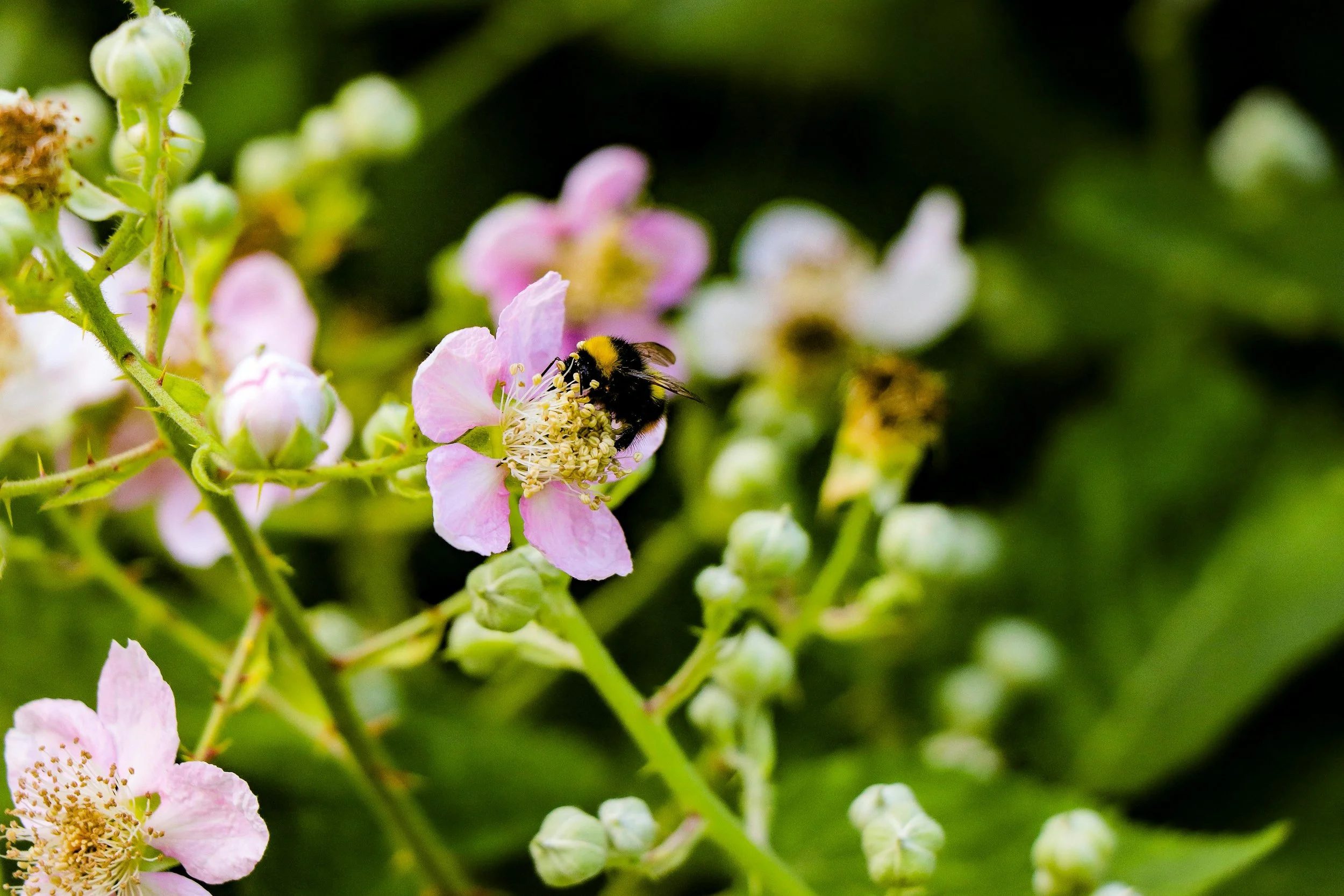
That seemingly messy winter garden is, in fact, a bustling sanctuary. The hollow stems of perennials, the leaf litter, and the undisturbed soil provide crucial overwintering habitats for a myriad of beneficial insects, including native bees, butterflies, and other pollinators. Many of these essential creatures spend the colder months tucked away in these natural shelters, emerging only when spring truly arrives. By resisting the urge to "tidy up" too early, you are directly contributing to the health and survival of these vital species. Waiting until temperatures are consistently above 50°F (typically late April or early May in much of Vermont) ensures that these overwintering insects have safely emerged before their homes are disturbed. This simple act of patience is a powerful form of ecological stewardship, fostering a thriving ecosystem right in your backyard.
The Soil to Stem Process: Nurturing the Unseen World Beneath Your Feet
Our Soil to Stem philosophy emphasizes the fundamental connection between healthy soil and vibrant plant life. This holistic approach recognizes that the true engine of a thriving garden lies in the complex, unseen world of soil microbes. When you allow leaf litter and spent plant material to remain on your garden beds through early spring, you are actively nurturing this critical ecosystem. Decomposing organic matter provides a continuous food source for soil microbes, fungi, and other microorganisms. These microscopic workers are essential for:
Nutrient Cycling: Breaking down organic material and making vital nutrients available to your plants Vermont.
Soil Structure Improvement: Creating a healthy, aerated soil structure that promotes root growth and water infiltration.
Disease Suppression: A diverse microbial community can help suppress plant diseases, reducing the need for interventions.
By embracing the Soil to Stem process, you are not just waiting; you are actively building a robust, self-sustaining foundation for your garden, directly benefiting the soil microbes that are vital for ecological health. This natural process reduces the need for external inputs like fertilizers, aligning perfectly with our commitment to sustainable and ecological design.
A Uniquely Vermont Approach: Designing with Nature's Rhythms
As a landscape designer in Vermont, I understand the unique rhythms of our state. The Vermont landscape teaches us patience and resilience. Our "right plant, right place" philosophy extends beyond just plant selection; it encompasses a deep respect for the natural processes that govern our environment. This means:
Observing Your Landscape: Taking the time to truly see how your garden awakens, where the first shoots emerge, and how light and water interact with your property.
Strategic Pruning: When it is time to prune, doing so thoughtfully, leaving some stems for continued pollinator habitat or for their structural beauty.
Embracing Native Plants: Prioritizing Vermont native species that are perfectly adapted to our climate and provide maximum ecological benefit, while thoughtfully integrating well-behaved ornamentals for year-round interest.
This mindful approach to spring garden care contrasts sharply with the typical "rush to tidy" mentality, which often inadvertently harms the very ecosystems we aim to cultivate. By waiting, you are not being lazy; you are being a responsible steward of your land.
Conclusion: Your Garden, a Thriving Ecosystem
This spring, consider embracing the philosophy of restraint. By simply waiting a few extra weeks before your major garden cleanup, you can make a profound difference for overwintering pollinators and the vital soil microbes that underpin your garden's health. It's a simple yet powerful act that aligns with the best practices of sustainable stewardship.
As a leading landscape designer in Vermont, Williston Horticulture & Design can help you cultivate a landscape that is not only beautiful but also a thriving, resilient ecosystem, perfectly attuned to the unique spirit of your region. Reach out to Williston Horticulture & Design to start the conversation, we’re happy to take a look at your property and share what’s possible.